
Pool Resurfacing Westlake, Texas
Our Resurfacing/Remodeling Process
We value your schedule and work quickly!
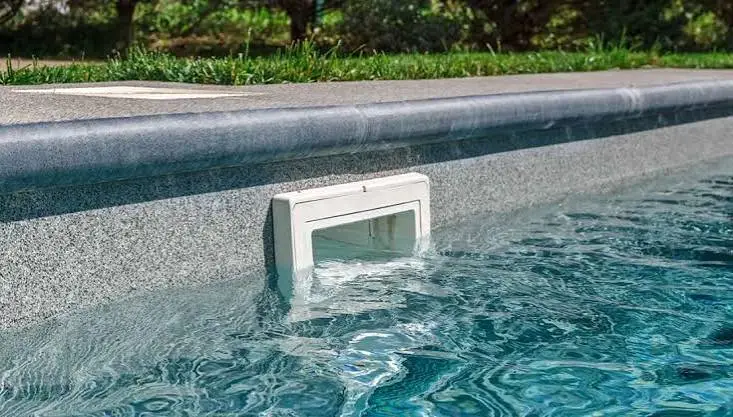
Reach Out For Your Free Quote
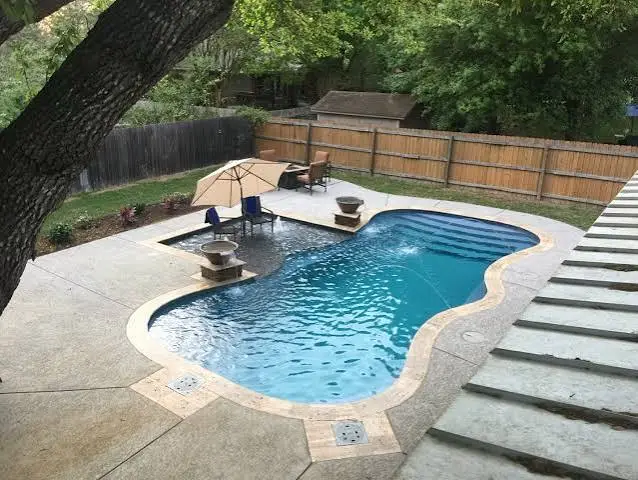
Professional Property Review
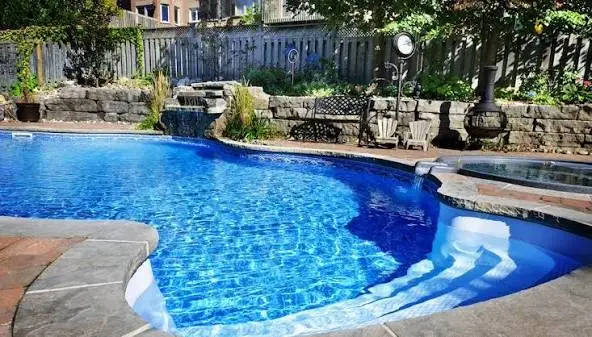
Honest Service Costs
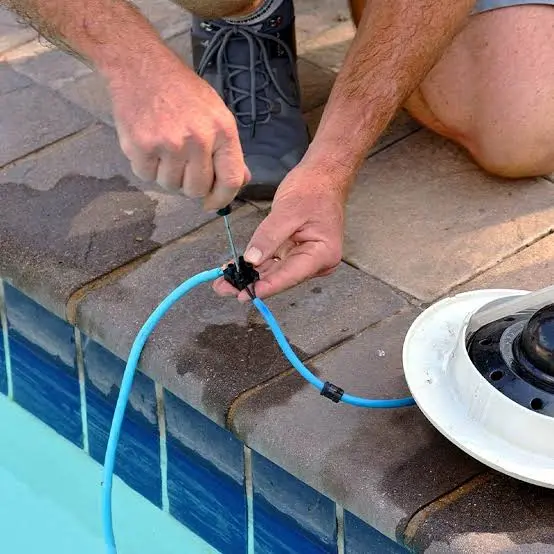
The Transformation Begins!
A pool surface breaks down over time. Plaster thins, cracks form, and the water starts to feel rough against skin instead of smooth. These issues rarely stay cosmetic — left long enough, they can expose the concrete shell underneath and turn a resurfacing job into a larger repair.
Pool Resurfacing Austin Tx repairs and replaces damaged pool surfaces for homeowners in Westlake, Texas. We’ve worked on pools across the Austin area since 2004, and that history shapes how we assess a pool and recommend a finish, rather than applying the same solution to every job.
Resurfacing restores a pool’s interior finish without a full rebuild. The process addresses cracking, staining, and surface roughness in one project. Most pools are back in use within one to two weeks, depending on size, finish type, and curing time.
If your pool surface shows any of the wear signs below, addressing it sooner is usually less costly than waiting. Request a free quote to get a project timeline and cost estimate specific to your pool.
Pool Resurfacing Near Me
PProfessional Pool Resurfacing Services in Westlake, Texas
Some homeowners need a single repair, like fixing a crack near a return fitting. Others are working through a full remodel that touches the finish, tile, lighting, and coping all at once. The services below cover both ends of that range.
Pool Remodeling
Pool remodeling covers larger renovation projects — changing the finish material, adding tile, reshaping steps or benches, or reconfiguring how the pool is used. This is also the point where it makes sense to handle several issues at once, since the pool is already drained and accessible. A remodel and a straight resurfacing job often start the same way, but the scope grows once a homeowner decides to update more than the surface.
Pool Resurfacing
The old surface comes off first. Then we inspect the concrete shell for cracks or hollow spots before anything new goes on. That inspection step is what separates a resurfacing job that lasts from one that doesn’t — a new finish applied over an unrepaired shell issue tends to show the same problem again within a shorter timeframe.
Pool Replastering
Plaster is the most common pool finish in Texas, largely because it costs less upfront than aggregate or tile. A standard plaster finish typically lasts 7 to 10 years. Pools that see less consistent water chemistry maintenance tend to land toward the shorter end of that range, since imbalanced water accelerates plaster wear.
All Tile Pools
Tile pools don’t fail the way plaster pools do. Instead of gradual surface wear, the problems show up as individual cracked or popped tiles, worn grout lines, or waterproofing behind the tile layer that fails without any visible warning until a leak appears. We handle regrouting, individual tile replacement, and waterproofing checks for fully tiled and partially tiled pools alike.
Pool Skimmer Installs
A cracked or undersized skimmer does more than reduce filtration. It can let water leak behind the pool shell, which is easy to miss until the damage has spread. We install new skimmers and replace baskets, lids, and housings during resurfacing or as a standalone repair.
Pool Lights
The niche holding a pool light needs a fresh seal whenever the surrounding surface gets replaced — an old gasket left in place is a common source of small leaks around the fixture. We check existing lights during resurfacing, replace worn gaskets, and can swap in LED fixtures for homeowners who want lower energy use.
Waterline Tile
Minerals concentrate at the waterline every time the water level shifts, which is why this narrow band of tile takes more staining and calcium buildup than anywhere else in the pool. Replacing cracked or dated waterline tile is one of the easier upgrades to bundle into a resurfacing project, since the area is already exposed.
Pool Coping
Coping caps the edge of the pool shell and protects the bond beam underneath from water intrusion. Cracked or shifting coping is often the first visible sign of movement in that beam. We check it closely before starting resurfacing work, rather than treating it as a cosmetic fix.
Pool Crack Repair
Not every crack means the same thing. Minor surface checking is mostly cosmetic. Structural cracks near steps, return fittings, or light niches — common stress points in a pool shell — are a different matter, and they get repaired before any new finish goes on top.
Pool Railings & Ladders
Anchor points for railings and ladders corrode over time, particularly in pools with higher chlorine levels. A loose railing is a safety issue before it’s anything else. We remove, inspect, and reinstall railings and ladders during resurfacing, replacing hardware that shows corrosion.
Pool Finish Options for Every Backyard
The finish material affects three things: appearance, feel underfoot, and how long it lasts before needing replacement. Cost generally rises with lifespan, so the right choice depends on how long you plan to stay in the home.
White Plaster
White plaster is the standard finish across Texas pools, with a smooth texture and the lowest upfront cost of the options here. Expect 7 to 10 years of service life with proper water maintenance.
Quartz Finish
Quartz finish blends plaster with ground quartz aggregate, adding surface durability and a slightly textured feel. It typically lasts 10 to 12 years and resists staining better than plain plaster — a real advantage in areas with harder water.
Pebble Finish
Pebble finish mixes natural pebble aggregate into the plaster base, creating a textured, slip-resistant surface. It’s one of the more durable options we install, often lasting 15 to 20 years.
Pebble Tec® & Pebble Sheen®
Pebble Tec® and Pebble Sheen® are branded pebble products. Pebble Tec® uses larger aggregate for a coarser texture. Pebble Sheen® uses finer aggregate for a smoother feel underfoot, which is a common request from homeowners with young children. Both go through the same resurfacing process and carry manufacturer durability standards.
Aggregate Pool Finishes
Aggregate finishes, the broader category covering pebble and quartz, mix stone or mineral material into plaster to increase strength and add texture. They cost more than plain plaster but need replacement far less often, which can make them the lower-cost option across a 15-to-20-year window.
All Tile Pools
All-tile finishes outlast every other option here, often exceeding 20 years with proper maintenance. The upfront cost is the highest of the group, but for homeowners planning to stay in a home long-term, that cost gets offset by not needing another resurfacing project for two decades.
Common Signs Your Pool Needs Resurfacing
Most homeowners notice small signs long before they call about resurfacing. Catching them early keeps the repair contained to the surface instead of the shell underneath.
Surface Cracking
Water reaching the shell through a crack tends to make that crack wider over time rather than stay the same size. Small cracks are a normal part of plaster aging, but they’re worth addressing at the next resurfacing rather than leaving to spread on their own.
Peeling Plaster
Peeling — plaster separating from the shell in larger sections — usually traces back to poor bonding during the original application or long-term water chemistry imbalance. Once bare concrete is exposed, the area tends to grow if left alone.
Rough Surface
This is the complaint we hear most often from Westlake homeowners. A pool surface that feels rough or scratchy has typically lost its top layer of finish, exposing the aggregate or base material below.
Plaster Flaking
Flaking is smaller in scale than peeling — small pieces breaking away rather than large sections separating at once. It’s often an early warning that the plaster is nearing the end of its service life, even when the rest of the surface still looks fine.
Surface Wear
Thinning plaster, faded color, and a chalky texture develop slowly, over years, as pool chemicals and UV exposure break the finish down bit by bit. There’s rarely one moment where wear becomes obvious — it’s usually a gradual realization.
Stains
Metals in the water, algae growth, or mineral deposits all cause staining. An acid wash lifts some of it. Stains that keep returning after cleaning usually mean the plaster itself has become porous, which points to a finish problem rather than a cleaning problem.
Water Loss
Water loss beyond what evaporation explains often points to a crack in the shell or coping. We recommend a leak detection check before assuming resurfacing alone will solve it, since the actual source needs to be confirmed first.
Concrete Exposure
Once plaster wears through completely, the underlying concrete or gunite becomes visible. At this stage, resurfacing isn’t optional — bare concrete offers no protection against water intrusion, and the cost of waiting tends to climb from here.
Surface Discoloration
Blotchy patches or an overall gray, dull look don’t always mean resurfacing is needed right away on their own. Paired with roughness or cracking, though, discoloration usually confirms the finish has reached the end of its life.
About Pool Resurfacing Austin Tx
Pool Resurfacing Austin Tx has served homeowners in the Austin area, including Westlake, Texas, since 2004. Many of the pools we work on near Westlake Boulevard, Crystal Creek Drive, and Southwest Parkway were built in the early-to-mid 2000s, based on what we’ve seen across our project history in the area — which puts a large share of them at or past the point of needing their first or second resurfacing.
Westlake’s Hill Country terrain also plays a role. Homes here are often built on sloped lots with limestone-heavy soil, and pool decks in these settings can shift slightly over the years, which shows up as coping cracks even when the plaster itself is still in decent shape. We check for that connection during every inspection rather than looking at the surface in isolation.
We’ve installed and repaired nearly every finish type covered on this page, from basic white plaster to full Pebble Tec® applications. That range gives us a practical sense of which finishes hold up best against Central Texas conditions — hard water, intense summer sun, and the periodic freeze-thaw cycles that, while milder here than in colder states, still stress a pool shell over a decade or more.
Why Homeowners in Westlake Choose Pool Resurfacing Austin Tx
Most pool contractors describe themselves as licensed and insured, which doesn’t tell a homeowner much on its own. Here’s what that looks like in practice on our projects.
Experienced pool technicians
Our team has worked in pool resurfacing since 2004, across plaster, quartz, pebble, and full tile finishes. A technician who mostly installs plaster doesn’t necessarily bring the same eye to a Pebble Tec® application, where surface consistency gets judged differently.
Licensed, Bonded, Insured
We can provide documentation of current licensing and insurance before work begins, not just on request afterward.
Detailed written estimates
Homeowners get a written breakdown of finish material, labor, and any structural repairs found during inspection, before work begins. That avoids a low initial number turning into a higher bill once the pool is drained.
Recommendations based on water conditions
Several Westlake properties draw pool fill water from private wells rather than municipal supply, which can carry higher mineral content than city water. We factor that into which finish we recommend, since a well-fed pool holds up differently with quartz than with plain white plaster.
Clean job site
Demolition creates dust and debris. We keep the site contained through the project and clear materials once work is done.
Timely completion with daily updates
We provide a project timeline before work starts and give updates at each stage — draining, demolition, shell repair, finish application, and curing.
Frequently Asked Questions About Pool Resurfacing in Westlake, Texas
How long does pool resurfacing take?
Most projects take 5 to 10 days from start to finish, covering preparation, application, and initial curing. Full curing and water balancing can extend the time before the pool is ready for regular swimming. Larger pools and aggregate or tile finishes tend to run toward the longer end.
How much does pool resurfacing cost in Westlake, Texas?
Cost depends on pool size, current surface condition, and finish material. Plaster costs less upfront than quartz, pebble, or tile. Structural repairs found during inspection add to the total, which is why we provide a written estimate after an on-site visit rather than a number over the phone.
How often should a pool be resurfaced?
Plaster typically needs resurfacing every 7 to 10 years. Quartz runs closer to 10 to 12 years. Pebble and tile finishes can last 15 to 20 years or more. Consistent water chemistry maintenance is the biggest factor in where a given pool lands within that range.
What is the difference between pool resurfacing and pool replastering?
Replastering refers specifically to applying a new plaster finish. Resurfacing is the broader term, covering plaster along with quartz, pebble, or tile finishes. Every replastering job is a resurfacing job, but not every resurfacing job involves plaster.
Can pool resurfacing fix cracks and leaks?
Resurfacing addresses surface-level cracks as part of replacing the finish. Structural cracks or leaks in the concrete shell need repair first — sealing one over without repairing it can lead to the same issue reappearing later. We check for both during the initial inspection.
Do you offer free pool inspections or quotes?
Yes. We provide a free inspection and written quote for resurfacing projects in Westlake, Texas, including an assessment of surface condition and a finish recommendation based on the pool’s age, current condition, and water history.