
Professional Pool Resurfacing Services in Bastrop, Texas
Pool Resurfacing Bastrop, Texas
Our Resurfacing/Remodeling Process
We value your schedule and work quickly!
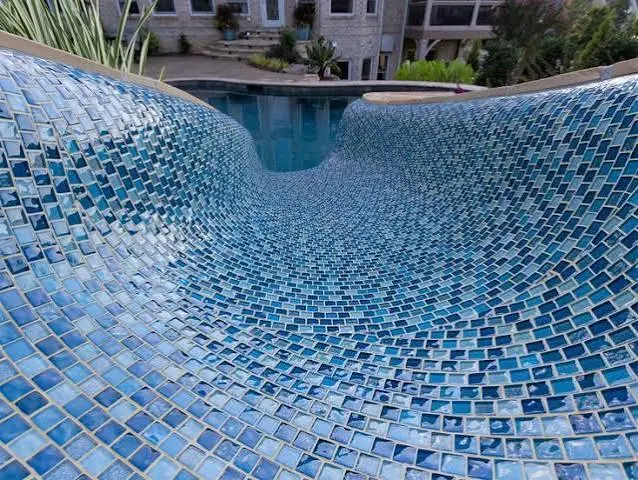
Reach Out For Your Free Quote
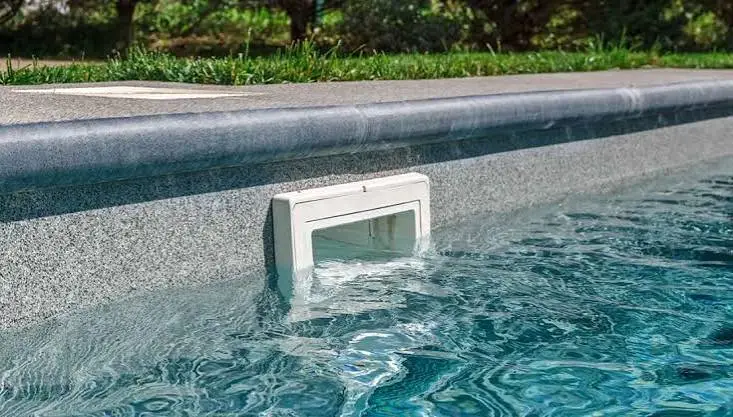
Professional Property Review
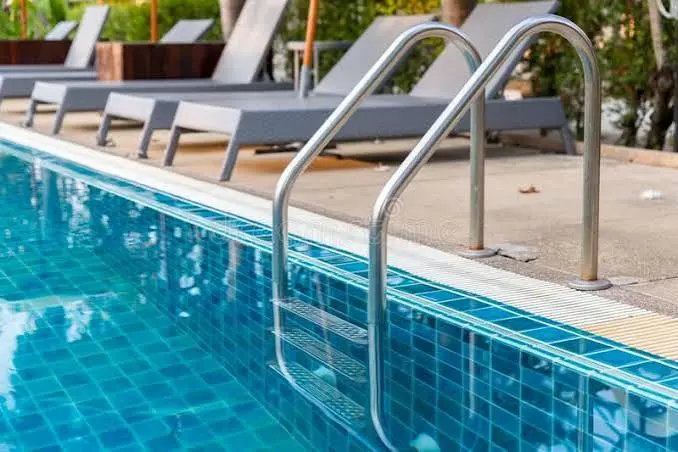
Honest Service Costs
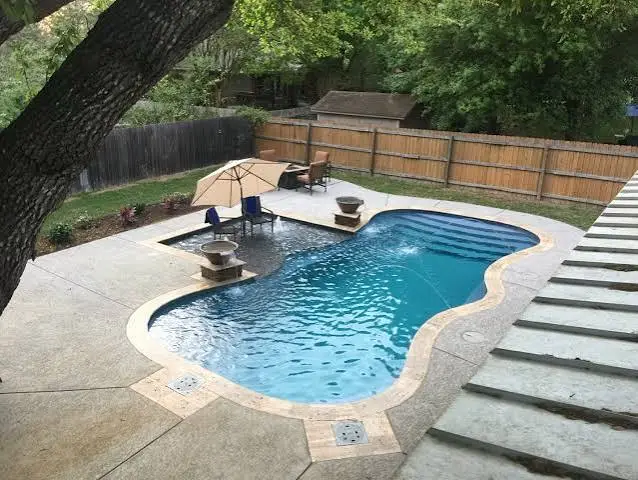
The Transformation Begins!
Pool Resurfacing Near Me
Our Pool Resurfacing & Remodeling Services in Bastrop, Texas
No two pool projects in Bastrop look the same. A pool near Crystal Creek Drive dealing with hard water staining needs a different plan than one along Bastrop Boulevard with cracked coping from years of soil movement. Below is what each service covers, and when it typically applies to a Bastrop pool.
Pool Resurfacing
This is the service most Bastrop homeowners start with. It replaces the interior finish layer, addressing rough texture, fading, and minor surface cracking without touching the pool’s shape. Plaster surfaces here tend to show wear between 7 and 12 years, a bit sooner than cooler climates, given the extended swim season and sun exposure. If your pool still holds its shape but looks and feels tired, resurfacing is usually the right first call.
Pool Remodeling
Sometimes a pool needs more than a new surface. Reshaped steps, a tanning ledge, an updated shell design, or several repairs bundled into one project — that’s pool remodeling Bastrop, Texas homeowners typically request once a pool passes the 15-year mark. Rather than scheduling separate repairs over several summers, a remodel handles the surface, fixtures, and finish together, in one project window.
Pool Replastering
Replastering is the standard fix for a plain white or standard-finish pool that has gone chalky, thin, or flaky. The process: drain, acid wash, apply new plaster, and cure. Most Bastrop, Texas pool plastering jobs take one to two days of active labor. We recommend replastering once steps and the shallow end — the highest-traffic areas — start showing bare patches through the finish.
All Tile Pools
Full tile interiors are less common but need a different repair approach entirely. Individual tile replacement and grout repair keep an all-tile pool looking consistent, and matching new tile to a faded original line takes a trained eye. The upside for owners of all tile pools: service is needed far less often than plaster.
Pool Skimmer Installs
A skimmer that’s cracked, undersized, or poorly placed makes the whole filtration system work harder than it should. Since the skimmer housing sits inside the surface layer, installs and upgrades happen naturally during resurfacing. Some Bastrop homeowners use this window to move from a single skimmer to a two-skimmer setup for better debris control during pollen season.
Pool Lights
Cracked or leaking light housings are an electrical issue, not just a cosmetic one. Replacing pool lights during resurfacing means we’re not cutting into a finished surface later to fix a problem that could’ve been handled in the same trip. Many homeowners use this step to convert to LED fixtures, which draw less power than older incandescent pool lights.
Waterline Tile
Where water meets air is where mineral buildup collects, especially with the moderately hard water common in this area. Waterline tile protects the plaster edge from that buildup and gives the pool a clean visual line. Replacing it during resurfacing adds minimal cost to the project and saves a separate service call down the road.
Pool Coping
Pool coping caps the edge where deck meets water, and it’s also where swimmers grip when getting out. Cracked or shifting coping in Bastrop is often tied to that same soil movement mentioned earlier — the ground beneath the deck moves, and coping is usually the first thing to show it. We frequently pair coping repair with resurfacing, since both require draining the pool and working the same edge line.
Pool Crack Repair
Not all cracks are equal. Surface cracks live in the plaster layer and get addressed during resurfacing. Structural cracks reach into the concrete shell and need their own inspection — soil movement, water pressure, or age can all be the cause.
Before any surface work starts, we determine which type we’re dealing with. Skipping that step is how homeowners end up paying for the same repair twice.
Pool Railings & Ladders
Corroded anchors and loose railings are a safety issue before they’re anything else, and several Texas municipalities require functioning railings for code compliance. Anchor points are set into the deck and coping, so railing and ladder work gets scheduled alongside resurfacing whenever possible, rather than as a separate visit.
Pool Finish Options for Every Backyard
The finish is what your family actually touches every day. It affects how the pool feels underfoot, how much upkeep it demands, and how long you get before this conversation happens again. The right choice means a smoother surface on bare feet and a backyard that’s ready before summer, not scrambling to catch up mid-season.
White Plaster
The standard option, and still the lowest upfront cost. Smooth, classic look, typically 7 to 10 years before resurfacing is needed again. It’s also the most sensitive to water chemistry — staining and etching show up faster here than on other finishes if the water drifts out of balance.
Quartz Finish
Plaster blended with ground quartz aggregate. Harder surface, more color options, and better stain resistance than plain white plaster. Expect 10 to 12 years of service life, with a slightly textured feel underfoot.
Pebble Finish
Natural pebble aggregate exposed at the surface, giving a textured, multi-tone look. More durable than plaster or quartz — often 12 to 20 years depending on the pebble grade. The trade-off is texture; it’s rougher on bare feet than a smooth plaster finish.
Pebble Tec® & Pebble Sheen®
Two branded pebble finishes with consistent color blending. Pebble Sheen® uses finer aggregate for a smoother feel. Pebble Tec® uses coarser pebble for maximum durability. Both sit at or above standard pebble finishes for service life.
Aggregate Pool Finishes
A broader category covering pebble, quartz, and polished aggregate blends. Generally outperforms plain plaster on durability and stain resistance, at a higher material cost. Makes sense for homeowners who’d rather pay more now than resurface again in eight years.
All Tile Pools
The longest potential service life of any finish option, since tile itself doesn’t wear the way plaster does. Grout condition becomes the main upkeep item over time. Highest installation cost of the group, but the least frequent full resurfacing.
Common Signs Your Pool Needs Resurfacing
Most Bastrop pools show a combination of these signs before resurfacing becomes necessary, not just one. Catching them early keeps the damage contained to the surface layer, before it reaches the concrete shell underneath.
Surface Cracking
Small cracks are a normal part of a plaster surface aging and get handled during resurfacing. Ignored long enough, they let water behind the finish layer and speed up further damage.
Peeling Plaster
Plaster separating from the shell, often from poor original bonding or long-term water imbalance. Peeling sections should be resurfaced before they spread.
Rough Surface Texture
A surface that used to feel smooth and now feels gritty has already lost its top layer. This usually shows up before visible cracking does.
Plaster Flaking
A more advanced version of peeling — small sections detach and float in the water. This means the plaster has reached the end of its usable life.
Surface Wear
Thinning plaster in high-traffic zones: steps, benches, the shallow end. Thin spots expose the concrete shell sooner than areas with even plaster depth.
Stains and Discoloration
Metals in the water, algae, or mineral buildup can all cause staining. Some lifts with surface cleaning. Discoloration that runs through the plaster itself usually needs resurfacing to fully clear.
Water Loss
Losing more water than normal evaporation accounts for often points to a crack in the surface or shell. Tracking loss over a set number of days helps confirm whether it’s a leak.
Concrete Exposure
When plaster wears through completely and bare concrete shows, that’s the most advanced stage of surface failure. It should be resurfaced promptly — exposed concrete reacts poorly to pool chemicals over time.
Catching any of these early usually means a smaller repair bill and a shorter project. Waiting tends to turn a surface fix into a structural one.
About Pool Resurfacing Austin Tx
Pool Resurfacing Austin Tx works on pool surfaces for homeowners across Bastrop, Texas and the surrounding Austin region — resurfacing, replastering, remodeling, and the systems tied to them: coping, tile, skimmers, lighting, and railings.
We built our process around what actually happens to pools in this region: expansive clay soil that shifts with the seasons, water that runs moderately hard, and a swim season that runs longer than most of the country. That’s different work than resurfacing a pool in a cooler, drier climate, and we plan for it from the first inspection.
Our crews have worked on pools throughout Bastrop, from older plaster pools near downtown to newer builds in the area’s growing neighborhoods. One of the more common issues we see locally is coping separation tied to seasonal soil movement — a pattern that shows up often enough here that we check for it on every inspection, not just when a homeowner mentions it.
Our technicians follow the technical standards set by the Pool and Hot Tub Alliance (PHTA) and apply the same surface preparation discipline on every job, whether it’s a single coping repair or a full remodel. Every project starts with an inspection of the existing surface and shell, so homeowners are working from an accurate picture, not a guess, before deciding on a plan.
Why Homeowners in Bastrop Choose Pool Resurfacing Austin Tx
Licensed, Bonded & Insured
Every project runs under proper licensing, bonding, and insurance. That’s not paperwork for its own sake — it’s what protects you if something goes wrong mid-project, and it’s the baseline PHTA standards expect from a pool contractor.
Experienced Pool Technicians
Our technicians work specifically on pool surfaces and the systems around them. That focus means a tested, repeatable process on every job, not a general contracting crew learning pool work as they go.
Warranty on Workmanship
Resurfacing work is backed by a workmanship warranty covering issues tied to the application itself. If something related to our work shows up after the project’s done, you have a direct point of contact — not a runaround.
Clean Job Site
Draining a pool and applying a new finish involves equipment, materials, and displaced water. We keep the job site orderly through the project and leave the surrounding area the way we found it once the work is done.
Respectful Team
Our crews work on and around your property, often while your family is home. We keep clear boundaries, treat the property with care, and communicate directly with you at each stage, not just at drop-off and pickup.
Timely Completion & Clear Communication
Curing times depend on finish type and weather, and we’re upfront about that before work starts. If a timeline shifts for any reason, you hear about it from us before you have to ask.
Since 2004, we’ve resurfaced and renovated more than 600 pools across Austin and the surrounding Central Texas communities. That experience means we’ve worked on everything from standard residential pools to custom hillside and high-end designs, giving homeowners confidence that the job will be done correctly the first time.
Most projects that start as a resurfacing inspection also turn up related work worth addressing at the same time — coping that’s due for replacement, a skimmer nearing the end of its life, or waterline tile that’s holding onto stains. Handling pool coping, pool crack repair, and pool remodeling together, when it makes sense, saves a second draining and a second visit.
Frequently Asked Questions About Pool Resurfacing in Bastrop, Texas
How long does pool resurfacing take?
Most projects run 3 to 7 days from draining to the start of curing, depending on finish type and pool size. Full curing before swimming adds another 7 to 14 days on top of that.
How do I know if I need resurfacing or replastering?
Resurfacing is the broader term and can include replastering, aggregate finishes, or tile work. Replastering means specifically applying new plaster. An inspection tells us which surface type your pool currently has and which method fits.
What is the difference between pool remodeling and pool resurfacing?
Resurfacing replaces the interior finish only. Remodeling bundles resurfacing with structural or design changes — reshaped steps, updated tile, upgraded equipment — into one combined project.
How often should a pool be resurfaced?
Plaster typically needs resurfacing every 7 to 15 years, often on the shorter end here given Bastrop’s extended swim season. Aggregate and pebble finishes usually stretch to 12 to 20 years before needing the same treatment.
Can pool coping be replaced without resurfacing the whole pool?
Yes, coping can be repaired or replaced on its own. Many homeowners combine it with resurfacing anyway, since both require draining the pool, which cuts down total project time.
Does resurfacing fix cracks and structural issues?
It fixes surface-level cracks in the plaster. Structural cracks in the concrete shell need their own inspection and repair first, before resurfacing can move forward safely.
What pool finish lasts the longest?
Full tile interiors and coarser pebble finishes like Pebble Tec® generally last the longest, often past 15 years with regular maintenance.
Do you serve neighborhoods across Bastrop, Texas?
Yes, including areas near Bastrop Boulevard and Crystal Creek Drive. If you’re unsure whether your neighborhood is covered, ask when you request your free inspection.