
Pool Resurfacing Pflugerville, Texas
Our Resurfacing/Remodeling Process
We value your schedule and work quickly!
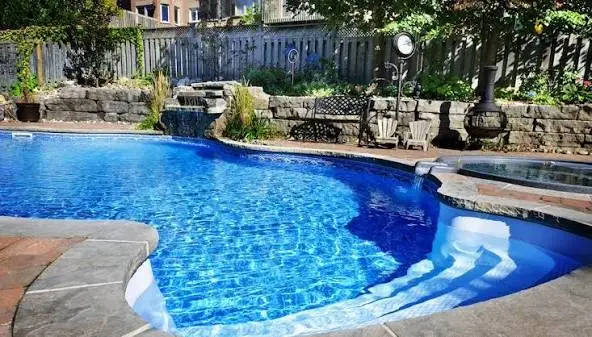
Reach Out For Your Free Quote
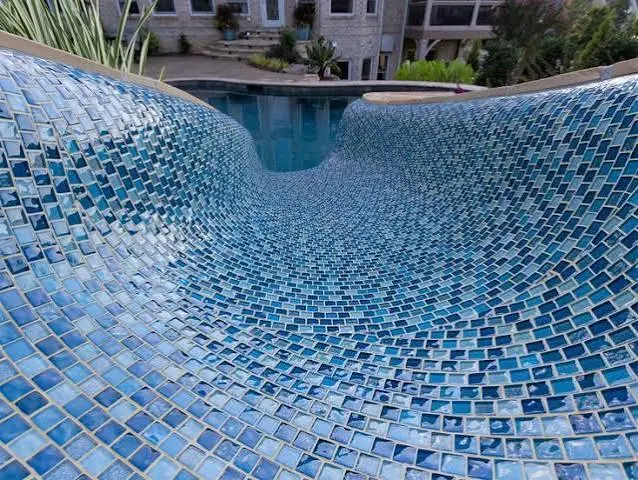
Professional Property Review
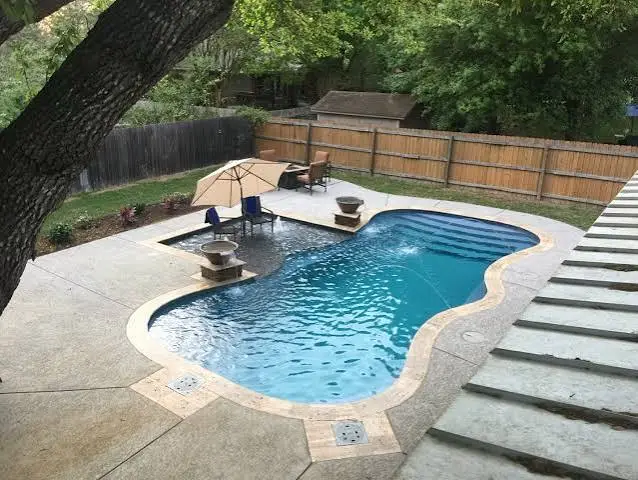
Honest Service Costs
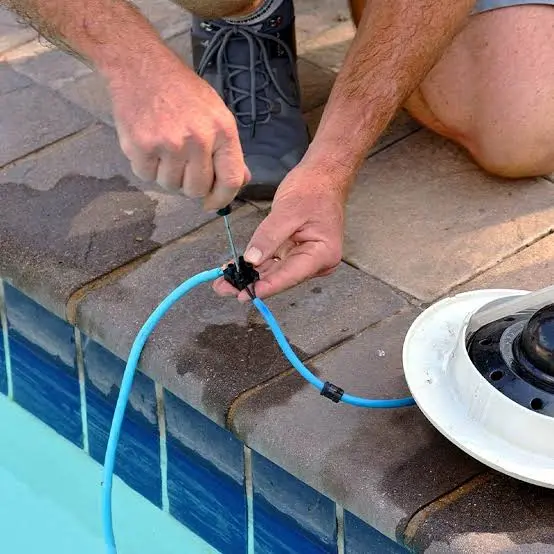
The Transformation Begins!
Pool plaster in Central Texas tends to wear faster than plaster in cooler, wetter climates. Pflugerville summers push water temperatures higher for longer stretches. That heat speeds up the chemical reactions happening inside the finish. Local water also runs on the harder side, meaning it carries more dissolved calcium than soft water regions. That calcium doesn’t stay suspended. It settles into the plaster’s pores over time. The result is rough patches, scaling, and eventually a finish that needs replacing.
Many pools around Pflugerville were built in the 2000s and early 2010s, which puts a large share of them near or past the typical plaster lifespan today. If your pool has visible cracks, a chalky texture, or stains that won’t lift with brushing, the finish has likely reached the end of its usable life.
Pool Resurfacing Austin Tx has worked on pools in Pflugerville, Texas since 2004. Over that time, we’ve seen how local water hardness and summer heat affect plaster, pebble, and tile finishes differently. That experience shapes our recommendations.
Most plaster finishes last 7 to 15 years before resurfacing becomes necessary. In areas with harder water, that window often sits closer to the lower end unless calcium and pH levels are actively managed. Waiting past that point raises the risk of exposing the concrete shell underneath. At that stage, a surface job can turn into a structural one.
This page covers our services, finish options, warning signs, and what separates a properly done resurfacing job from a rushed one.
Pool Resurfacing Near Me
Professional Pool Resurfacing Services in Pflugerville, Texas
Every project starts with an inspection. We check the plaster for hollow spots. We tap-test suspect areas. We look at the bond beam before recommending a scope of work. Below is what we handle once that assessment is complete.
Pool Remodeling
A remodel addresses more than one issue at once. This usually means plaster, tile, and coping together, sometimes with equipment upgrades included. We see this most often in older pools where several systems are aging in parallel. Bundling the work avoids draining and refilling the pool more than once. That matters, since water costs add up over a multi-week project.
Pool Resurfacing
Resurfacing removes the top layer of the pool’s interior. New material goes on in its place. Before any new finish is applied, we address what’s underneath. That’s the part most homeowners never see: chipping out delaminated plaster, patching hollow spots, confirming the shell is sound. Skipping that step is one of the most common reasons a new finish fails early.
Pool Replastering
Replastering applies a new cement-based coat to the shell. It’s the right call when the existing plaster shows flaking or staining, but the shell itself is structurally sound. We drain the pool. We prep the surface, either by acid washing or chipping depending on condition. Then we apply new plaster in a single continuous pour. Plaster applied in stages, or without proper curing conditions, can develop seams and uneven color later. We plan around weather for this reason, particularly humidity and direct sun exposure during the pour.
All Tile Pools
Full tile interiors don’t degrade the way plaster does. But grout lines and tile adhesive do fail over time, particularly where tile meets the waterline or steps. We repair and replace all-tile interiors, including re-grouting and re-sealing sections where water has worked behind the tile.
Pool Skimmer Installs
A skimmer positioned too high or too low pulls in less surface debris. That forces the filter to work harder than it should. We install and reposition skimmers during resurfacing, since that’s when access to the shell is easiest and least disruptive.
Pool Lights
Light fixtures get installed or replaced while the pool is drained for resurfacing. This avoids a separate service call later. We run new wiring where needed. We set the niche flush with the new finish so it doesn’t create a weak point in the surface.
Waterline Tile
Waterline tile isn’t just decorative. It protects the plaster edge from the calcium and oil buildup that concentrates at the water’s surface. When waterline tile is missing or damaged, that band of plaster is often the first place staining shows up. We match new tile to the chosen finish and set it flush against the coping.
Pool Coping
Coping shields the bond beam, the structural ring at the top of the pool shell. When coping cracks or shifts, water can work its way behind it and into the shell. That’s a slower problem than plaster wear, but often a more serious one. We check coping for movement, not just visible cracking. A coping stone can look intact while already loose underneath.
Pool Crack Repair
Not every crack means the same thing. Fine, spiderweb-style cracks in plaster are usually cosmetic, tied to normal curing shrinkage. Cracks that run in a single line, widen over time, or follow the pool’s structural seams point to shell movement. Those need a different approach, sometimes including reinforcement before resurfacing. We assess crack pattern and depth first. Resurfacing over an unresolved structural issue means it resurfaces again within a year.
Pool Railings & Ladders
Railings and ladders take direct wear from foot traffic, sun, and pool chemicals. We install and replace these to match new coping and deck material. We also check anchor points for corrosion, a common failure point in older installations.
Pool Finish Options for Every Backyard
The right finish depends on how the pool is used, local water hardness, and how long you want to go before resurfacing again. We walk through these trade-offs during the inspection instead of defaulting to the cheapest option.
White Plaster
White plaster is the most affordable and most common finish. It’s smooth underfoot. It’s also the most porous option, which means it absorbs calcium and stains faster in hard water conditions like those common around Pflugerville. Expect a 7 to 10 year lifespan with consistent water balance. Expect shorter if calcium levels run high without regular monitoring.
Quartz Finish
Quartz finish mixes ground quartz into the plaster. This tightens the surface and reduces porosity compared to standard white plaster. It resists staining better and typically holds up 10 to 12 years. It costs more upfront. It also means fewer trips back to resurfacing.
Pebble Finish
Pebble finish exposes natural stone aggregate at the surface instead of a smooth cement layer. That texture holds up well against the repeated heating and cooling Central Texas pools go through each year. Pebble finishes typically last 12 to 15 years.
Pebble Tec® & Pebble Sheen®
These are branded pebble finishes with different surface textures. Pebble Tec® uses larger pebbles for a coarser, traditional finish. Pebble Sheen® uses finer pebbles for a smoother feel underfoot, with similar durability. Both resist the calcium scaling that shortens plaster life in hard water conditions.
Aggregate Pool Finishes
Aggregate finishes blend cement with stone or glass material beyond standard pebble. They cost more than plaster. They also hold up better against cracking and staining, which suits pools that see heavy year-round use.
All Tile Pools
A full tile interior costs the most upfront but avoids replastering entirely. Grout maintenance is still required. The surface material itself doesn’t wear down the way plaster does. This option suits homeowners planning to keep a finish in place for 20 years or more.
Common Signs Your Pool Needs Resurfacing
Some of these signs overlap. Each one tells you something slightly different about what’s happening beneath the surface.
Surface Cracking
Hairline cracks are common in plaster and usually cosmetic. Cracks that widen, run in a straight line, or appear near corners and steps often point to shell movement rather than normal curing shrinkage. These should be inspected before resurfacing.
Peeling Plaster
Peeling happens when plaster doesn’t bond properly to the shell during application, or when water chemistry stays imbalanced for extended periods. Once peeling starts, it spreads. Patching it rarely holds long-term.
Rough Surface
A sandpaper-like texture usually means the cement binder in the plaster has worn away, leaving harder aggregate exposed underneath. This isn’t just cosmetic. It can scrape skin and swimwear. It also signals the finish is near the end of its usable life.
Plaster Flaking
Flaking is a more advanced stage of peeling. Small chips actively break loose from the shell. If you’re finding plaster chips in the pool filter or on the steps, resurfacing is likely due soon.
Surface Wear
General wear shows up as fading color and thinning texture across the whole pool, not just one spot. It’s one of the most common reasons pools reach the 10 to 15 year resurfacing mark.
Stains
Stains typically come from metals in the water, algae, or calcium buildup. Metal stains often trace back to corroding equipment. Surface-level stains can sometimes be treated chemically. Stains that don’t respond to brushing or acid washing usually mean the plaster has absorbed the mineral and needs replacement.
Water Loss
Some water loss from evaporation is normal, especially during Central Texas summers. Water loss beyond that normal range can point to cracks in the shell or gaps around coping and fittings. If you’re topping off the pool noticeably more than usual, it’s worth having checked. Left unaddressed, ongoing water loss can undermine the deck and surrounding soil over time.
Concrete Exposure
Once plaster wears through completely, the bare concrete shell is exposed directly to pool chemicals. This raises the risk of leaks and speeds up structural damage. It’s one of the clearest signs that resurfacing shouldn’t wait.
Surface Discoloration
Blotchy, uneven coloring often comes from an inconsistent original application or long-term chemical exposure. On its own, it’s usually cosmetic. It’s often paired with early-stage porosity issues that lead to staining and rough texture soon after.
When Resurfacing Isn't the Right Fix
Not every pool problem calls for resurfacing. If water loss is coming from a plumbing leak rather than the shell, resurfacing won’t solve it. Covering the surface first can even make that leak harder to locate afterward. We run a basic leak check before recommending a full resurface, so you’re not paying to fix the wrong problem.
Why Homeowners in Pflugerville Choose Pool Resurfacing Austin Tx
We’ve worked on pools in Pflugerville, Texas since 2004. That history matters less as a talking point and more as a practical advantage. We’ve watched how local water and heat affect finishes over a full decade or longer, not just at the point of installation.
How We Inspect Before We Quote
Before providing an estimate, we tap-test the plaster to find hollow or delaminated areas that aren’t visible to the eye. We check coping for movement. We review water chemistry history when it’s available. This shapes the quote around what the pool actually needs, rather than a flat rate applied to every job.
Licensed, Bonded, Insured
We carry the licensing, bonding, and insurance required to work on residential pools in the area. This protects your property and gives you recourse if something goes wrong during the project.
Preparation and Curing Process
A new finish only holds up as long as the prep work underneath it. We chip out compromised plaster instead of skimming over it. We patch structural cracks before resurfacing begins. We plan the pour around weather conditions to reduce the risk of shading and seam issues. Curing time varies by finish type. We walk homeowners through the water chemistry steps needed in the first few weeks after a new finish goes in, since early missteps here are a common reason new surfaces wear out faster than expected.
Clean Job Site and Respectful Team
Pool remodeling involves equipment, materials, and multiple work stages on your property. We keep the site organized throughout. We protect existing landscaping and hardscape. We communicate before any stage that might affect your yard or driveway access.
Timely Completion
Once work begins, resurfacing typically runs 1 to 2 weeks depending on scope. We set expectations upfront. If weather or unexpected structural findings cause delays, we flag it as soon as we know.
What This Means for Your Pool and Your Home
A worn pool surface isn’t only a cosmetic issue. Rough plaster and exposed concrete accelerate equipment wear and increase water loss. Left alone, a moderate repair can turn into a structural one. Resurfacing at the right time protects the investment already in the pool. It keeps the pool comfortable and usable for the people swimming in it, without the larger repair costs that come from waiting too long.
Frequently Asked Questions About Pool Resurfacing in Pflugerville, Texas
How long does pool resurfacing take?
Most projects run 1 to 2 weeks from draining to final finish curing. Additional repairs found once the old surface is removed can extend that timeline. We communicate any changes as soon as they come up.
How much does pool resurfacing cost in Pflugerville, Texas?
Cost depends on pool size, current surface condition, and the finish material chosen. Basic white plaster costs less than pebble or tile finishes. We provide a written estimate after an on-site inspection, since hidden structural issues can affect the final scope.
How often should a pool be resurfaced?
Plaster finishes generally need resurfacing every 7 to 15 years. In areas with harder water, like much of Pflugerville, staying closer to the lower end of that range with consistent water testing helps avoid early plaster failure.
What is the difference between pool resurfacing and pool replastering?
Replastering refers specifically to applying a new plaster coat. Resurfacing is the broader process. It can involve plaster, quartz, pebble, or tile, along with any structural repair needed before the new finish goes on.
Which pool finish lasts the longest?
Full tile interiors last the longest, often 20 years or more. Pebble finishes typically run 12 to 15 years. Standard white plaster has the shortest lifespan, usually 7 to 10 years, particularly in hard water conditions.
Do you offer free pool inspections in Pflugerville?
Yes. We inspect the plaster, coping, and shell condition. We check for signs of delamination or structural cracking before recommending a service and providing a quote.
Can pool resurfacing fix cracks and leaks?
Resurfacing addresses surface-level cracking and can include structural crack repair as part of the process. Active leaks tied to plumbing rather than the shell are diagnosed separately, since resurfacing won’t resolve a plumbing leak.
What areas near Pflugerville do you serve?
We serve Pflugerville, Texas, and the surrounding area, including neighborhoods near Pflugerville Boulevard and greater Austin, Texas.
Is a permit required for pool resurfacing in Pflugerville, Texas?
Standard resurfacing often doesn’t require a permit, but structural repairs or equipment changes may. We confirm what’s needed for your specific project before work begins.