
Pool Resurfacing Horseshoe Bay, Texas

Our Resurfacing/Remodeling Process
We value your schedule and work quickly!
Reach Out For Your Free Quote
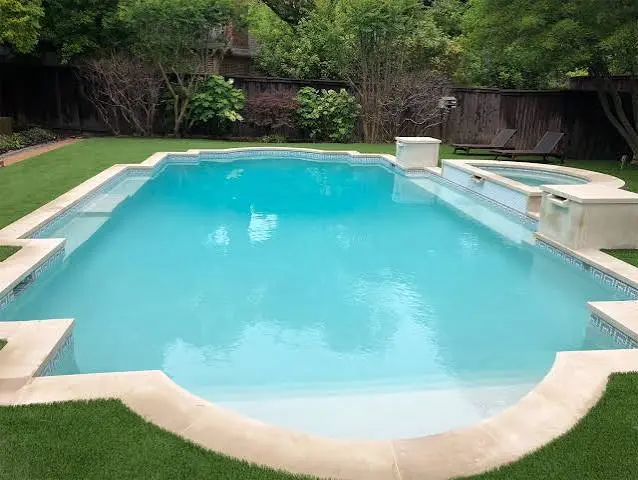
Professional Property Review
Honest Service Costs
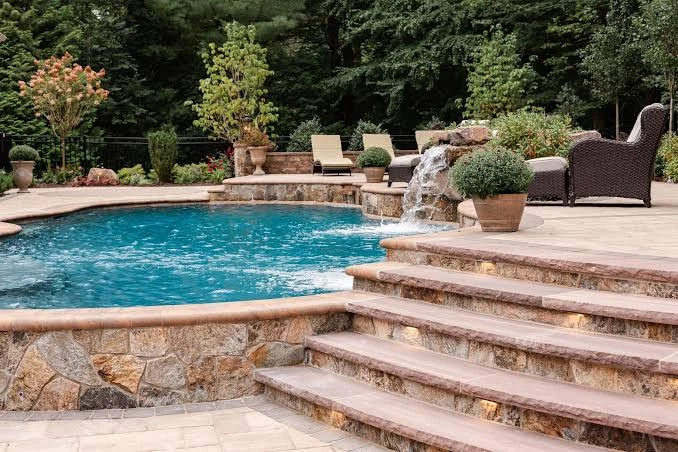
The Transformation Begins!
Pool Resurfacing Near Me
Professional Pool Resurfacing Services in Horseshoe Bay, Texas
Homes near Horseshoe Bay Boulevard and Crystal Creek Drive often have pools built 10 to 25 years ago. Original plaster finishes on pools this age are past their expected service life. It’s common for homeowners to reach out after noticing rough steps or a shallow end that’s started wearing noticeably, well before the rest of the pool shows visible damage. Resurfacing restores the pool shell and stops further water loss through the surface.
Below are the core services provided.
Pool Remodeling
Pool remodeling covers structural and cosmetic changes beyond a surface refinish. This includes reshaping steps, adding tanning ledges, upgrading tile lines, and replacing outdated equipment. A remodel is typically chosen when the pool has multiple issues at once, such as an aging finish combined with damaged coping or non-functional lighting.
Pool Resurfacing
Pool resurfacing replaces the interior finish of the pool shell. The process includes draining the pool, removing the old surface layer, repairing any exposed concrete, and applying a new finish. Resurfacing addresses rough texture, discoloration, and small cracks before they become structural problems.
Pool Replastering
Pool replastering applies specifically to plaster finishes. Plaster has an average lifespan of 7 to 12 years in Central Texas due to sun exposure and water chemistry fluctuations. Replastering involves chipping out the old plaster layer, inspecting the underlying concrete shell for cracks, and applying a new plaster coat in white or a pigmented finish.
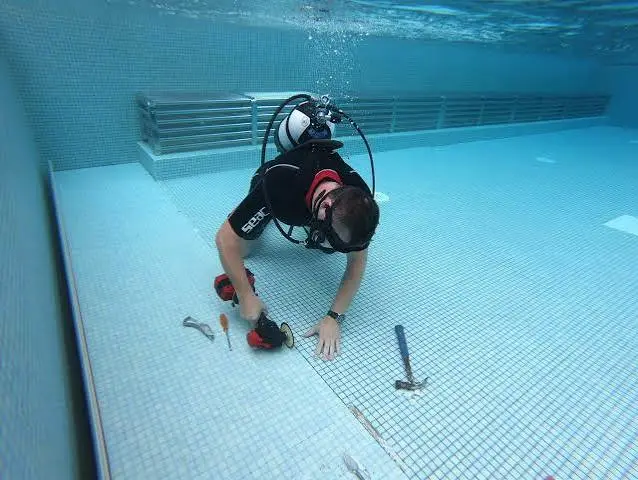
All Tile Pools
Some pools are fully tiled rather than plastered, using ceramic tile or glass tile across the entire shell. Full-tile pools require different maintenance than plaster or pebble pools. Grout lines need inspection for cracking, and individual tiles need replacement rather than a full resurfacing when damage occurs in isolated areas.
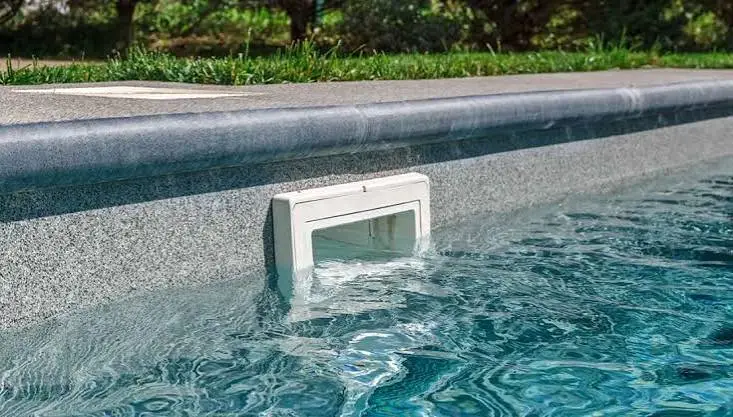
Pool Skimmer Installs
The skimmer pulls surface debris into the filtration system before it sinks. A cracked or poorly sealed skimmer housing causes water loss and reduces filtration efficiency. Skimmer installation includes fitting the housing into the pool wall, sealing it against the shell, and connecting it to the existing plumbing line.
Pool Lights
Pool lights are usually replaced during a resurfacing project since the light housing sits inside the wall being refinished. Options include standard incandescent fixtures and LED fixtures, which use significantly less energy and last longer between bulb changes. In hard water areas like Horseshoe Bay, light housings and lenses can develop mineral haze over time, which is worth checking during any resurfacing inspection.
Waterline Tile
Waterline tile sits at the pool’s water level and protects the area most exposed to sun, chemicals, and calcium buildup. This band of tile also defines the top edge of the finish visually. Waterline tile in Horseshoe Bay often accumulates calcium deposits faster than in softer-water regions, which is one reason it’s inspected closely during any resurfacing job. It’s typically replaced during resurfacing since the old adhesive and grout are exposed once the surrounding plaster is removed.
Pool Coping
Coping is the material capping the edge of the pool shell, separating the water from the surrounding deck. It protects the bond beam underneath from water infiltration. Cracked or lifting coping allows water to seep behind the pool shell, which can lead to deck settling over time.
Pool Crack Repair
Cracks in a pool shell fall into two categories: surface cracks in the finish, and structural cracks that extend into the concrete shell (gunite or shotcrete) beneath. Surface cracks are addressed during resurfacing. Structural cracks require deeper repair work, including epoxy injection or removal and rebuild of the affected section, before a new finish is applied.
Pool Railings & Ladders
Railings and ladders are inspected for anchor corrosion and stability before a resurfacing project begins. In lakefront properties around Horseshoe Bay, higher humidity and mineral-rich splash-out can speed up corrosion on metal anchors compared to inland pools. Anchors are often reset into the new concrete or coping during the resurfacing process to prevent future loosening.
Pool Finish Options for Every Backyard
Finish choice affects the pool’s texture, appearance, and expected service life. Each option has different cost, maintenance, and durability characteristics.
White Plaster
White plaster is the standard, entry-level finish for gunite and shotcrete pools. It has a smooth texture and a service life of roughly 7 to 10 years under typical Central Texas water conditions. Given the hard water common around Horseshoe Bay and Lake LBJ, plaster surfaces here tend to show calcium scaling sooner than in areas with softer water, which is why regular water balancing matters more with this option locally.
Quartz Finish
Quartz finish blends plaster with ground quartz aggregate, adding color and surface hardness compared to standard white plaster. This finish typically lasts 10 to 15 years. It resists staining better than plain plaster and comes in a range of color options.
Pebble Finish
Pebble finish uses natural pebble aggregate exposed at the surface, creating a textured, slip-resistant feel underfoot. Pebble finishes generally last 12 to 20 years, making them a longer-term option than plaster or quartz. In areas with heavy year-round sun exposure, like Horseshoe Bay, the added durability of pebble aggregate against UV breakdown is one reason homeowners upgrade from plaster during a resurfacing project rather than replacing plaster with plaster.
Pebble Tec® & Pebble Sheen®
Pebble Tec® uses larger pebble aggregate for a more textured surface, while Pebble Sheen® uses smaller, polished aggregate for a smoother feel. Both are proprietary aggregate finishes known for durability and are commonly requested by homeowners upgrading from plaster.
Aggregate Pool Finishes
Aggregate finishes, including pebble and quartz, incorporate small stones or minerals into the surface material. Compared to plain plaster, aggregate finishes resist etching from acidic water and physical wear from foot traffic and pool tools.
All Tile Pools
A fully tiled interior, using ceramic or glass tile, is the most durable finish option, often lasting 20 years or more with proper grout maintenance. It carries a higher upfront cost than plaster, quartz, or pebble finishes but requires less frequent full resurfacing.
Common Signs Your Pool Needs Resurfacing
A pool surface rarely fails all at once. It shows warning signs first.
Surface Cracking
Fine cracks across the plaster or pebble surface indicate the finish is aging or the shell beneath has minor movement. Left unaddressed, small cracks widen and allow water to seep into the layers underneath.
Peeling Plaster
Plaster that separates from the concrete shell in sheets or flakes indicates bond failure between the finish and the shell. This is typically caused by poor original application or age-related breakdown and requires full removal of the affected plaster.
Rough Surface
A surface that feels gritty or abrasive underfoot signals plaster degradation. Rough texture is often the first sign noticed by swimmers before other visible damage appears. It’s common for homeowners to contact us specifically about rough steps or a rough shallow-end floor before they notice any cracking elsewhere in the pool.
Plaster Flaking
Small chips or flakes coming loose from the surface, sometimes visible in the pool floor as white debris, point to advanced surface breakdown that resurfacing addresses directly.
Surface Wear
General thinning of the finish, especially in high-traffic areas like steps and the shallow end, reduces the surface’s protective barrier over the concrete shell.
Stains
Dark or discolored patches on plaster or pebble surfaces often result from metal content in the water or algae growth in porous, aging plaster. Persistent staining that doesn’t respond to chemical treatment usually indicates the surface itself is compromised.
Water Loss
A pool losing more than a quarter-inch of water per day, beyond normal evaporation, may be losing water through cracks in the surface or shell rather than through evaporation alone.
Concrete Exposure
Visible gray concrete showing through a formerly smooth white or colored finish means the surface layer has worn through completely in that area.
Surface Discoloration
Uneven color across the pool surface, including blotchy or mottled patches, often signals inconsistent curing of the original finish or chemical damage building up over years of use.
About Pool Resurfacing Austin Tx
A pool surface breaks down over time. Sun exposure, water chemistry, and daily use wear down plaster, quartz, and pebble finishes. Cracks form. Plaster flakes. Water starts to look cloudy even after balancing chemicals. These are signs of a failing pool surface, not just cosmetic issues.
Pool Resurfacing Austin Tx provides pool resurfacing services to homeowners in Horseshoe Bay, Texas. The work covers full surface removal, structural crack repair, and new finish application, including plaster, quartz, and pebble options. A properly resurfaced pool typically lasts 10 to 20 years before the next resurfacing is needed, depending on the finish type and water chemistry maintenance.
Horseshoe Bay sits along Lake LBJ in Llano and Burnet counties, in the Texas Hill Country. Pools in this area deal with conditions that differ from pools in flatter, non-limestone regions of the state. This page covers the resurfacing process, finish options, local water and climate factors, warning signs of surface failure, and answers to common questions from Horseshoe Bay pool owners.
Why Homeowners in Horseshoe Bay Choose Pool Resurfacing Austin Tx
Experienced Pool Technicians
Technicians assigned to resurfacing projects have direct experience with plaster, quartz, pebble, and tile finish applications, along with structural crack repair on Hill Country pools where limestone-influenced water accelerates calcium scaling and surface wear compared to softer-water regions.
Licensed, Bonded, Insured
All work is performed under proper licensing and insurance coverage, protecting homeowners against liability during the project. [Add your license number and bonding details here for direct verification by homeowners.]
Clean Job Site
Pool decks in Horseshoe Bay are often built close to landscaping, lake-view features, or outdoor living areas. Job sites are kept organized throughout the project, with equipment and materials contained to minimize disruption to the surrounding yard, deck, and lake-facing spaces.
Respectful Team
Technicians communicate directly with homeowners about project timing and any changes to scope, and work respectfully around the property throughout the job, including properties with limited driveway or dock access common in lakefront neighborhoods.
Clear Communication
Homeowners receive updates at each stage of the resurfacing process, from initial inspection through final finish curing, so there’s no ambiguity about project status.
Timely Completion
Projects follow a defined schedule from draining through curing. Curing times can shift slightly with Hill Country summer heat and humidity from the lake, and homeowners are informed of the expected completion date and any weather-related adjustments at the start of the project.
Frequently Asked Questions About Pool Resurfacing in Horseshoe Bay, Texas
How long does pool resurfacing take?
Most resurfacing projects take 5 to 10 days from draining to completion. This includes surface removal, crack repair, finish application, and the initial curing period before refilling.
Can I resurface my pool without draining it completely?
No. Resurfacing requires a fully drained pool since the old finish is removed down to or near the concrete shell before the new finish is applied.
How often should a pool be resurfaced?
Plaster finishes typically need resurfacing every 7 to 12 years. Quartz finishes last 10 to 15 years, and pebble finishes last 12 to 20 years. Actual timing depends on water chemistry maintenance and usage.
What is the cost difference between plaster, quartz, and pebble finishes?
Plaster is the lowest-cost option. Quartz finishes cost more than plaster due to the added aggregate material. Pebble finishes cost the most among the three but offer the longest service life, which affects long-term cost per year of use.
Do you offer a free pool inspection or quote?
Yes. An inspection identifies the current condition of the surface and shell, and a quote is provided based on pool size, finish selection, and any additional repair work needed, such as crack repair or coping replacement.