
Pool Resurfacing Scobee, Texas
Our Resurfacing/Remodeling Process
We value your schedule and work quickly!
Reach Out For Your Free Quote
Professional Property Review
Honest Service Costs
The Transformation Begins!
Pool surfaces wear down over time. Plaster cracks. Tile loosens. Water starts to look cloudy even after balancing chemicals. These are signs of a surface that needs attention, not a pool that needs replacing.
Pool Resurfacing Austin Tx has served Scobee, Texas homeowners since 2004. In that time, we’ve noticed a few things that don’t always show up in generic pool care guides: pool age matters more than most homeowners expect, older plumbing runs behave differently under pressure testing, and how a pool gets used day to day affects the surface as much as any water chemistry number.
If your pool surface shows cracking, staining, or rough texture, resurfacing restores it. Most jobs in Scobee run one to two weeks. Summer heat helps plaster cure, but it also means we plan around peak afternoon temperatures to avoid surface issues from curing too fast.
Pool Resurfacing Near Me
Professional Pool Resurfacing Services in Scobee, Texas
Pool Resurfacing Austin Tx offers a full range of resurfacing and remodeling services for homes in Scobee, following Pool and Hot Tub Alliance (PHTA) guidelines. We check the shell, the plumbing lines, and the equipment pad before quoting any job. Skipping that inspection step is, in our experience, the most common reason a resurfacing job runs into surprise costs partway through.
Pool Remodeling
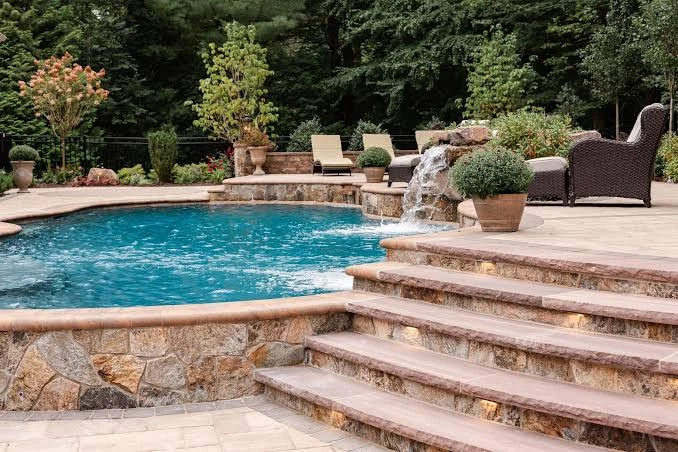
Pool remodeling covers structural and cosmetic upgrades in one project — resurfacing, new tile, updated coping, equipment replacement. Many remodel requests start with a single complaint, usually a stained step or a rough patch near the ladder, and grow into a full remodel once we’re in the pool and can see the coping and tile up close.
Pool Resurfacing
This replaces the top layer of the pool shell. Sun exposure and water chemistry both wear this layer down, and in our experience, sun exposure plays a larger role here than the freeze-thaw cycles you’d worry about in colder states. Resurfacing strips the damaged layer and applies a new finish, protecting the concrete shell underneath.
Pool Replastering
Plaster is the most requested finish we install, mainly because it’s the lowest-cost option with a long track record. How long it actually lasts depends heavily on maintenance habits. Pools where owners test water chemistry regularly tend to get the full expected lifespan out of plaster. Pools that don’t often need attention sooner than the seven-to-fifteen-year range you’ll see quoted online.
All Tile Pools
Some homeowners skip plaster altogether and tile the entire shell. All tile pools resist staining well and hold up under heavy use, which makes them a common upgrade after a second or third replaster. The tradeoff is a longer install timeline, mostly due to the grout work and surface leveling tile requires.
Pool Skimmer Installs
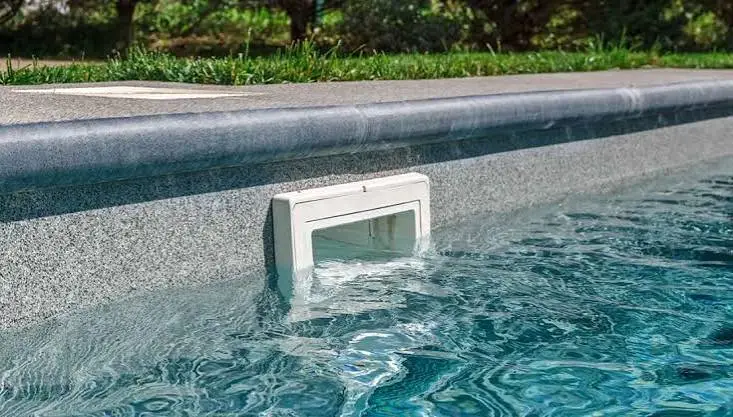
The skimmer clears debris off the water surface before it clogs the filter. How fast a skimmer basket fills up depends a lot on what’s growing nearby — some Scobee properties deal with more leaf litter and yard debris than others, so we size and place skimmers based on what we see on-site rather than a one-size spec.
Pool Lights
New LED fixtures rated for wet-niche use typically go in during resurfacing jobs. On older pools, we sometimes find fixtures and wiring that predate current code. We flag that during inspection so it gets addressed as part of the project instead of becoming a separate electrical call later.
Waterline Tile
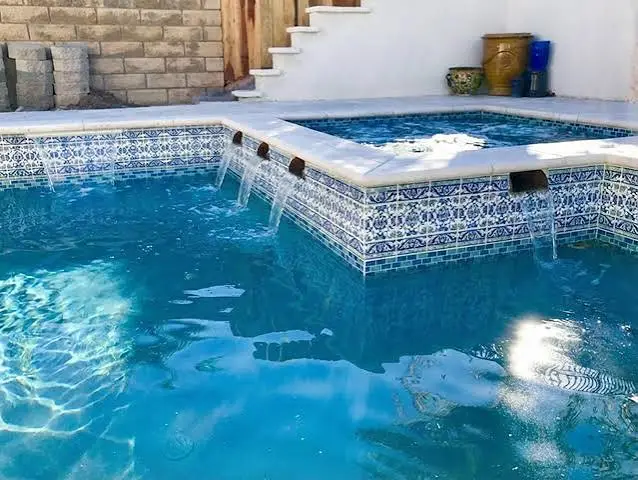
Waterline tile sits right where the water meets air, which makes it the first place mineral buildup or fading shows up. It’s often the detail homeowners notice before they connect it to the rest of the pool needing attention. We offer tile matching when the original run is still available — older lines are sometimes discontinued by the time a homeowner calls.
Pool Coping
Pool coping caps the shell’s edge and ties into the surrounding deck. Ground movement from seasonal wet-dry cycles is a common cause of coping cracks we come across, and it’s worth noting that kind of cracking has nothing to do with the plaster underneath — it’s a foundation and soil issue, not a surface one.
Pool Crack Repair
Cracks range from minor surface checking to structural cracks affecting water retention. We test for both before applying any new finish. A mistake we see often: a crack gets written off as cosmetic, then reopens through the new plaster within a year or two because it was never actually repaired.
Pool Railings & Ladders
This is usually a quick add-on to a coping or deck job. Worth checking anchor points during resurfacing, though — corroded anchors show up more often on older pools than most homeowners expect, especially ones original to the home’s construction.
Pool Finish Options for Every Backyard
Finish choice affects appearance, texture, and how long a surface lasts. Water chemistry is one factor. Usage patterns and maintenance habits matter just as much.
White Plaster
The standard, most affordable finish. Clean and smooth when new. In pools where owners stay on top of calcium hardness testing, we see plaster hold up close to the full expected range. In pools where testing is inconsistent, scale and rough patches tend to show up earlier.
Quartz Finish
Blends plaster with ground quartz aggregate for added hardness and more color options. Many of the pools we resurface with quartz show noticeably better resistance to staining than plain plaster over the following few years — enough that we recommend it fairly often for homeowners tired of replastering every seven or eight years.
Pebble Finish
Textured, non-slip surface using exposed natural pebble aggregate. Costs more than plaster or quartz, but holds up longer under regular use. Pools that see heavy daily traffic — kids, pets, frequent guests — tend to get the most value out of this upgrade.
Pebble Tec® & Pebble Sheen®
Two branded aggregate products within the pebble category. Pebble Tec® has a coarser texture; Pebble Sheen® is smoother underfoot. The choice usually comes down to how the pool is used — Pebble Sheen® gets picked more often for spas and sun ledges where bare skin sits directly on the surface.
Aggregate Pool Finishes
Aggregate finishes, including BeadCrete, mix plaster with decorative materials like glass beads or polished stone. They cost more upfront but resist staining better than plain plaster, which matters for pools that see a lot of direct sun and pool chemical use over the years.
All Tile Pools
The highest-cost, highest-durability finish. Tile doesn’t absorb minerals the way plaster does, so staining is less of a concern. We see this chosen most by homeowners who’ve already gone through two or three replaster cycles and are ready to stop repeating the process.
Common Signs Your Pool Needs Resurfacing
Most finishes last seven to twenty years depending on material, usage, and maintenance. Waiting too long after these signs appear raises the risk of structural damage underneath.
Surface Cracking
Hairline cracks are common as plaster ages and usually stay at the surface. Cracks that widen or spread, especially near steps or the deep end, more often point to shell movement than simple aging.
Peeling Plaster
Peeling happens when the finish separates from the concrete shell, often tracing back to water chemistry problems during the original application. Once it starts, it exposes the shell to water intrusion.
Rough Surface
Usually the result of mineral scale or general finish wear. It’s often the first thing swimmers notice — scraped feet or hands against the walls — well before anyone thinks to call it a resurfacing issue.
Plaster Flaking
An advanced stage of plaster failure. Small pieces detach from the shell and end up as debris in the water. It tends to accelerate quickly once it starts.
Surface Wear
Steps, benches, and areas near ladders wear faster than flat walls simply from foot traffic. Uneven wear patterns often show up years before the rest of the surface shows any damage.
Stains
Mineral deposits, corroding metal equipment, and algae growth all cause staining, and each looks a little different. Some lift with chemical treatment. Others are embedded deep enough in the plaster that only resurfacing removes them.
Water Loss
Unexplained water loss can mean a structural crack or a plumbing leak — and telling the two apart matters, because treating a plumbing leak as a surface issue costs homeowners real money. We run leak detection tests before recommending resurfacing as the fix.
Concrete Exposure
Once plaster wears away completely, the underlying shell becomes visible. This is one of the clearer signs resurfacing is overdue, and the longer exposed concrete sits, the more vulnerable it becomes to water damage.
Surface Discoloration
Uneven color often points to finish age or chemical exposure. Mostly cosmetic, though it can also be an early signal of deeper surface breakdown worth checking.
Why Homeowners in Scobee Choose Pool Resurfacing Austin Tx
We’ve worked on pools throughout Scobee and the greater Austin area since 2004. Two decades in one region means we’ve seen how pools built at different times behave differently — older pools often have plumbing and equipment that need extra attention during a resurfacing project, in ways newer construction usually doesn’t.
Experienced Pool Technicians
Technicians train on surface application, structural repair, and water chemistry. Experience matters most when a pool’s condition doesn’t match what a standard estimate would assume — knowing when to look closer is something that comes from doing this work repeatedly, not from a checklist.
Licensed, Bonded, Insured
We operate fully licensed, bonded, and insured on every project, which protects homeowners from liability during construction and confirms compliance with state and local requirements.
Clean Job Site
Debris removal and cleanup happen throughout the project. Homeowners shouldn’t have to manage construction mess during a resurfacing job.
Respectful Team
Crews work directly on residential properties and treat each job site accordingly, with attention to property care and clear communication about what’s happening and when.
Communication
Homeowners get updates at each stage, from inspection through final walkthrough. Questions go straight to the project team, not a call center.
Timely Completion
We set a project timeline upfront and stick to it. If something unexpected turns up once we’re in the pool — an old crack, a plumbing issue — we communicate that immediately instead of letting the timeline slip quietly.
Frequently Asked Questions About Pool Resurfacing in Scobee, Texas
How long does pool resurfacing take?
Most jobs take one to two weeks. Summer heat helps plaster cure faster, but we schedule around peak afternoon temperatures to avoid surface problems from curing too quickly.
How much does pool replastering cost in Scobee, Texas?
Cost depends on pool size, finish type, and current surface condition. We provide a written estimate after an on-site inspection, since two similarly sized pools can need very different scopes of work.
How long does a new pool finish last?
Plaster typically lasts seven to twelve years. In our experience, pools with consistent water testing tend to reach the higher end of that range, while pools with inconsistent maintenance often need attention sooner. Quartz and aggregate finishes generally last longer, and full tile can last decades.
Can you match my existing waterline tile?
Often, yes, depending on whether the original tile is still in production. Older tile runs get discontinued over time, so we check availability during the inspection.
Do I need a permit for pool resurfacing in Scobee?
Surface-only resurfacing usually doesn’t require a permit. Structural repairs or equipment changes may. We handle permitting when it’s needed as part of the project.
What is the difference between Pebble Tec® and quartz finish?
Pebble Tec® uses exposed pebble aggregate for a textured surface. Quartz finish blends ground quartz into plaster for something smoother. Pebble Tec® generally lasts longer and costs more.
Do you repair pool cracks before resurfacing?
Yes, always. Applying new plaster over an unrepaired crack is one of the most common reasons a crack reopens within a year or two.
Is a free pool inspection included?
Yes. Every estimate starts with a free, in-person inspection before we recommend a scope of work.