
Pool Resurfacing San Marcos, Texas
Our Resurfacing/Remodeling Process
We value your schedule and work quickly!
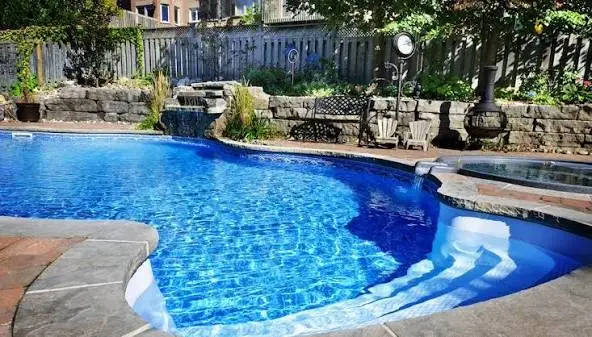
Reach Out For Your Free Quote
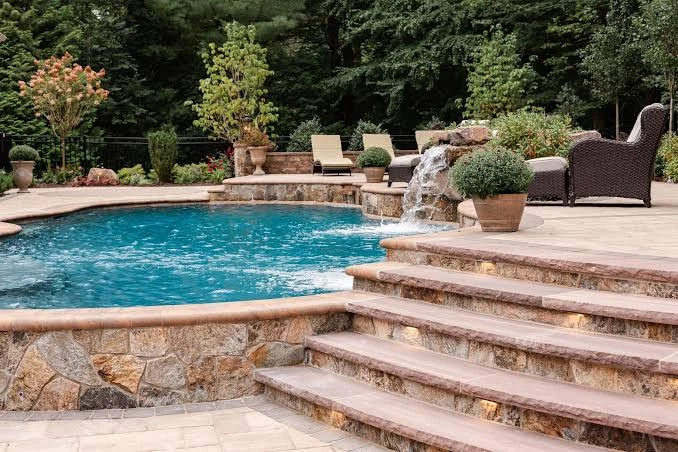
Professional Property Review
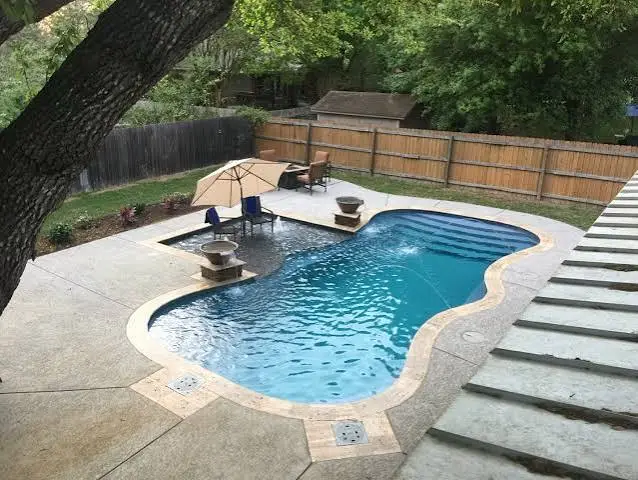
Honest Service Costs
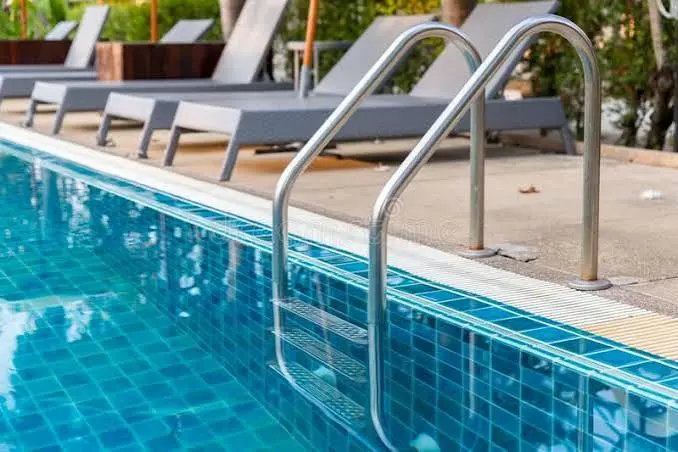
The Transformation Begins!
Pool surfaces in San Marcos, Texas break down faster than most homeowners expect. Texas heat, sun exposure, and water chemistry all wear down plaster over time. The average pool surface lasts between 7 and 15 years, depending on the finish type and water balance. Once cracks, roughness, or stains appear, the surface is already failing below what you can see.
Hard water is common in San Marcos due to the local limestone aquifer, and it plays a bigger role in plaster breakdown than most homeowners realize. Pools filled with well water or harder municipal supply tend to show scaling and calcium buildup earlier than pools on softer water, which is one reason finish choice matters as much as installation quality.
Pool Resurfacing Austin Tx has served San Marcos and the surrounding area since 2004. We handle resurfacing, replastering, remodeling, and repair work for residential pools. Our technicians are licensed, bonded, and insured, and every job includes a written warranty on workmanship.
If your pool surface feels rough, shows cracks, or has started losing water, request a free inspection below.
Pool Resurfacing Near Me
Professional Pool Resurfacing Services in San Marcos, Texas
A pool surface is not just cosmetic. It protects the concrete shell underneath and keeps water chemistry stable. When the surface fails, the problems move inward, affecting plumbing lines, equipment, and the structure itself. Below is a breakdown of the core services we provide in San Marcos.
Pool Remodeling
Pool remodeling covers structural and design changes beyond the surface. This includes reshaping steps, adding sun shelves, changing pool depth, or updating the overall layout. Remodeling projects usually combine several services, such as new plaster, new tile, and updated coping, into one project timeline.
A common question homeowners ask is whether remodeling requires draining the pool completely. In most cases, yes. Structural changes like adding a sun shelf or altering steps require access to the shell itself, which means the surface finish gets replaced as part of the same project rather than as a separate expense later.
Pool Resurfacing
Pool resurfacing replaces the interior finish of the pool. This is the layer of plaster, quartz, pebble, or tile that holds water and contacts swimmers directly. Resurfacing is typically needed once the existing finish shows cracking, staining, or roughness that chemical treatment cannot fix.
Pool Replastering
Pool replastering is a specific type of resurfacing that uses cement-based plaster. It is the most common and most affordable finish option in Central Texas. Replastering involves removing the old plaster layer, inspecting the concrete shell for cracks, and applying a new plaster coat matched to your chosen color and texture.
All Tile Pools
Some pools use tile across the entire interior surface rather than plaster. All-tile pools require different prep work, including substrate leveling and waterproofing membrane checks before tile installation. Tile surfaces last longer than plaster on average but cost more upfront and require specialized grout maintenance.
Pool Skimmer Installs
The pool skimmer pulls debris and surface contaminants into the filtration system before they sink or clog equipment. A damaged or undersized skimmer reduces filtration efficiency and increases strain on the pump. We install and replace skimmer housings during resurfacing projects, since the skimmer opening is easiest to access when the surface is already removed.
Pool Lights
Pool lights are typically replaced or upgraded during a resurfacing project because the light niche sits inside the surface layer. We install LED fixtures compatible with standard 1.5-inch and 1.5-inch niche sizes, and we seal the housing to prevent water intrusion once the new finish is applied.
Replacing an old incandescent fixture with LED during resurfacing is worth considering, since the niche is already exposed and won’t need to be re-accessed later. Trying to swap a light fixture after the surface is finished usually means cutting into new plaster, which most homeowners prefer to avoid.
Waterline Tile
Waterline tile sits at the water’s edge, covering the transition between the plaster surface and the coping. It protects the plaster edge from scale buildup and gives the pool a finished look. Waterline tile comes in ceramic, glass, and stone options, and it is replaced as part of most resurfacing projects.
Homeowners often ask whether waterline tile needs replacing if it still looks intact. The tile itself may hold up, but the grout behind it can loosen once the surrounding plaster is removed. Replacing waterline tile during resurfacing avoids a mismatch between old grout and new plaster, and prevents water from working behind loose tile later.
Pool Coping
Pool coping is the material capping the edge of the pool shell, separating the water from the deck. Coping takes constant sun and water exposure, which causes it to crack, shift, or discolor over time. We install and repair coping in concrete, natural stone, and precast options.
Pool Crack Repair
Cracks in the pool shell or plaster indicate structural movement, settling, or age-related deterioration. Left untreated, cracks allow water loss and can widen due to soil movement common in Central Texas clay. We assess crack depth and cause before recommending a repair method, which ranges from surface patching to structural injection.
Pool Railings & Ladders
Pool railings and ladders are safety components required by most Texas building codes for depth and entry points. We install and replace railings and ladders in stainless steel and other corrosion-resistant materials, anchored properly into the deck or coping to meet code requirements.
Pool Finish Options for Every Backyard
The finish you choose affects durability, cost, texture, and maintenance. Below are the main finish categories used in San Marcos pools today.
White Plaster
White plaster is the standard, most affordable pool finish. It is a mix of cement and marble dust, giving pools a classic light-blue water tone. White plaster typically lasts 7 to 10 years before it needs replacement, depending on water chemistry and usage.
White plaster stains and scales faster than other finishes because it is more porous than quartz, pebble, or tile. In areas with harder water, like much of San Marcos, calcium in the water bonds to the plaster surface more easily, leading to gray or white scale within the first few years. Homeowners who want white plaster can slow this down with regular brushing and consistent calcium hardness testing, but the finish will still need replacement sooner than aggregate options.
Quartz Finish
Quartz finish blends plaster with ground quartz aggregate, adding color options and improved surface durability compared to standard white plaster. Quartz finishes resist staining better and typically last 10 to 15 years with proper maintenance.
For homeowners in San Marcos dealing with hard water, quartz is often a better fit than white plaster. The denser surface resists calcium scaling more effectively, which means less brushing and fewer acid washes over the life of the finish.
Pebble Finish
Pebble finish uses small natural pebbles mixed into the plaster base, creating a textured, slip-resistant surface. It is more durable than plaster or quartz and offers a range of natural color tones.
Pebble Tec® & Pebble Sheen®
Pebble Tec® and Pebble Sheen® are branded pebble finish products known for consistent aggregate sizing and finish quality. Pebble Tec® uses larger aggregate for a textured feel, while Pebble Sheen® uses smaller aggregate for a smoother surface. Both are among the longest-lasting finishes available, often rated for 15 to 20 years.
Aggregate Pool Finishes
Aggregate finishes combine plaster with materials such as quartz, pebble, or glass beads. The aggregate size and type affect texture, color, and price. Aggregate finishes generally outlast plain plaster because the added material resists erosion from water flow and chemical exposure.
All Tile Pools
Tile as a full-surface finish offers the longest lifespan of any pool surface option, often exceeding 20 years with proper grout maintenance. It costs more than plaster or aggregate finishes but requires less frequent replacement.
Choosing the Right Finish for Your Budget and Water Conditions
Most homeowners choose between three factors: upfront cost, expected lifespan, and how the local water will treat the surface. There is no single correct answer, but a few patterns hold up across most San Marcos projects.
If budget is the main concern and you are comfortable resurfacing again in 7 to 10 years, white plaster remains the lowest-cost option. If you would rather resurface less often and reduce staining from hard water, quartz or pebble finishes cost more upfront but usually even out in long-term value. For pools that see heavy year-round use, such as those with young children or frequent swimmers, pebble and tile finishes hold up better against foot traffic and cleaning tools.
Water hardness in San Marcos is a real factor in this decision, not just a sales point. Pools filled with well water or unbalanced municipal water tend to scale faster on plaster than on denser aggregate finishes.
Common Signs Your Pool Needs Resurfacing
Surface problems rarely appear all at once. Watching for early signs prevents small issues from becoming structural ones.
Surface Cracking
Small cracks in plaster usually start at corners, steps, or areas with the thinnest plaster application. As cracks widen, they allow water to reach the concrete shell underneath, accelerating damage.
Peeling Plaster
Peeling happens when plaster loses adhesion to the concrete shell, often due to poor original application or chemical imbalance. Peeling exposes the shell directly to pool water and chemicals.
Rough Surface
A rough surface usually points to mineral scaling, plaster erosion, or aggregate exposure. Swimmers often notice this on hands and feet before it becomes visible.
Plaster Flaking
Flaking is a more advanced stage of peeling, where small plaster pieces detach and collect on the pool floor. This is a clear sign the surface layer has failed and needs replacement.
Surface Wear
General wear appears as thinning plaster, faded color, and a chalky texture when touched. Wear accelerates in pools with high bather load or unbalanced water chemistry.
Stains
Stains form from metals in the water, algae growth, or organic debris trapped in the plaster surface. Some stains can be treated chemically, but persistent staining usually means the plaster has become porous and needs resurfacing.
Water Loss
Unexplained water loss, beyond normal evaporation, often traces back to cracks in the shell or failed plumbing seals near the surface. A basic water-loss test compares evaporation rate against actual loss to confirm a leak.
Concrete Exposure
When plaster wears down completely, the underlying concrete or gunite shell becomes visible. Exposed concrete degrades faster once directly exposed to pool chemicals, making resurfacing urgent at this stage.
Surface Discoloration
Discoloration can result from chemical imbalance, mineral deposits, or plaster aging. While some discoloration is cosmetic, uneven or spreading discoloration often signals underlying plaster breakdown.
About Pool Resurfacing Austin Tx
Pool Resurfacing Austin TX is a family-operated business, not a franchise. Decisions about scheduling, materials, and project scope happen locally, without corporate layers slowing down communication.
We have worked on pools throughout San Marcos and neighboring communities since 2004, from properties near Crystal Creek Drive to homes off San Marcos Boulevard. Local experience means familiarity with the specific soil movement, water hardness, and climate conditions that affect pool surfaces in this region.
San Marcos sits on expansive clay soil in many areas, which shifts with seasonal moisture changes. That movement is a common cause of shell cracking and coping separation, especially in pools built more than 15 years ago. Summer heat adds another layer of stress, since plaster cures and wears differently in high-temperature months than it does in cooler ones. We schedule surface work around these seasonal factors rather than applying a one-size approach year-round.
We start every project with a physical inspection of the pool shell, not just the visible surface. This identifies structural issues, like cracks or plumbing problems, before they get sealed under a new finish.
We’ve seen enough San Marcos pools to know that skipping this step is how small cracks turn into repeat repair calls two years later. Our goal is a surface that holds up under Central Texas conditions, not just one that looks new on day one.
Why Homeowners in San Marcos Choose Pool Resurfacing Austin, TX
Experienced Pool Technicians
Our technicians have worked on pool surfaces since 2004, covering plaster, tile, coping, and structural repair. Experience with Central Texas soil conditions and water chemistry directly affects how long a resurfacing job lasts.
Licensed, Bonded, Insured
We hold active licensing and insurance coverage for every project we complete in San Marcos. This protects your property and gives you recourse if anything goes wrong during the job.
Clean Job Site
Resurfacing work involves plaster removal, dust, and equipment on-site. We contain debris, protect surrounding landscaping, and clean the work area at the end of each day.
Respectful Team
Our crews work on your property, often while you are home. We keep communication clear and treat your home and yard with the same care we’d expect for our own.
Clear Communication Throughout the Project
You receive updates at each project phase: inspection, prep, surface application, and curing. This avoids confusion about timelines, costs, or scope changes mid-project.
Timely Completion
Pool resurfacing projects typically run 5 to 10 days from plaster removal to water fill, depending on finish type and curing requirements. We schedule projects with a clear timeline upfront and communicate any changes as they happen.
Frequently Asked Questions About Pool Resurfacing in San Marcos, Texas
How long does pool resurfacing take?
Most resurfacing projects take 5 to 10 days from start to finish, including plaster removal, surface prep, application, and curing time before refilling.
How much does pool resurfacing cost in San Marcos, Texas?
Cost depends on several factors rather than a flat rate. Pool size is the largest driver, since resurfacing is typically priced by square footage of surface area. Finish type is the second factor: white plaster requires less material and labor than quartz, pebble, or tile, so it costs less upfront. Current surface condition also affects price. A pool with structural cracks, plumbing repairs near the light niche or skimmer, or coping damage costs more than a pool that only needs a straightforward surface replacement. Site accessibility matters too. Pools with limited equipment access, decorative decking, or nearby landscaping that needs protecting can add labor time. An on-site inspection accounts for all of these factors and gives an accurate number for your specific pool.
How often should a pool be resurfaced?
Standard plaster finishes typically need resurfacing every 7 to 10 years. Quartz and pebble finishes can extend that range to 10 to 20 years, depending on water chemistry and maintenance.
What is the difference between pool resurfacing and pool replastering?
Replastering is one type of resurfacing that specifically uses cement-based plaster. Resurfacing is the broader term covering any full surface replacement, including plaster, quartz, pebble, or tile.
Can pool coping be repaired without full resurfacing?
Yes. Coping repair and replacement can often be done independently of interior surface work, unless the coping damage relates to a structural issue affecting the pool shell.
What pool finish lasts the longest?
All-tile finishes and Pebble Tec® typically last the longest, often exceeding 15 to 20 years with regular maintenance. Standard white plaster has the shortest expected lifespan among common finish types.