
Pool Resurfacing Round Rock, Texas
Our Resurfacing/Remodeling Process
We value your schedule and work quickly!
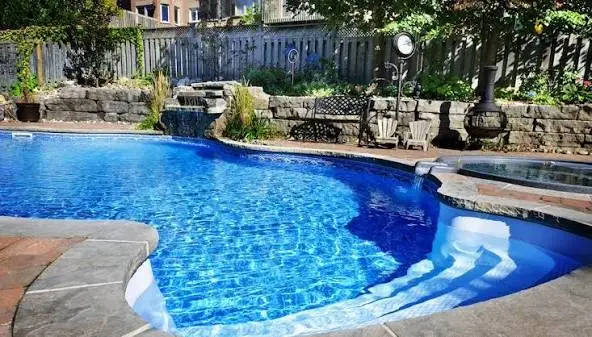
Reach Out For Your Free Quote
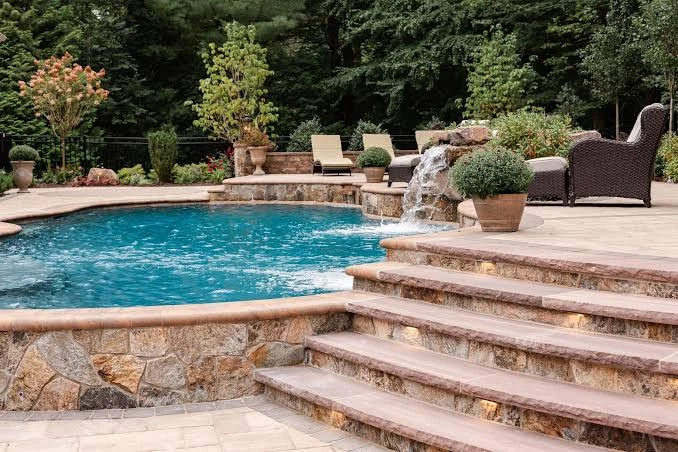
Professional Property Review
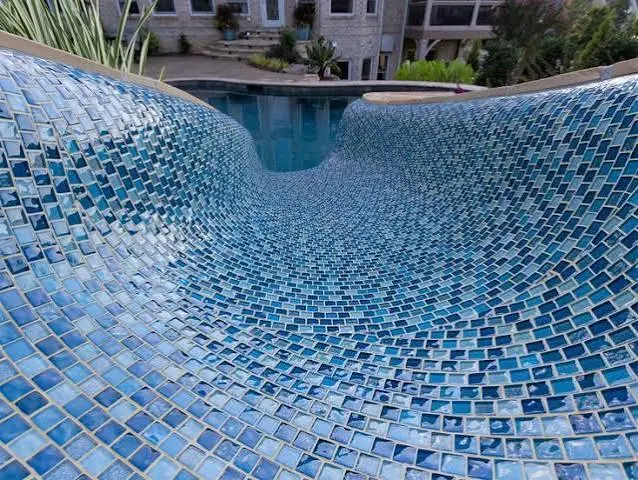
Honest Service Costs
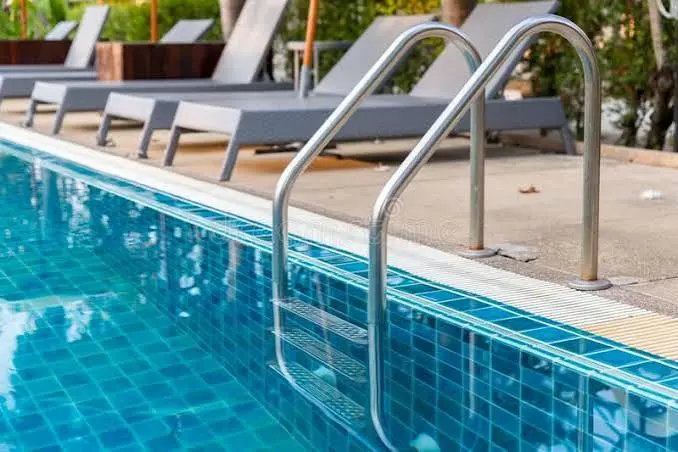
The Transformation Begins!
Your pool surface protects the concrete shell underneath it. Once that surface cracks, stains, or wears thin, water starts working against the structure instead of resting inside it. Pool Resurfacing Austin Tx has served Round Rock, Texas homeowners since 2004. We resurface, replaster, and remodel pools built for Central Texas conditions: hard, limestone-heavy well water, expansive clay soil, and summers that push pool surfaces harder than most parts of the country.
We handle everything from a single-day skimmer replacement to a full pool remodel with new tile, coping, and finish. Every job starts with an inspection. Every quote is free. Every technician on our crew is licensed, bonded, and insured.
Pool Resurfacing Near Me
Professional Pool Resurfacing Services in Round Rock, Texas
Pool resurfacing covers more than one repair. Round Rock homeowners come to us for a range of services, from full remodels to single-component fixes. Below is what we do, and when each service applies.
Pool Remodeling
Pool remodeling changes more than the surface. It can include a new shape, added tile, updated lighting, and a new coping line. Many of the pools we remodel in Round Rock were built in the late 1990s and early 2000s, during the city’s biggest residential growth years. Those pools are now old enough that a surface-only fix often isn’t enough, and homeowners want to update the layout at the same time. A remodel typically combines two or more services from this list into one project timeline.
Pool Resurfacing
Pool resurfacing replaces the top layer of your pool’s interior. This layer holds water in and gives the pool its color and texture. In our experience, pools on Round Rock’s well water systems tend to show scale and mineral buildup faster than pools on treated municipal water, since well water here runs harder. That buildup accelerates surface wear, which is why resurfacing timelines vary block by block, not just pool by pool.
Pool Replastering
Pool replastering is a specific type of resurfacing that applies a new plaster coat to a concrete or gunite pool shell. Plaster is the most common pool finish in Texas because of its cost and durability balance. A typical plaster finish lasts between 7 and 15 years, depending on water chemistry and maintenance. We remove the old plaster down to the concrete shell before applying the new coat, so the bond holds.
All Tile Pools
Some homeowners choose a fully tiled pool interior instead of plaster or aggregate. All tile pools offer a hard, non-porous surface that resists staining and algae growth better than plaster. This option costs more upfront but requires less frequent resurfacing. We install and repair all-tile interiors for both new builds and full remodels.
Pool Skimmer Installs
The skimmer pulls debris and surface contaminants into your filtration system. A cracked or poorly placed skimmer reduces circulation and lets debris settle on the pool floor. Skimmer housings are also one of the more common points of stress cracking, since they sit at a structural break in the shell. We install new skimmers during resurfacing projects and also handle standalone skimmer replacement when the housing cracks or the existing unit stops functioning.
Pool Lights
Pool lights sit inside a niche in the pool wall, sealed against water intrusion. During resurfacing, we replace or reposition light fixtures as needed and update wiring to current code. LED conversions are common during remodels, since LED fixtures use less energy and last longer than older incandescent pool lights.
Waterline Tile
Waterline tile sits at the point where water meets the pool wall. It protects the plaster edge from the buildup that forms at the waterline, known as scale or calcium deposits. Round Rock’s harder well water makes this buildup more noticeable than in areas with softer municipal water, so waterline tile tends to need attention sooner here. We replace cracked, loose, or outdated waterline tile as part of resurfacing or as a standalone project.
Pool Coping
Coping is the material that caps the pool’s edge, connecting the shell to the deck. It protects the edge of the pool structure and gives swimmers a place to grip. The clay-heavy soil common across Round Rock neighborhoods expands and contracts with moisture changes throughout the year, which shifts coping more than sandier or rockier soil types would. We repair and replace coping in stone, concrete, and paver materials.
Pool Crack Repair
Cracks in a pool shell range from minor surface checking to structural cracks that leak water. In the pools we’ve inspected around Round Rock, cracks tend to concentrate near the skimmer opening and along the bond beam, the points where soil movement puts the most stress on the shell. We inspect the crack pattern first to determine the cause, since surface cracks and structural cracks require different repair methods. Structural cracks need to be addressed before any new surface is applied, or the new finish will crack again in the same place.
Pool Railings & Ladders
Railings and ladders provide entry and exit points and support for swimmers with limited mobility. These fixtures anchor into the pool deck and coping, so they’re often replaced during coping or deck work. We install stainless steel and powder-coated railings built to meet current safety standards.
Pool Finish Options for Every Backyard
The finish you choose affects how your pool looks, how long it lasts, and how much maintenance it needs. Central Texas summers add another factor: surface temperature. Darker and rougher finishes absorb more heat underfoot on 100-degree days, which is worth considering alongside durability and cost.
White Plaster
White plaster is the traditional pool finish and remains the most commonly installed option in Texas. It offers a clean, classic look and costs less than textured or tiled finishes. White plaster typically lasts 7 to 10 years before it needs resurfacing again. It stays cooler underfoot than darker or textured finishes, but it’s more prone to staining than other finishes, so regular water balancing matters more with this option.
Quartz Finish
Quartz finish blends plaster with ground quartz aggregate. This mix adds strength and color options that plain white plaster doesn’t offer. Quartz finishes resist staining better than white plaster and typically last 10 to 12 years. The surface has a slightly textured feel underfoot compared to smooth plaster.
Pebble Finish
Pebble finish uses small natural stones mixed into the plaster base. This creates a textured, durable surface that holds up well to heavy pool use and Texas sun exposure. Pebble finishes generally last 12 to 15 years, making them a common choice for homeowners who want to resurface less often. Darker pebble colors run warmer underfoot in direct summer sun than lighter finishes.
Pebble Tec® & Pebble Sheen®
Pebble Tec® and Pebble Sheen® are branded pebble finish products with specific aggregate sizes and application processes. Pebble Tec® uses larger stones for a more pronounced texture, while Pebble Sheen® uses smaller stones for a smoother feel with the same durability benefits. Both are applied by certified installers following manufacturer specifications.
Aggregate Pool Finishes
Aggregate finishes cover a broader category that includes pebble and quartz options, along with other stone and mineral blends. These finishes generally outperform plain plaster in durability and stain resistance. The tradeoff is a higher material and labor cost at installation.
All Tile Pools
As covered above, an all-tile interior is the longest-lasting finish option, often exceeding 20 years with proper maintenance. Tile costs more per square foot than plaster or aggregate finishes, but the extended lifespan reduces how often the pool needs resurfacing work.
Common Signs Your Pool Needs Resurfacing
Most pool surfaces fail gradually. Catching the early signs saves money, since minor surface issues are easier to correct than structural damage from prolonged water loss.
Surface Cracking
Fine cracks across the plaster surface, sometimes called crazing, are usually cosmetic. Wider or deeper cracks can indicate the plaster has separated from the shell underneath. Either type is a signal to have the surface inspected.
Peeling Plaster
Plaster that lifts or peels away from the shell has lost its bond. This condition is called delamination. It happens most often when the original application didn’t cure properly, when the surface was applied over an existing layer instead of a fully prepped shell, or when water chemistry stayed imbalanced for an extended period. Peeling plaster exposes the concrete shell to direct water contact.
Rough Surface
A pool surface that feels rough or abrasive underfoot has typically lost its top layer of finish. This exposes the aggregate beneath white plaster, or signals mineral buildup from imbalanced water chemistry. Rough surfaces can cause skin irritation and swimsuit wear.
Plaster Flaking
Flaking occurs when small chips of plaster break off the surface. This is often visible as white or gray debris settling on the pool floor. Flaking indicates the plaster has weakened and is no longer bonded evenly across the shell.
Surface Wear
General wear appears as thinning plaster, faded color, or a surface that looks dull compared to when it was new. Wear accelerates in high-traffic areas like steps and shallow ends.
Stains
Stains form from metals in the water, such as iron or copper, or from organic debris left on the surface. Round Rock’s well water can carry more dissolved minerals than treated municipal supply, which makes staining more common here than in some neighboring areas. Some stains lift with acid washing. Others penetrate deep enough that resurfacing is the only permanent fix.
Water Loss
A pool that loses more water than expected from evaporation may have a crack in the shell or plumbing. According to the Pool and Hot Tub Alliance (PHTA), a typical pool loses roughly a quarter inch of water per day to evaporation in hot climates. Loss beyond that rate points to a leak that needs inspection.
Concrete Exposure
When plaster wears through completely, the concrete or gunite shell underneath becomes visible. Exposed concrete is porous and allows water to penetrate the shell directly, which accelerates structural damage if left unaddressed.
Surface Discoloration
Uneven color, blotchy patches, or a surface that has turned a different shade than its original finish often signals chemical imbalance or age-related breakdown of the finish material. Discoloration alone isn’t always urgent, but it’s usually the first visible sign that resurfacing will be needed soon.
Why Homeowners in Round Rock Choose Pool Resurfacing Austin Tx
We’ve worked on pools across Round Rock, Texas since 2004, from properties near Round Rock Boulevard to backyards off Crystal Creek Drive and Southwest Parkway. Here’s what homeowners can expect when they hire our crew.
Experienced Pool Technicians
Our technicians have handled pool resurfacing, replastering, and remodeling projects for close to two decades. That experience covers a wide range of pool ages and shell conditions, including many of the concrete pools built during Round Rock’s residential growth in the late 1990s and early 2000s, which are now reaching the age where a second or third resurfacing is common.
Licensed, Bonded, Insured
Every project we take on is backed by proper licensing, bonding, and insurance coverage. This protects your property and gives you recourse if anything goes wrong during the job.
Clean Job Site
Pool resurfacing involves draining water, removing old material, and applying new finish. We keep the job site organized throughout the process and clean up debris and equipment once the work is complete.
Respectful Team
Our crew works on your property, often while you and your family are home. We keep communication professional and treat your home the way we’d want a contractor to treat ours.
Communication
You won’t need to guess where the project stands. Your project contact shares an update after draining, after surface prep, after the new finish is applied, and again before refill begins. Questions get answered directly, without vague timelines or unclear pricing.
Timely Completion
We provide a project timeline before work starts and stick to it. Texas summer heat and afternoon storms are the two conditions most likely to affect a resurfacing schedule, and we communicate any changes as soon as they come up.
Frequently Asked Questions About Pool Resurfacing in Round Rock, Texas
How long does pool resurfacing take?
Most resurfacing projects take 5 to 10 days from drain to refill, depending on the finish type and pool size. Plaster and quartz finishes generally cure faster than pebble or tile applications. Summer heat in Round Rock can shorten curing time on some steps, while sudden storms can delay others, so we build a small buffer into every schedule.
How much does pool resurfacing cost in Round Rock, Texas?
Cost depends on pool size, current surface condition, and finish material chosen. White plaster is the lowest-cost option, while pebble and all-tile finishes cost more due to material and labor. We provide a free, itemized quote after an on-site inspection, so you know the exact cost before committing.
How often should a pool be resurfaced?
Resurfacing frequency depends on the finish type. White plaster typically needs resurfacing every 7 to 10 years. Quartz and aggregate finishes last 10 to 15 years. All-tile interiors can go 20 years or more before needing attention. Water chemistry, well water hardness, and maintenance habits also affect how long a finish lasts in this area.
What is the difference between pool resurfacing and pool replastering?
Pool replastering refers specifically to applying a new plaster coat. Pool resurfacing is a broader term that includes plaster, quartz, pebble, aggregate, and tile options. Replastering is one type of resurfacing, not a separate service.
Do you offer free pool inspections or quotes?
Yes. We inspect your pool’s current surface condition and provide a written quote at no cost. This includes an assessment of whether the issue is cosmetic or structural.
Can you repair pool cracks without a full resurface?
Minor surface cracks can sometimes be patched without a full resurface. Structural cracks, or cracks that affect a large area of the surface, usually require resurfacing to ensure the repair holds. We assess crack severity during inspection and recommend the least invasive fix that solves the problem long-term.
What pool finish lasts the longest?
All-tile interiors last the longest, often exceeding 20 years. Pebble and aggregate finishes come next, typically lasting 12 to 15 years. White plaster has the shortest lifespan among common finishes, generally 7 to 10 years, but also costs the least to install.
Can you repair pool cracks without a full resurface?
Minor surface cracks can sometimes be patched without a full resurface. Structural cracks, or cracks that affect a large area of the surface, usually require resurfacing to ensure the repair holds. We assess crack severity during inspection and recommend the least invasive fix that solves the problem long-term.
Can I swim immediately after resurfacing?
No. New plaster and aggregate finishes need time to cure underwater before regular swimming begins. Most finishes require the pool to run through an initial chemical start-up period, typically lasting one to two weeks, before it’s ready for normal use. We provide specific timing based on the finish type installed.
Does pool resurfacing increase home value?
A pool in poor condition can work against a home’s value or slow a sale, since buyers often see an aging surface as a near-term expense. A properly resurfaced pool removes that concern, though resurfacing is generally viewed as maintenance that protects existing value rather than a renovation that adds value on its own.
What causes plaster delamination?
Delamination happens when the plaster layer separates from the concrete shell instead of bonding to it. Common causes include applying new plaster without fully removing the old layer, curing issues during the original installation, or long-term chemical imbalance that weakens the bond from the water side.
Is acid washing enough to fix a stained pool?
Acid washing removes a thin layer of plaster along with surface stains, and it works for light to moderate staining. It is not a substitute for resurfacing on a surface that’s already thin, cracked, or nearing the end of its lifespan. We check surface thickness before recommending acid washing over a full resurface.
Can I change my pool's color during resurfacing?
Yes. Resurfacing is the point where most homeowners change finish color, since the entire surface is being replaced. Quartz and pebble finishes offer a wider color range than standard white plaster.
Which finish stays coolest in summer?
Lighter-colored finishes, including white plaster and lighter quartz blends, stay cooler underfoot than dark pebble or dark aggregate finishes during direct summer sun. This is worth factoring in for pool decks and shallow areas where bare feet spend the most time.
How do I maintain a new plaster finish?
New plaster needs consistent water balancing during the first few weeks after installation, since the surface is most vulnerable to chemical damage while it finishes curing. After start-up, standard maintenance, regular brushing, and routine water testing extend the life of any finish, including plaster, quartz, pebble, and tile.