
Pool Resurfacing Dripping Springs, Texas
Our Resurfacing/Remodeling Process
We value your schedule and work quickly!
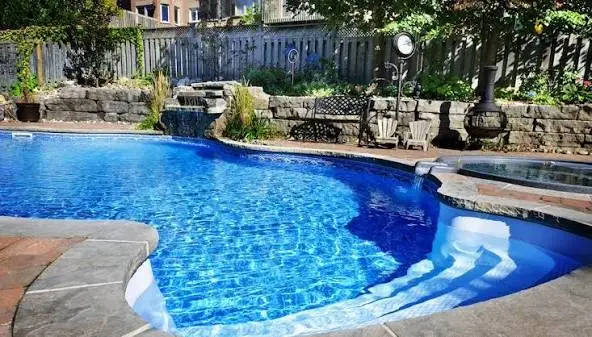
Reach Out For Your Free Quote
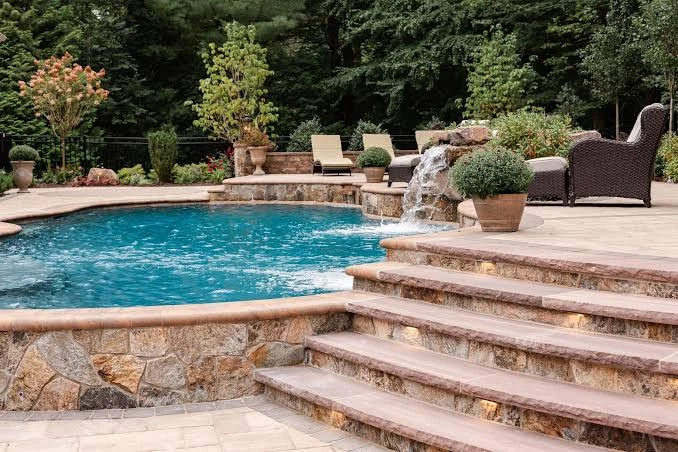
Professional Property Review
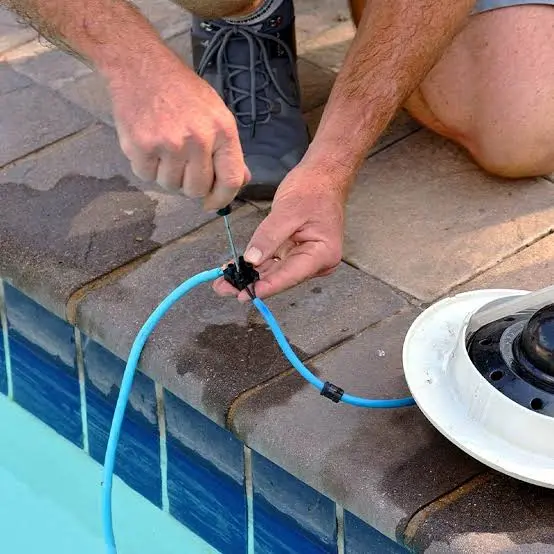
Honest Service Costs
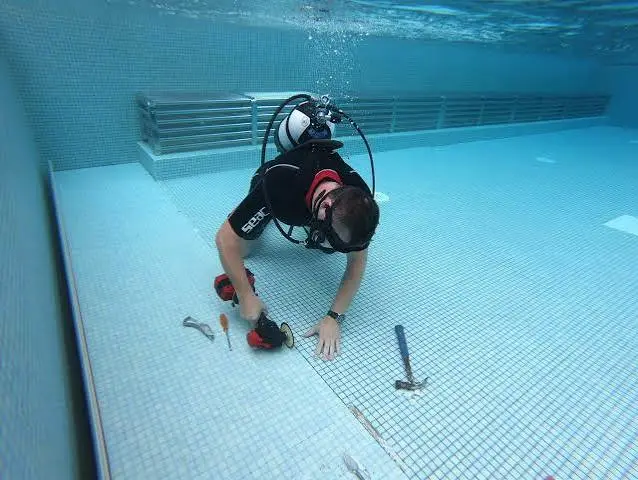
The Transformation Begins!
Professional Pool Resurfacing Services in Dripping Springs, Texas
A rough patch near the steps. A stain that won’t scrub out. A hairline crack tracing along the waterline. None of these show up overnight, and none of them fix themselves. Pool plaster typically lasts 7 to 15 years, but that range shrinks in Central Texas, where hard water and long stretches of intense UV exposure wear a surface down faster than in milder climates.
Pool Resurfacing Austin Tx handles resurfacing, replastering, and remodeling for gunite and concrete pools across Dripping Springs, Texas. In this region, plaster wear tends to concentrate around steps and shallow-end benches first, since those areas take the most foot traffic and the heaviest chemical exposure.
A failing surface rarely stays a surface problem. Once plaster cracks or peels far enough for water to reach the concrete shell underneath, the project stops being cosmetic. What started as a resurfacing job turns into a structural repair, and the cost difference between the two is significant.
Below is what we offer, how the finish options compare, what to watch for on your own pool, and what the process looks like from inspection to final walkthrough.
Pool Resurfacing Near Me
Our Pool Resurfacing & Remodeling Services in Dripping Springs, Texas
Every quote starts with a walk around the pool, not a form. A ten-year-old plaster pool with light etching needs a different scope of work than one with exposed rebar or coping that’s coming loose. The services below cover what we handle, either on their own or bundled into a larger remodel.
Pool Remodeling
Reshaping steps. Extending a tanning ledge. Replacing coping around the entire perimeter. Pool remodeling covers structural and design changes that go beyond a fresh surface, and it’s typically what homeowners look into when the pool feels dated next to a newly renovated backyard, or when several systems need attention in the same project. Scope gets defined on-site, since layout changes depend on the existing shell and plumbing.
Pool Resurfacing
Plaster, quartz, and pebble finishes all wear down eventually, whether from water chemistry, sun, or daily use, which makes resurfacing one of the more common calls we get. The process involves draining the pool, prepping the old surface through acid washing or bead-blasting depending on condition, patching any cracks found along the way, then applying the new finish.
Pool Replastering
Plaster is a cement and aggregate mix, and its biggest strength, a porous surface that’s easy to apply and affordable, is also its biggest weakness. Porous surfaces stain and etch more easily, especially with the harder water common across this part of Texas. Replastering means stripping the old layer to the gunite shell, checking for delamination underneath, and applying new plaster with a proper startup procedure so it cures evenly.
All Tile Pools
Not every pool in Dripping Springs is plastered. Fully tiled pools age differently: grout lines typically wear out before the tile itself does, and individual tiles can crack loose from age or minor shell movement. Depending on condition, that means either patching sections or a full retile to bring the whole surface back to one consistent look.
Pool Skimmer Installs
A cracked, undersized, or poorly placed skimmer makes the filtration system work harder than it should. We install new units, relocate ones sitting in dead zones where debris never quite reaches them, and replace worn baskets and housings, usually while the pool is already drained for resurfacing.
Pool Lights
If pool wiring needs attention, the best time is while the surface is already off and the conduit is accessible. That makes lighting upgrades a natural add-on during resurfacing: new LED fixtures, replaced housings, wiring brought up to current code, and often a switch to color-changing LEDs while everything is already opened up.
Waterline Tile
Sunscreen, body oils, and mineral buildup settle right at the waterline, which is why that tile band discolors and loosens faster than tile elsewhere in the pool. Replacing it during resurfacing is common, and it’s also when most homeowners choose a different tile style or color to refresh the look.
Pool Coping
Coping caps the pool edge and protects the bond beam underneath it. Sun exposure and the occasional freeze both take a toll on coping in this region, and once it chips or shifts, it becomes both a safety issue and a way for water to get behind the shell. Repair, replacement, or full reinstallation depends on how far the damage has spread.
Pool Crack Repair
Two cracks can look nearly identical and mean very different things. A hairline crack in the plaster itself is usually cosmetic. A crack that runs into the gunite shell, or follows a straight structural line, is not, and it gets flagged and addressed before any resurfacing happens. Covering a structural crack with new plaster only hides the problem temporarily.
Pool Railings & Ladders
A decade of sun and moisture is rough on hardware. Corroded anchors, loose railings, and outdated ladders show up often in pools that haven’t been touched in years. New anchors set properly into the deck or coping, paired with railings and ladders that meet current safety standards, typically resolve it.
Pool Finish Options for Every Backyard
The finish is the decision that affects the pool the longest: how it feels underfoot, how it looks, and how many years pass before the next resurfacing project.
White Plaster
White plaster is the standard option, a smooth cement and marble aggregate finish, and the most affordable upfront. It’s also the most porous, so staining and etching show up sooner, particularly with harder water. Expect 7 to 10 years before it needs resurfacing again.
Quartz Finish
Quartz finish blends ground quartz into the plaster mix. That adds color range and noticeably better resistance to staining and scratching compared to plain white plaster, at a moderate step up in cost.
Pebble Finish
Pebble finish exposes natural pebble aggregate right at the surface instead of covering it. That texture resists the calcium scaling that plagues plaster pools in hard-water areas, and it typically lasts 12 to 15 years before needing attention.
Pebble Tec® & Pebble Sheen®
Pebble Tec® and Pebble Sheen® are branded pebble finishes with a long track record for durability. Pebble Sheen® uses finer particles for a smoother feel underfoot; Pebble Tec® uses larger aggregate for more texture and grip. Both hold color and texture longer than standard pebble.
Aggregate Pool Finishes
Aggregate finishes are the umbrella category that pebble and quartz both fall under: cement blended with aggregate material to outperform plain plaster on strength and appearance. For homeowners trying to stretch the years between resurfacing projects, this category is usually the stronger investment.
All Tile Pools
All-tile pools offer the most durable finish available, and the only one that won’t stain or etch from water chemistry the way plaster does. Cost is higher going in, and grout needs periodic maintenance, but a well-installed tile pool can go decades before major work is needed again.
Common Signs Your Pool Needs Resurfacing
Small problems left alone tend to become expensive ones. Here’s what to look for before that happens.
Surface Cracking
Hairline cracks are common and often start out purely cosmetic. The issue is they don’t stay that way. Water and chemicals working into a crack repeatedly cause it to widen over time.
Peeling Plaster
Plaster separates from the shell in sheets when the original bond fails or years of chemical imbalance take their toll. Once it starts peeling, the exposed gunite underneath is taking on water directly, which speeds up deterioration.
Rough Surface
The smooth top layer wears away first, exposing the aggregate underneath and leaving a gritty texture that’s uncomfortable underfoot. A surface that feels noticeably different than it did a year or two ago is usually near the end of its life.
Plaster Flaking
Small chips coming loose, usually near steps or benches, are an earlier-stage version of the peeling problem above, and worth addressing before it spreads.
Surface Wear and Stains
Metals, minerals, and organic material bond to plaster’s porous surface over time. Light staining sometimes responds to chemical treatment. Deep-set or spreading stains generally don’t, and at that point resurfacing is the more practical route.
Water Loss
Water loss beyond normal evaporation can point to a crack somewhere in the surface or shell. A bucket test, comparing pool level against a bucket sitting on the steps over 24 hours, is a simple first check before assuming there’s a leak. Both the surface and the plumbing should be checked before resurfacing is recommended.
Concrete Exposure
Bare gunite showing through in spots means the finish is overdue. Every day that concrete stays exposed to water adds avoidable wear to the shell itself.
Surface Discoloration
Some color change is just aging plaster. Widespread or blotchy discoloration usually means the finish has degraded past what an acid wash or chemical treatment can correct.
About Pool Resurfacing Austin Tx
Pool Resurfacing Austin Tx focuses specifically on surface restoration: resurfacing, replastering, tile work, coping, and the structural repairs that come with them. New pool construction and weekly maintenance routes aren’t part of the business; this is the specific work performed, across the greater Austin, Texas area, including Dripping Springs.
Pools in this region deal with the same conditions year after year: intense summer UV, hard water that accelerates calcium scaling, oak and cedar pollen settling into surfaces every spring, and the occasional freeze that most warm-climate pool companies never have to plan around. That shapes how projects get scoped here, from which finish gets recommended to how coping is handled on a pool that’s spent a decade in Hill Country weather.
Work follows standards set by the Pool and Hot Tub Alliance (PHTA), with ongoing training to stay current as materials and methods change.
Why Homeowners in Dripping Springs Choose Pool Resurfacing Austin Tx
The lowest quote isn’t always the best decision on a project like this. What tends to matter more is whether the crew understands the material, treats the property with care, and delivers work that holds up.
The inspection comes before any recommendation
Pool Resurfacing Austin Tx walks the pool, checks current surface condition, looks for cracks that might be structural, and tests for water loss if that’s part of the concern. Scope of work gets built around what’s found, not a standard package.
Finish recommendations are based on the pool, not a default option
Water hardness, sun exposure, and how the pool is used all factor into whether plaster, quartz, or pebble makes sense for a given project. Tradeoffs get explained rather than steering toward whatever installs easiest.
Startup instructions come with the handoff
New plaster needs specific care in the first few weeks: brushing frequency, chemical additions, and water level all matter during curing. This gets covered in person and provided in writing so nothing is missed after the crew leaves.
Licensed, bonded, and insured
Worth confirming with any contractor before signing off on a project this size, and documentation is available on request.
Warranty on Workmanship
Workmanship warranty covers the application itself. If something tied to the install shows up after the project wraps, there’s a direct point of contact rather than a runaround.
The job site stays organized throughout
Draining a pool and prepping a surface generates debris and requires staging equipment on the property. Materials stay contained, walkways stay clear, and landscaping near the work area is protected.
Timelines are set before work starts
Weather and curing time affect scheduling somewhat, but a clear window is provided going in, along with updates if anything shifts.
Frequently Asked Questions About Pool Resurfacing in Dripping Springs, Texas
How long does pool resurfacing take?
Most projects run one to two weeks from drain to final finish, covering prep, application, and curing. Larger remodels with tile, coping, or crack repair take longer. The inspection determines a realistic timeline, not a general estimate.
How much does pool resurfacing cost in Dripping Springs, Texas?
Cost depends on pool size, the finish selected, and how much prep the existing surface needs. Plaster costs least upfront; pebble and tile cost more but last longer. Firm numbers come after an in-person inspection, since size and condition affect price too much to quote sight unseen.
How often should a pool be resurfaced?
Plaster: roughly every 7 to 10 years. Quartz and other aggregate finishes: 10 to 12 years. Pebble and tile: often 15 years or beyond with consistent water chemistry maintenance. Hard water and heavy sun exposure, both typical in this area, tend to shorten those windows.
What is the difference between pool resurfacing and pool replastering?
Replastering means resurfacing specifically with plaster. Resurfacing is the broader category and includes plaster, quartz, pebble, or tile. Every replastering job is resurfacing; not every resurfacing job uses plaster.
Can pool coping be repaired without full resurfacing?
Yes, as long as the surface itself is still sound. Coping and surface wear often show up around the same time on older pools, though, so both get checked during inspection and combined if it makes sense.
What pool finishes last the longest?
Full tile and premium pebble finishes like Pebble Tec® and Pebble Sheen® tend to hold up longest, often 15+ years. White plaster has the shortest lifespan of the group but remains popular for its lower upfront cost.
When can we swim after resurfacing?
This depends on the finish. Plaster pools typically need a few days of restricted access while the surface begins curing, followed by a specific fill and startup period before normal swimming resumes. Exact timing is part of the startup instructions provided at handoff.
What maintenance is required during the first month?
New plaster is more vulnerable to damage in the first 28 to 30 days while it fully cures. This period usually involves brushing the surface daily to prevent dust buildup, careful chemical additions to avoid etching a fresh finish, and close monitoring of water level. Skipping this step is a common reason a new surface wears unevenly.
Which finish works best with hard water?
Hard water accelerates calcium scaling on porous surfaces, which makes plaster more prone to buildup and staining over time. Pebble and full tile finishes hold up better against hard water conditions, since they’re less porous and less reactive to mineral content in the water.