
Pool Resurfacing Lakeway, Texas
Our Resurfacing/Remodeling Process
We value your schedule and work quickly!
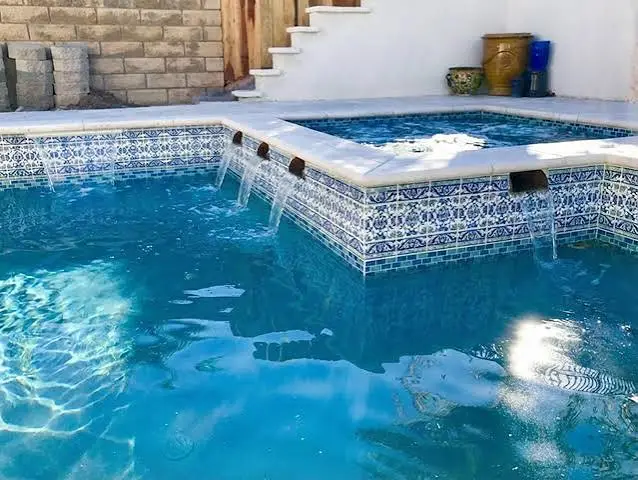
Reach Out For Your Free Quote
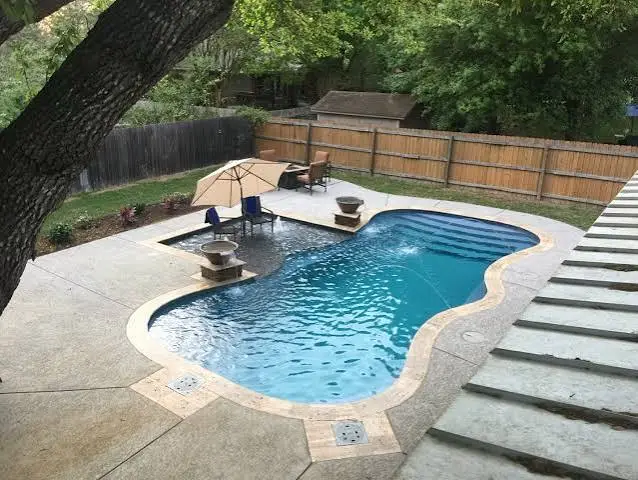
Professional Property Review
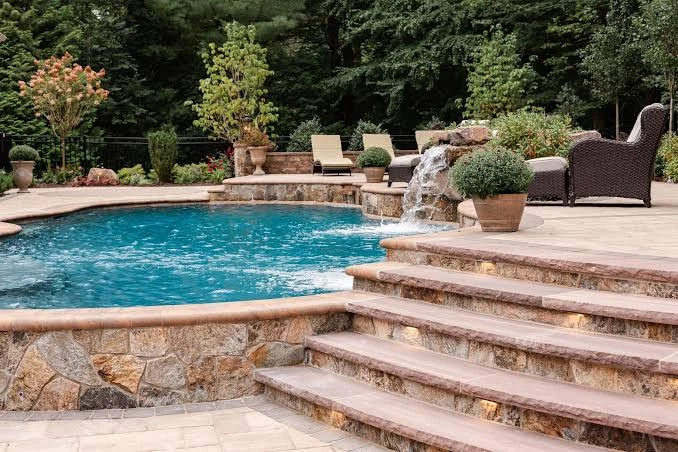
Honest Service Costs
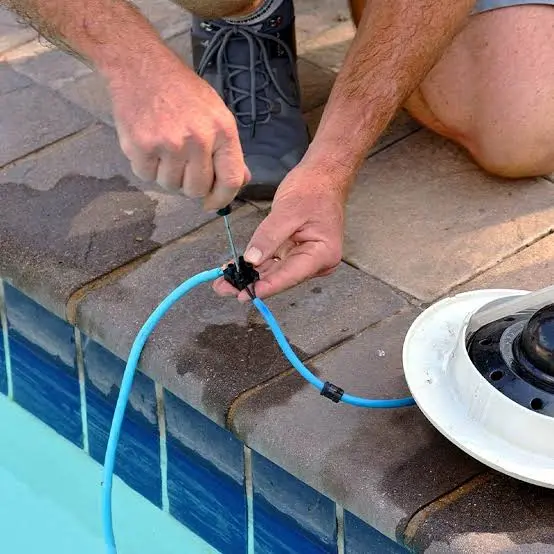
The Transformation Begins!
Pool water in this area runs hard, and that mineral content wears down plaster and finishes faster than in regions with softer water. Combined with long, hot Central Texas summers, pool surfaces here take on more stress than most manufacturers account for in standard lifespan estimates.
Pool Resurfacing Austin Tx has worked on pools in the Lakeway area since 2004. That means experience with the specific way local water and soil conditions affect pool surfaces — not just general resurfacing knowledge.
If your pool feels rough, shows staining, or is losing water faster than normal, a free inspection tells you what’s happening below the surface.
Pool Resurfacing Near Me
Professional Pool Resurfacing Services in Lakeway, Texas
Many pools built in this area in the 1990s and early 2000s are now reaching the end of their original finish’s service life. We handle the full range of resurfacing and related repair work that creates.
Pool Remodeling
A remodel makes sense when a pool has more than one issue at once — outdated tile, a cracked shell, shifting coping. One project instead of three separate repairs over three separate years. We start with a full inspection of the shell, plumbing, and equipment pad before recommending scope.
Pool Resurfacing
Resurfacing replaces the interior finish without changing the pool’s shape. Most jobs here start one of two ways: the finish has simply reached the end of its life, or mineral-heavy water has pitted the surface ahead of schedule. The process runs a few days from draining to refill; curing time is the part homeowners most often underestimate.
Pool Replastering
Replastering means resurfacing with a plaster finish specifically — still the most requested option because of cost. Local water conditions tend to push plaster toward the shorter end of its 7-to-15-year lifespan. We walk through water balance expectations before the job, not after, since that’s what determines how long the new surface actually lasts.
All Tile Pools
Full-tile interiors resist mineral buildup better than plaster, which is why they’re showing up more often in newer builds and higher-end renovations. The tradeoff is repair precision — matching existing grout lines and spacing takes more time than patching plaster.
Pool Skimmer Installs
A skimmer that’s undersized or poorly placed works harder against seasonal leaf debris, which shortens the life of the whole filtration system. We typically handle skimmer relocation or replacement while the pool is already drained for resurfacing, avoiding a separate cut into the shell later.
Pool Lights
Older pools often still run incandescent fixtures. Swapping to LED during resurfacing costs nothing extra in labor, since the conduit is already exposed.
Waterline Tile
The waterline band takes the most direct hit from sunscreen residue, body oils, and mineral scale. Once grout here fails, water can migrate behind the tile and undermine the finish below it — which is why we replace it during resurfacing rather than leaving a weak point at the water’s highest contact line.
Pool Coping
Cracked or shifted coping lets water behind the pool deck, and that often leads to deck heaving — a more expensive repair than coping alone. We check coping stability closely on any pool over 15 years old, even when the surface finish still looks fine.
Pool Crack Repair
A hairline crack in plaster is usually cosmetic and resolves with resurfacing. A crack that runs into the shell itself, especially one that widens seasonally with ground movement, needs structural repair first. Resurfacing over a structural crack just hides it until it reopens.
Pool Railings & Ladders
Anchor points for railings and ladders take repeated stress and are common leak points behind the finish. We reseal every anchor during resurfacing rather than reinstalling old hardware into a failing seal.
Pool Finish Options for Every Backyard
Finish choice matters more here than in regions with softer water, since some materials tolerate mineral buildup better than others.
White Plaster
The lowest upfront cost, and still the most common finish. Also the most prone to visible scaling if water chemistry isn’t kept consistent.
Quartz Finish
Ground quartz added to plaster increases surface hardness, giving better resistance to etching than standard plaster without the cost jump to pebble.
Pebble Finish
Pebble handles mineral buildup noticeably better than plaster and tends to hold its appearance longer between deep cleanings.
Pebble Tec® & Pebble Sheen®
The difference is pebble size — Pebble Tec® uses larger stones for more texture, Pebble Sheen® uses finer pebbles for a smoother feel. Durability is comparable between the two; the choice usually comes down to preferred texture.
Aggregate Pool Finishes
Aggregate blends materials like glass beads or mixed stone for more color and texture variety, with the same durability advantage as pebble.
All Tile Pools
The strongest option against mineral buildup, since tile doesn’t have a porous surface. Higher upfront cost is the main reason it’s less common on older homes, but increasingly requested on remodels aimed at avoiding another resurfacing cycle.
Common Signs Your Pool Needs Resurfacing
These signs show up faster in Barton Creek pools than in areas with softer water, due to calcium content and sustained summer heat.
Surface Cracking
Surface cracking often widens faster here than in areas with more stable soil, so what looks minor in spring can be more noticeable by fall.
Peeling Plaster
Peeling plaster means the bond between finish and shell has failed. It doesn’t self-correct — it spreads.
Rough Surface
A rough surface is one of the most common complaints we hear, and it’s usually the earliest sign a finish is failing, since it’s noticeable the moment someone gets in the pool.
Plaster Flaking
Plaster flaking is peeling at a more advanced stage — small chips breaking loose and settling on the pool floor. Finding flakes in the skimmer basket means the surface is past a patch repair.
Surface Wear
General surface wear builds slowly: a shift in texture, a slightly duller color. Easy to dismiss because it happens gradually.
Stains
Stains that don’t respond to chemical treatment usually mean the finish has become porous enough to absorb whatever’s in the water.
Water Loss
Water loss beyond the typical quarter inch per day is worth investigating rather than writing off as summer heat.
Concrete Exposure
Concrete exposure means the finish has worn through completely. This is past cosmetic — concrete isn’t built to hold water directly.
Surface Discoloration
Surface discoloration — patches or blotching — is often the first thing homeowners notice before anything else seems wrong.
Why Homeowners in Lakeway Choose Pool Resurfacing Austin Tx
Experience specific to this area
We’ve worked on Lakeway-area pools since 2004 — enough time to see how local water and soil conditions affect surfaces differently than they would elsewhere.
Licensed, Bonded, Insured
We carry the licensing required for pool construction and resurfacing work in Texas, with bonding and insurance protecting your property throughout the project.
Property protection during the job
Draining a pool and staging equipment near mature trees and root systems takes care. We manage runoff and equipment placement to avoid landscaping damage.
Minimizing downtime
We schedule around curing requirements to move as fast as the material allows, without cutting the cure time short.
Realistic timelines
You get a project timeline before work starts, with a buffer built in for summer heat or occasional weather delays.
Clear communication
You’ll know what stage the project is in at each point, from inspection findings through final refill.
Frequently Asked Questions About Pool Resurfacing in Lakeway, Texas
How long does pool resurfacing take?
Most projects run 3 to 7 days from draining to refill. Pebble and aggregate finishes generally need a longer cure than plaster before the pool can be safely filled.
How much does pool resurfacing cost in Lakeway, Texas?
Cost depends on pool size, current condition, and finish material. Plaster costs less upfront; pebble, quartz, and tile cost more but typically last longer here. A free inspection gives you an exact number.
How often should a pool be resurfaced?
Plaster typically needs resurfacing every 7 to 15 years, often toward the shorter end locally. Pebble and quartz tend to reach 15 to 20 years with consistent water balancing.
What is the difference between pool resurfacing and pool replastering?
Resurfacing is the broader category, covering plaster, pebble, quartz, or tile. Replastering refers specifically to a new plaster surface — one option within resurfacing.
Can pool resurfacing fix cracks and structural damage?
Surface cracks resolve with the new finish. Cracks reaching into the concrete shell need structural repair first, or they reappear through the new surface.
What pool finishes last the longest?
Pebble, quartz, and full-tile finishes generally outlast standard plaster here, resisting mineral scaling better. Tile lasts longest but costs more upfront.