
Pool Resurfacing Georgetown, Texas
Our Resurfacing/Remodeling Process
We value your schedule and work quickly!
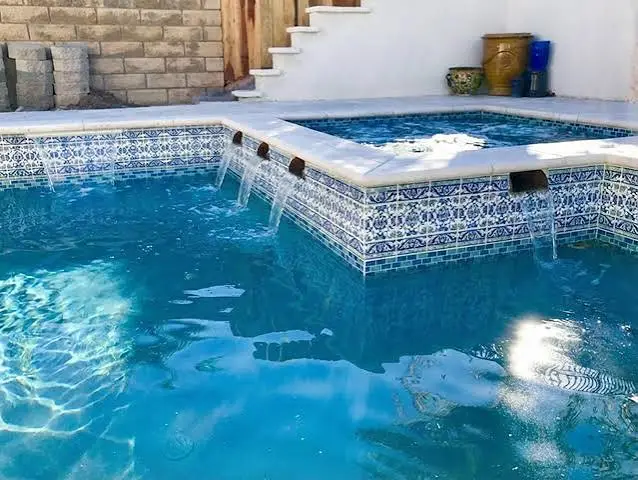
Reach Out For Your Free Quote
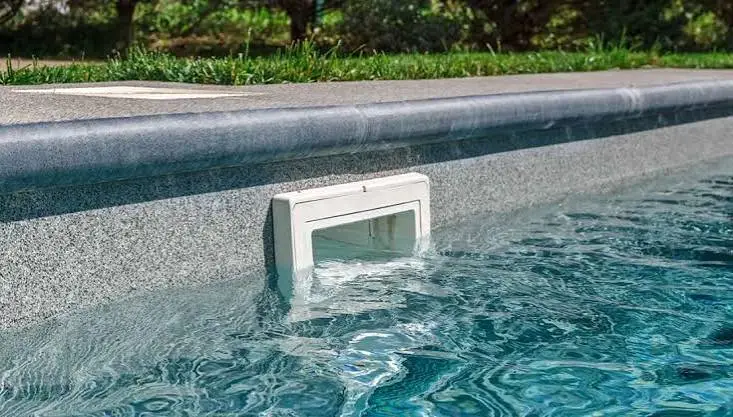
Professional Property Review
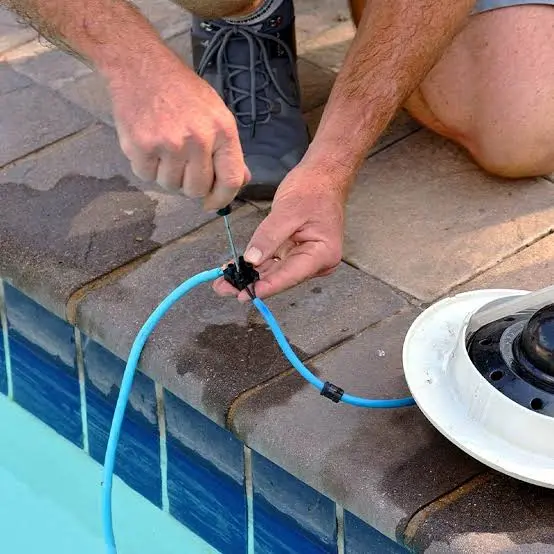
Honest Service Costs
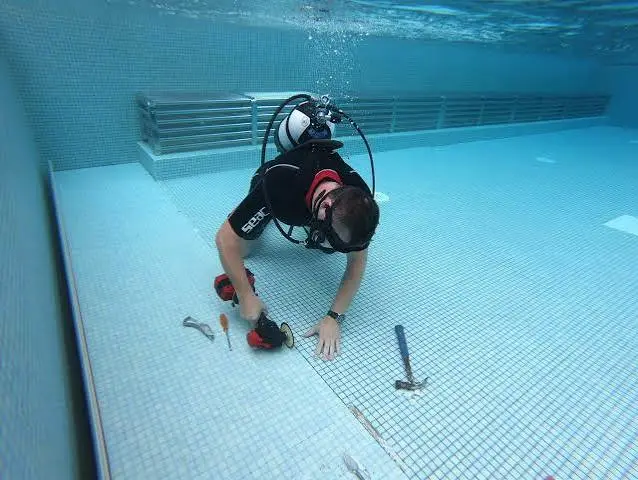
The Transformation Begins!
Professional Pool Resurfacing Services in Georgetown, Texas
Many Georgetown homeowners don’t notice a pool finish is failing until stains, rough patches, or a chalky white residue show up on the surface. By then, the damage has usually been building for a while.
Georgetown sits over limestone geology, which is known throughout Central Texas for producing harder water than many other regions. In our experience, that mineral content can speed up surface wear on pool finishes compared to areas with softer water. Add in long summer heat and occasional winter freezes, and pool surfaces here often show wear sooner than homeowners expect.
Pool Resurfacing Austin Tx has served Georgetown and the surrounding area since 2004. We inspect the pool shell, not just the surface, before recommending a fix. Our technicians are licensed, bonded, and insured, and every resurfacing job includes a written scope before work begins.
Pool Resurfacing Near Me
Our Pool Resurfacing & Remodeling Services in Georgetown, Texas
Most resurfacing calls in Georgetown start with one of two things. A surface that’s gone rough and chalky. Or a pool that’s losing water faster than it should.
What looks like a single problem is often two or three issues stacked together. Worn plaster. A cracked skimmer. Outdated waterline tile. All at once.
Below is how we approach each part of that, based on what we typically see during inspections.
Pool Remodeling
A full remodel usually comes up when a pool is structurally sound but everything else feels dated. Old tile colors. Dim or dead lighting. A layout that doesn’t match how the family uses the yard now.
We start every remodel with a structural check. Building new features on top of an already-compromised shell just moves the problem forward a few years.
Pool Resurfacing
Resurfacing means removing the worn top layer and applying a new finish over the existing shell. In our experience, finishes in hard water areas can wear faster than manufacturer estimates suggest, especially if water chemistry hasn’t been consistently managed.
If your pool hasn’t been resurfaced in over a decade and the surface feels gritty or shows a white mineral haze, it’s usually a resurfacing job rather than a chemical fix.
Pool Replastering
Replastering means applying a new layer of plaster to the pool’s interior. It’s the most affordable resurfacing option and one of the most common repairs we see on Georgetown pools.
Plaster is also the finish most affected by water chemistry. Depending on how well calcium levels have been managed, some plaster pools need attention before the typical 10-year mark.
All Tile Pools
Full-tile pools are less common in Georgetown but do show up in higher-end and custom builds. The failure point usually isn’t the tile — it’s the grout.
Grout tends to break down years before the tile itself does. Once water gets behind a section, individual tiles can start to loosen. We reseal and replace grout sections as a lower-cost alternative to full retiling when the tile is still in good shape.
Pool Skimmer Installs
A cracked or poorly seated skimmer is one of the more overlooked reasons a pool loses water. Homeowners often assume a slow leak is coming from the shell when it’s actually the skimmer housing.
We check skimmer condition on every resurfacing job. Replacing it during resurfacing typically costs less than a separate service call later.
Pool Lights
Pool lights sit inside a niche built into the shell. That niche needs to be resealed correctly during resurfacing, or water can work its way behind the fixture over time.
We remove lights before applying the new finish and reset them so the housing sits flush with the surface. This step is easy to rush, and it’s one of the more common callback issues we see on other contractors’ work.
Waterline Tile
Waterline tile takes on more wear than people expect. It sits exactly where sunscreen, body oil, and mineral deposits collect.
In our experience, this band often shows staining before the rest of the pool needs attention. Replacing it during a resurfacing project costs less than doing it as a standalone job later, since the pool is already drained.
Pool Coping
Coping problems usually start small. A hairline crack where the coping meets the deck. Depending on weather exposure and how the original coping was installed, water can work into that crack over time and push the coping away from the deck.
We see this most often on older poured concrete coping. It’s a repair that tends to get more expensive the longer it’s left alone.
Pool Crack Repair
Not all cracks mean the same thing. A thin surface crack in plaster is usually a cosmetic and water-loss issue.
A crack that follows a straight line across the shell is worth a closer look before resurfacing covers it up. We document crack patterns during inspection so homeowners understand which type they’re dealing with before we quote the job.
Pool Railings & Ladders
Railing anchors can corrode from the inside out. That means a railing can look solid while the anchor underneath the deck has already weakened.
We test anchor points during every inspection, not just when a homeowner mentions a wobble. A failed anchor is a safety issue, not just a cosmetic one.
Pool Finish Options for Every Backyard
The right finish depends less on personal taste and more on how the pool is used, how much maintenance the homeowner wants to do, and how local water conditions will interact with the material over time.
White Plaster
White plaster is the standard finish and the most affordable to install. It’s also the most sensitive to water chemistry.
In hard water conditions, plaster is more prone to calcium scaling without regular balancing. Expect a lifespan in the 7 to 10 year range, on the shorter end if maintenance is inconsistent.
Quartz Finish
Quartz-blended plaster tends to hold up better against staining and scaling than standard plaster. It costs more upfront.
In our experience, quartz finishes generally reach the 12 to 15 year range before needing replacement, meaning fewer resurfacing cycles over the life of the pool.
Pebble Finish
Pebble finishes are one of the most common upgrades we install for homeowners tired of resurfacing every 7 to 8 years. The exposed aggregate surface tends to resist scaling and roughness better than plain plaster.
Most pebble finishes we see last 15 to 20 years with consistent water maintenance.
Pebble Tec® & Pebble Sheen®
These are branded pebble products with different aggregate sizes. Pebble Tec® uses larger pebbles for a more textured surface. Pebble Sheen® uses finer pebbles for a smoother feel underfoot.
The practical difference is grip versus smoothness on steps and benches — worth considering for households with young kids or older adults using the pool regularly.
Aggregate Pool Finishes
Aggregate finishes mix in materials like glass beads or specialty stone for color depth and light reflection. They cost more than standard pebble.
Homeowners typically choose these for appearance rather than a meaningful durability gain over standard pebble.
All Tile Pools
Full tile is generally the most durable finish available and the least likely to need resurfacing on the timeline other finishes require.
The tradeoff is higher upfront cost, and grout maintenance becomes an ongoing task rather than a one-time application.
Common Signs Your Pool Needs Resurfacing
Most of these signs develop slowly. Homeowners often adjust to them without realizing the surface is failing. Once several show up together, the finish is usually past the point where a chemical treatment will fix it.
Surface Cracking
Fine cracks in plaster typically start at stress points — corners, steps, and areas near return jets. On their own, they’re often cosmetic. Left alone, they tend to widen over time and allow water loss.
Peeling Plaster
Peeling usually traces back to how the original plaster was applied. Poor bonding to the shell, or plaster troweled during unfavorable weather, are common causes. Once it starts, it tends to spread faster than most other surface issues.
Rough Surface
A surface that’s gone from smooth to sandpaper-like is showing the effects of mineral etching on the top layer. This is one of the more common complaints we hear from homeowners in hard water areas.
Plaster Flaking
Flaking is peeling in an advanced stage. Small chips break away and expose the layer underneath. At this point, the surface is no longer protecting the shell the way it should.
Surface Wear
High-traffic zones — steps, benches, and the shallow end — tend to wear down faster than the rest of the pool. Thin plaster in these areas is more likely to crack or stain first.
Stains
Not every stain means resurfacing. Metal stains from irrigation runoff or old equipment can sometimes be treated. Widespread, uneven staining across the whole surface usually points to plaster that’s aged past the point of chemical correction.
Water Loss
Losing noticeably more water than normal evaporation is worth investigating. In our experience, this is roughly split between skimmer or plumbing issues and actual shell or surface cracks, which is why we check both during inspection.
Concrete Exposure
When the finish has worn away completely and the gray concrete shell is visible, the pool is no longer protected. This is the point where resurfacing shifts from a cosmetic decision to a necessary one.
Surface Discoloration
Blotchy or uneven color across the surface often signals uneven aging, sometimes tied to inconsistent original application or long-term water imbalance. It’s usually a visual warning sign before rougher texture issues appear.
Why Homeowners in Georgetown Choose Pool Resurfacing Austin Tx
Homeowners choosing a resurfacing contractor are usually weighing price against how confident they feel the work will hold up through a Texas summer and the winter that follows. Here’s what we bring to that decision.
Licensed, Bonded, Insured
We carry the licensing, bonding, and insurance required to work on residential pools in Texas. This protects homeowners if anything goes wrong on the property during the project.
Experienced Pool Technicians
We’ve served Georgetown and the surrounding area since 2004. Our technicians work across plaster, quartz, pebble, and tile finishes, and have handled the issues that tend to come up in hard water regions — calcium scaling, faster-than-expected plaster wear, and coping damage from seasonal temperature swings.
Warranty
Workmanship is covered under warranty after the project is complete. If an issue traces back to how the work was done rather than normal wear, we address it.
Clean Job Site
Resurfacing involves draining a pool, removing old material, and applying new finish. We keep equipment and debris contained and clean up the work area at the end of each day, not just at project completion.
Respectful Team
Our crew works on your property, not just your pool. That means clear communication about access, timing, and any adjustments needed during the project.
Timely Completion
We give homeowners a realistic timeline upfront, based on finish type and current weather. If anything shifts that timeline, we communicate it immediately.
Communication
Homeowners get updates at each stage. After inspection. Before draining. During application. At final walkthrough. No surprises about project status.
Frequently Asked Questions About Pool Resurfacing in Georgetown, Texas
What is the best pool finish for durability?
Pebble and tile finishes tend to hold up longest against local water conditions. Plaster is the most affordable but the most sensitive to mineral-heavy water, so it’s a tradeoff between upfront cost and how often you’ll need to resurface again.
How much does pool resurfacing cost in Georgetown, Texas?
Cost depends on pool size, current surface condition, and finish type. Plaster is the lowest-cost option. Pebble and tile cost more upfront but tend to last longer, which affects total cost over time. We provide a written quote after an in-person inspection, since hidden issues like coping damage or structural cracks can change the scope.
How often should a pool be resurfaced?
In our experience, plaster in hard water areas often needs attention before the typical 10-year estimate quoted elsewhere, though this depends heavily on water chemistry maintenance. Quartz generally holds up 12 to 15 years, and pebble finishes 15 to 20 years, with consistent care.
Can pool resurfacing fix cracks and leaks?
Surface cracks are addressed as part of the resurfacing process. Cracks that follow a straight structural line need a closer inspection before we resurface over them — covering a structural issue without addressing it first tends to delay a bigger repair rather than solve it.
How long does the pool stay closed during resurfacing?
Most projects take one to two weeks from draining to final cure, depending on finish type and weather. Warmer weather can shorten curing time; cooler temperatures may extend it.
Is pool replastering different from resurfacing?
Replastering is one type of resurfacing — specifically, applying a new plaster coat. Resurfacing is the broader category that also includes quartz, pebble, and tile finishes.
Do you serve areas outside Georgetown, Texas?
Yes. We’ve worked throughout Georgetown and the surrounding Central Texas area, including greater Austin, since 2004.