
Pool Resurfacing Kyle, Texas
Our Resurfacing/Remodeling Process
We value your schedule and work quickly!
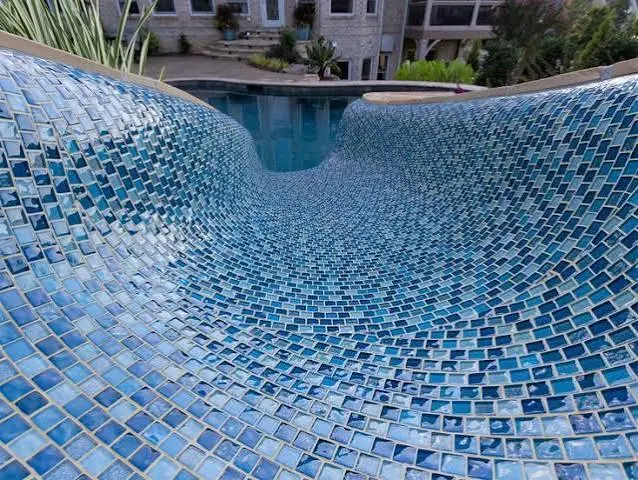
Reach Out For Your Free Quote
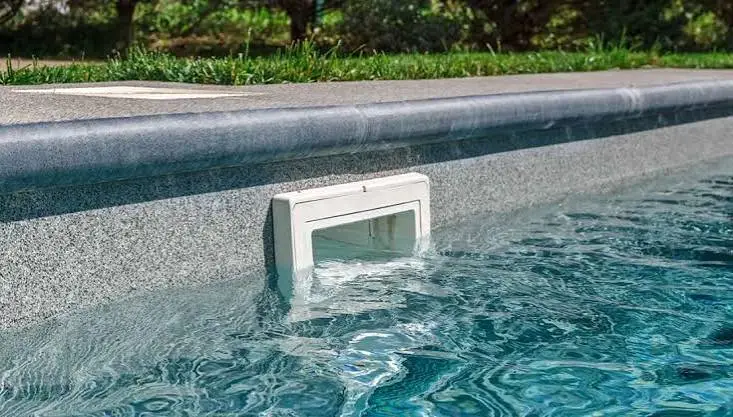
Professional Property Review
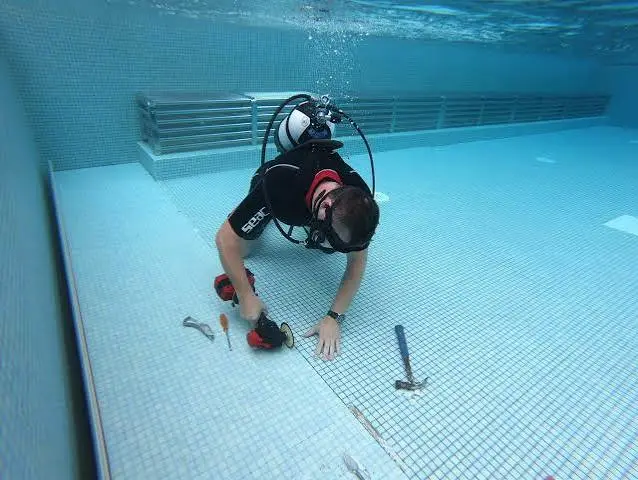
Honest Service Costs
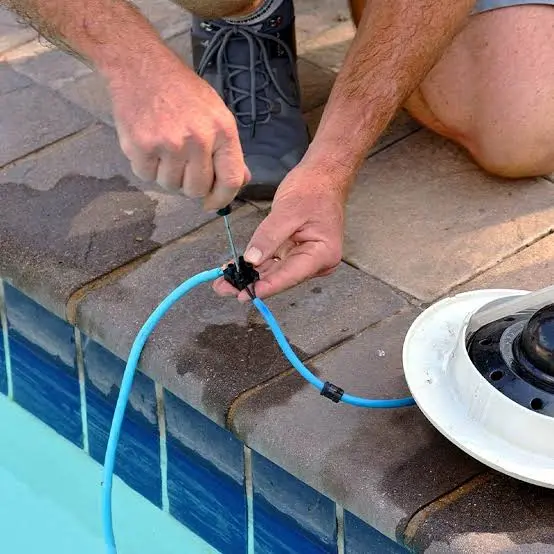
The Transformation Begins!
Pool plaster lasts 7 to 15 years on average, but that range shifts fast in Central Texas. Hard water, high calcium content, and intense summer UV exposure wear down finishes faster here than in milder climates. Add in the expansive clay soils common around Kyle, and you get a second problem: ground movement that stresses the pool shell itself, not just the surface.
Pool Resurfacing Austin Tx has worked on pools throughout the Austin and Kyle, Texas area since 2004. We provide pool resurfacing, replastering, remodeling, tile work, and structural crack repair for homeowners near Kyle Boulevard, Crystal Creek Drive, and Southwest Parkway.
A worn pool surface isn’t only a cosmetic problem. Rough plaster cuts feet. Cracked shells lose water, which raises utility bills and, if the crack reaches rebar or the shell’s structural layer, gets more expensive to fix the longer it sits. We offer free pool inspections for homeowners who want a straight answer on what’s actually happening under the surface before they commit to a project.
Pool Resurfacing Near Me
Professional Pool Resurfacing Services in Kyle, Texas
Pools in this area don’t age uniformly. A pool built in the early 2000s off Kyle Boulevard often shows different wear patterns than one built in the last ten years, largely because plaster mix standards and rebar placement practices have changed. We inspect each pool’s construction era and condition before recommending a service path, rather than applying the same fix to every job.
Resurfacing, Replastering, and Remodeling
Resurfacing, replastering, and remodeling cover the core of what most homeowners need. Resurfacing replaces the pool’s interior finish once it wears past the point of chemical treatment or spot repair. Replastering is the traditional version of this, using a cement-based plaster coat over the concrete shell. Remodeling goes further, addressing structural changes like reshaping steps, extending a tanning ledge, or updating the pool’s footprint alongside the new finish. We often find that what a homeowner describes as “just resurfacing” turns into a small remodel once we’re inspecting the shell, because coping, tile, and finish age at different rates and it’s more efficient to address them together.
Tile work
Tile work — waterline tile and all-tile pools — comes up constantly in hard water areas. Waterline tile exists specifically to protect the plaster edge from scale buildup, and in Kyle, that scale forms faster than in areas with softer water. When we replace waterline tile, we check the plaster line just below it, since that’s usually the first place calcium deposits eat into the finish. For pools using tile across the full interior, we handle complete replacement and can match an existing pattern when the original tile is still in production, or help homeowners choose a comparable option when it isn’t.
Pool equipment tied to the shell
Pool equipment tied to the shell — skimmers, lights, coping, and railings — often needs attention during a resurfacing project, even if that wasn’t the original reason for the call. Skimmer housings crack from the same ground movement that cracks plaster, since both are anchored into the same shell. Coping lifts or shifts for the same reason; expansive clay soil around Kyle swells during wet periods and contracts during drought, and that constant movement stresses whatever’s anchored to the pool’s edge. Pool lights, since they’re embedded in the wall, are more efficient to replace while the surface is already open rather than as a separate service call later.
Structural crack repair
Structural crack repair gets handled before any new finish goes on, not after. A hairline crack can be cosmetic checking from plaster curing, or it can be the early stage of shell separation. We’ve found that cracks near the shallow end steps or around light niches are more often structural, since those are stress points in the original pour. Applying new plaster over an unaddressed structural crack doesn’t fix anything — it just hides the problem until it reappears, usually within a season or two.
Ladders and Railings
Ladders and railings wear from a combination most homeowners don’t expect: chlorinated water plus UV exposure degrades anchor points faster than either factor alone. We check anchor integrity, not just surface rust, before deciding whether a railing needs replacement or just refinishing.
Pool Finish Options for Every Backyard
Finish choice matters more in Kyle than in areas with softer water, because calcium hardness affects how each finish holds up over time. Here’s how the main options compare.
White Plaster
White plaster is the standard, most affordable finish. It’s smooth, familiar, and the option most Kyle pools already have. The trade-off: in hard water conditions, white plaster is more prone to visible calcium scaling and can show discoloration sooner than aggregate options — often closer to the 7-year mark than the 10-year mark if water chemistry isn’t maintained consistently.
Quartz Finish
Quartz finish mixes ground quartz into the plaster base, which adds surface hardness and resists staining better than plain white plaster. It comes in more color options too, which helps mask the early stages of mineral buildup that shows clearly on white plaster.
Pebble Finish
Pebble finish, including branded options like Pebble Tec® and Pebble Sheen®, uses small natural pebbles embedded in the plaster. This is the most durable finish category for this region — the added density resists both cracking from ground movement and surface wear from hard water. Pebble Tec® uses larger pebbles for more texture; Pebble Sheen® uses smaller pebbles for a smoother feel while keeping the same durability advantage. The cost is higher upfront, but for pools that have already gone through two or three plaster cycles, pebble often works out cheaper over a 20-year span.
Aggregate Finishes
Aggregate finishes broadly cover any plaster mixed with quartz, glass, or pebble material. Where a pool falls on the aggregate spectrum affects both cost and how well it holds up against Central Texas water conditions.
All Tile Pools
All-tile pools are the longest-lasting option, often running 20 years or more before needing attention. Tile doesn’t scale the way plaster does, since it’s non-porous, which matters in a hard water area. The upfront cost is higher, but homeowners avoid the resurfacing cycle almost entirely.
Common Signs Your Pool Needs Resurfacing
Some of what we see in Kyle pools traces directly back to two local factors: hard water mineral buildup and ground movement from expansive clay soil. Knowing which one is causing a symptom changes the fix.
Surface Cracking
Surface cracking, or checking, is common as plaster ages and is usually cosmetic on its own. But in this area, we pay close attention to crack patterns that follow a straight line rather than a spiderweb pattern — straight-line cracking is more often linked to shell movement from soil conditions, not just plaster aging.
Peeling Plaster
Peeling plaster happens when the finish separates from the concrete shell underneath, often from a bonding issue during the original installation or from years of chemical imbalance. Once plaster starts peeling in one section, it usually spreads, since the exposed edge gives water more surface area to work into.
Rough Surface
Rough surface texture is one of the most common calls we get in this area specifically. What feels like normal aging plaster is sometimes calcium scaling from hard water sitting on the surface — a different problem than worn plaster, and one that a water chemistry adjustment can sometimes slow down before full resurfacing is needed.
Plaster Flaking
Plaster flaking shows up as small chips breaking off, usually visible on pool steps or the floor first. This points to weakened structural bonding in the plaster layer itself.
Surface Wear
Surface wear is the general, gradual thinning of the finish from years of sun, swimming, and chemical exposure. Texas summers accelerate this compared to regions with shorter, milder pool seasons.
Stains
Stains come from metals in the water — iron and copper are common — or from mineral deposits building up unevenly. Some staining responds to chemical treatment; deep or spreading stains usually mean the finish has already broken down underneath.
Water Loss
Water loss beyond normal evaporation often points to a shell crack or plumbing leak rather than a surface issue. We rule out structural causes before recommending any surface work, since resurfacing won’t fix a leak coming from below the finish.
Concrete Exposure
Concrete exposure happens once plaster wears through completely. Exposed concrete is porous, absorbs water and chemicals unevenly, and accelerates damage to the rest of the shell the longer it’s left untreated.
Surface Discoloration
Surface discoloration can come from algae, but in hard water areas it’s just as often mineral buildup creating a cloudy or chalky look across the surface, distinct from staining caused by metals.
About Pool Resurfacing Austin Tx
We’ve worked on pools in the Austin and Kyle, Texas area since 2004, long enough to see how plaster installed in the early 2000s ages differently than plaster installed with today’s mix standards.
Every project starts with an inspection, not a quote. We check the shell for structural cracks, assess the current finish’s condition, test water chemistry where relevant, and look at coping, tile, and equipment anchored to the pool structure. That inspection determines whether a homeowner needs a straightforward resurfacing job or something closer to a remodel.
Once we recommend a finish, we walk through the trade-offs specific to the property — water hardness, sun exposure, how the pool is used — rather than defaulting to the same recommendation for every pool. Central Texas water conditions affect finish longevity enough that this step matters.
During the project, surface preparation is where most of the work’s long-term success gets decided. We strip the old finish, repair any shell damage found during inspection, and prepare the surface properly before the new finish goes on. Rushing this stage is the most common reason resurfacing jobs fail early.
After the new finish is applied, curing time and initial water chemistry matter as much as the application itself. New plaster is vulnerable to staining and uneven curing if the water isn’t balanced correctly in the first few weeks. We provide guidance on water chemistry and initial maintenance so the new finish starts its lifespan the right way, rather than showing problems within the first year.
Why Homeowners in Kyle Choose Pool Resurfacing Austin Tx
Licensed
We operate as a licensed pool contractor under Texas requirements for pool construction and remodeling work.
Bonded
Our contractor’s bond gives homeowners financial protection tied directly to the work performed on their property.
Insured
We carry liability insurance covering our work on-site, which reduces the homeowner’s risk during the project.
Experienced with local conditions
Since 2004, we’ve worked on pools across a range of construction eras and soil conditions specific to the Austin and Kyle area — not a generic service area. That means fewer surprises during inspection and more accurate recommendations upfront.
Clean job site
We keep materials organized and clean up after each work session, since a pool resurfacing project already disrupts a homeowner’s backyard enough without added mess.
Respectful, communicative team
Our technicians update homeowners on progress daily, including any findings during the project — like an unexpected structural crack — before proceeding further.
Realistic timelines
We give homeowners a project timeline upfront that accounts for Texas weather and proper plaster curing time, rather than promising a schedule that gets pushed back once work starts.
Frequently Asked Questions About Pool Resurfacing in Kyle, Texas
How long does pool resurfacing take?
Most projects take 3 to 7 days from prep to finish. Plaster curing time adds to this — the pool typically can’t be used normally for at least a week after the new finish is applied.
How much does pool resurfacing cost in Kyle, Texas?
Cost depends on pool size, current condition, and finish choice. Standard plaster costs the least upfront; pebble and full tile finishes cost more but last longer. We provide a written quote after inspection, since pricing without seeing the pool’s actual condition isn’t accurate.
How long does a new pool finish last?
White plaster typically lasts 7 to 10 years in this region, sometimes less if water hardness isn’t managed consistently. Quartz and pebble finishes generally last longer due to added density. Full tile can last 20 years or more.
Can you match my existing waterline tile?
Often, yes. If the original tile is discontinued, we help select a close match or a coordinating style rather than leaving a mismatched section.
Do you repair pool cracks before resurfacing?
Yes, always. We inspect crack depth and pattern first. Straight-line cracks tied to shell movement get repaired structurally before any new finish is applied — skipping this step means the same crack shows up again in the new surface.
What is the difference between plaster and pebble finishes?
Plaster is a smooth, cement-based finish. Pebble finish embeds small natural pebbles into the plaster, adding texture and durability. Pebble costs more but resists both hard water scaling and cracking better over time.
Is pebble worth the extra cost over plaster?
For pools that have already gone through one or two plaster cycles, often yes. The higher upfront cost tends to even out over a 15-to-20-year span, especially in hard water conditions where plaster scales faster.
Why is my plaster rough after only six years?
This is usually calcium scaling from hard water, not just plaster aging. It can feel like premature wear but is often a water chemistry issue that accelerated the surface’s natural aging.
Can resurfacing fix leaks?
Only if the leak is coming from the surface finish itself. Leaks from shell cracks or plumbing need to be repaired separately before resurfacing, since a new finish won’t stop water loss coming from underneath it.
What's the best finish for hard water?
Pebble and quartz finishes generally hold up better against calcium scaling than standard white plaster, since their added density resists mineral buildup more effectively.
Do you need to fully drain the pool for resurfacing?
Yes, resurfacing requires a full drain to prep and apply the new finish properly. We time draining and refilling to minimize the number of days the pool is out of commission.