
Pool Resurfacing Marble Falls, Texas
Our Resurfacing/Remodeling Process
We value your schedule and work quickly!
Reach Out For Your Free Quote
Professional Property Review
Honest Service Costs
The Transformation Begins!
Marble Falls sits in the Texas Hill Country, where hard, limestone-heavy water and long summer heat put extra strain on pool surfaces. Plaster in this region tends to scale faster than in areas with softer water, and constant UV exposure fades color and weakens the surface earlier than the manufacturer’s stated lifespan.
Pool Resurfacing Austin Tx has provided pool resurfacing and remodeling services since 2004. Our technicians work on pools throughout Marble Falls and the surrounding Hill Country, including properties near Marble Falls Boulevard, Crystal Creek Drive, and Southwest Parkway.
Most calls we get start the same way: a homeowner notices rough patches, a stain that won’t scrub out, or a pool that’s losing water faster than evaporation explains. Some of these issues are cosmetic. Some point to a cracked shell or failing coping. We inspect before we quote, because guessing at the cause leads to the wrong repair.
Request a free pool inspection and we’ll walk the site, check the shell, coping, and equipment, and tell you plainly what’s wearing out versus what’s failing. You’ll have a written quote within a set timeframe after the visit — no waiting weeks to hear back.
Pool Resurfacing Near Me
Pool Remodeling & Resurfacing Services We Provide
Marble Falls pools built in the last two to three decades are now reaching the age where plaster, coping, and tile typically need attention at the same time. Below is what we handle, and where each service usually fits into a project.
Pool Remodeling
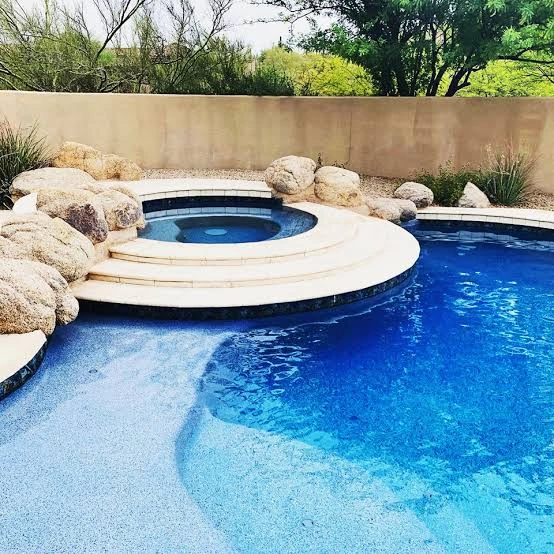
Remodeling changes more than the surface. It can mean reshaping steps, extending a tanning ledge, replacing outdated tile, or updating the whole look of a pool that no longer matches how the backyard gets used. We see this most often in pools over 15 years old, where the finish, coping, and equipment are all due for replacement around the same time — it makes sense to address them together rather than one at a time.
Pool Resurfacing
Resurfacing replaces the interior finish — the layer that actually holds water and takes daily wear. In the Hill Country, hard water accelerates scaling on plaster surfaces, which is why we see finishes here wear closer to the 7-to-10-year mark rather than stretching toward 15. Once the surface roughens or stains persist despite normal cleaning, resurfacing is usually the more cost-effective path compared to repeated chemical treatments that only mask the problem.
Pool Replastering
Replastering is the process most homeowners picture when they think of resurfacing: draining the pool, removing the old plaster down to the shell, and applying a new layer. We chip out old material by hand around fittings and corners rather than relying solely on machine work, since that’s where most bonding failures start on older pools.
All Tile Pools
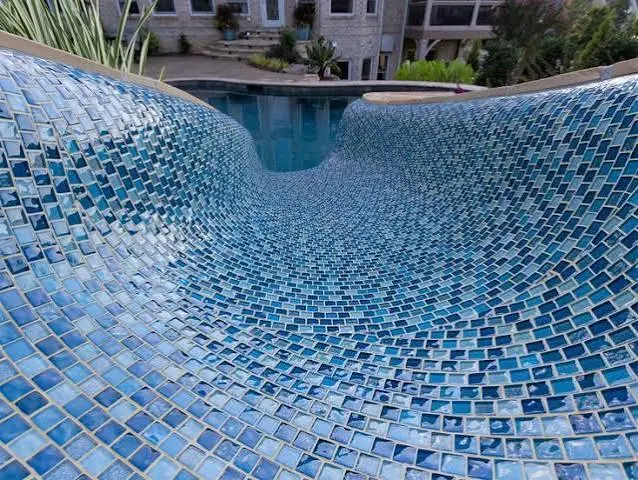
Fully tiled pools hold up differently than plastered ones. Damage shows up as cracked grout lines or tile that’s come loose, often at the waterline or around steps where movement is greatest. Matching older tile lines is sometimes possible; other times a discontinued pattern means updating a section or the full interior. We’ll tell you honestly which situation you’re in before quoting.
Pool Skimmer Installs
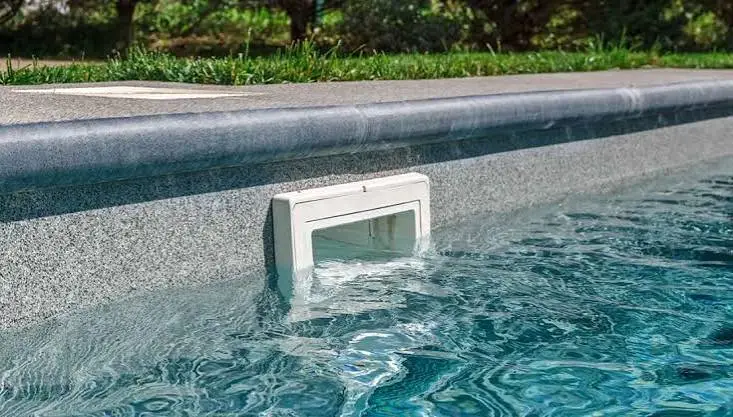
A skimmer that’s set too high or too low won’t pull debris consistently, and that shows up later as strain on the pump and cloudier water. We install and reposition skimmers during resurfacing, since the shell is already open and adjustments don’t require a separate excavation later.
Pool Lights
Older incandescent pool lights run hotter and draw more power than current LED fixtures, and in our experience they’re also the more common source of a failed light seal over time. We replace fixtures during resurfacing while the wall penetration is already accessible, which avoids a second service call down the road.
Waterline Tile
The waterline band takes the brunt of sunscreen residue, body oils, and — in this area — mineral deposits from harder water. It’s usually the first tile to discolor, even when the rest of the pool looks fine. Replacing it alongside a new finish gives a cleaner result than patching it separately later.
Pool Coping
Coping caps the pool edge and ties the shell to the deck. In Hill Country soil, seasonal ground movement from wet and dry cycles can shift coping slightly over the years, which shows up as small gaps or uneven joints before any cracking is visible. We check for this kind of movement specifically, not just surface wear, before recommending a repair.
Pool Crack Repair
Most cracks we inspect in Marble Falls pools are surface-level — cosmetic checking in the plaster that doesn’t threaten the shell. Occasionally, we find movement that extends into the concrete itself, usually near steps or corners where stress concentrates. That kind of crack needs structural repair, sometimes with epoxy injection, before any new finish goes on. Resurfacing over an unaddressed structural crack just hides the problem temporarily.
Pool Railings & Ladders
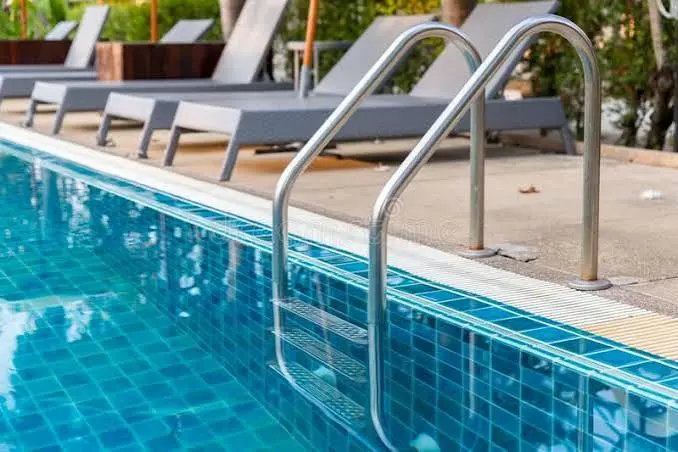
Anchor points corrode faster than most homeowners expect, especially on pools that have gone through more than one resurfacing without the hardware being checked. We test anchor stability and deck attachment before reinstalling, rather than assuming existing anchors are still sound.
Pool Finish Options for Every Backyard in Marble Falls
The finish you choose affects appearance, feel, and how often you’ll be back here for resurfacing. Hard water in this area tends to shorten the practical lifespan of every finish type somewhat, but the difference between options still matters.
White Plaster
The standard, lower-cost finish. Smooth underfoot, but the most prone to visible scaling in hard water areas like Marble Falls. Expect resurfacing again in 7 to 10 years locally, on the shorter end of the typical range.
Quartz Finish
Plaster blended with ground quartz for added hardness. It resists staining better than plain white plaster and holds color longer under UV exposure — a meaningful difference in a region with this much direct summer sun.
Pebble Finish
A textured, natural-pebble surface that stands up well to heavy pool use. This is the finish we recommend most often for pools that get daily swimming rather than occasional use, since it resists wear better than plaster or quartz alone.
Pebble Tec® & Pebble Sheen®
Two branded pebble-aggregate systems. Pebble Sheen® uses finer pebbles for a smoother feel; Pebble Tec® uses a coarser mix with more texture. Both outlast standard plaster, and the color retention holds up noticeably better than plaster under the Hill Country sun.
Aggregate Pool Finishes
A broader category that includes quartz, pebble, and glass-bead blends. These finishes resist the mineral scaling that hard water causes faster than plain plaster does, which is part of why we see more homeowners upgrading to aggregate on their second or third resurfacing.
All Tile Pools
The most durable option against staining and chemical exposure, and the least affected by hard water scaling. Installation and repair cost more upfront, but the interval between major work stretches out considerably compared to plaster-based finishes.
Common Signs Your Pool Needs Resurfacing
Surface Cracking
Fine cracks in the plaster are usually the earliest visible sign. In this region, they often start around areas that see the most direct sun exposure, where the finish dries and contracts unevenly over time.
Peeling Plaster
The finish separates from the shell underneath. Once this starts, the exposed area tends to spread faster, since water gets underneath the remaining plaster.
Rough Surface
A surface that’s gone from smooth to abrasive has usually lost its top layer to scaling. Hard water speeds this up — it’s one of the more common early complaints we hear from Marble Falls homeowners specifically.
Plaster Flaking
Small pieces breaking away from the surface. This means the plaster has stopped bonding properly to the shell and won’t hold up to further patching.
Surface Wear
General thinning, fading, and texture loss from years of water exposure and UV. Expected with age, but worth inspecting once it becomes visible rather than waiting.
Stains
Metal content in fill water, algae, or mineral buildup from hard water all cause staining. Some lift with treatment; persistent staining usually means the surface has become porous.
Water Loss
Losing more water than evaporation accounts for often points to a crack in the shell or a coping or plumbing issue — not something to leave unchecked, since it can indicate a structural problem rather than a cosmetic one.
Concrete Exposure
Once plaster wears through completely, the bare shell is exposed to pool chemicals directly. This accelerates damage and should be addressed before it spreads.
Surface Discoloration
Uneven color across the surface, separate from staining, often signals the finish is aging unevenly and approaching the end of its service life.
What to Expect During Your Pool Resurfacing Project
Requesting a quote: Submit the form or call, and we’ll schedule an on-site inspection. You’ll get a written quote after that visit, not a phone-estimate guess.
Protecting your property: We use ground protection and tarping around the work area to keep plaster dust and equipment off landscaping and decking.
Noise and timing: Demolition and surface prep are the loudest stages, typically lasting one to two days depending on pool size. Most of the remaining work is quieter.
Permits: Resurfacing generally doesn’t require a permit, but larger remodeling work — reshaping the shell, adding features, or major electrical work for lighting — may. We handle permit requirements as part of remodeling quotes.
Weather: Plaster application requires dry conditions. Rain during the curing window can delay the schedule by a day or two; we build minor weather delays into the timeline rather than promising a fixed date regardless of conditions.
Matching existing tile: We’ll tell you upfront whether your current waterline or accent tile is still available. Discontinued patterns sometimes require a full retile of that section for a consistent look.
Swimming after resurfacing: New plaster needs a brushing and chemical balancing period before regular swimming. We provide a specific timeline based on the finish type at project completion, since curing time varies by material.
Maintenance after resurfacing: New plaster is more chemically sensitive during the first several weeks. We provide water balancing guidance for this period, since improper chemistry early on is one of the more common causes of premature wear.
Why Homeowners in Marble Falls Choose Pool Resurfacing Austin, TX
We’ve worked on pools throughout the Hill Country since 2004, which means we’ve seen how local water and climate affect surfaces differently than pools in other parts of Texas.
Experienced Pool Technicians
Our technicians have worked across a range of pool ages, finishes, and repair situations specific to this region, from hard-water scaling to Hill Country ground movement affecting coping.
Licensed, Bonded, Insured
We operate as a licensed, bonded, and insured pool contractor, which protects you throughout the project.
Clean Job Site
Plaster and demolition work creates dust and debris. We contain and clean the work area throughout the project, not just at the end.
Respectful Team
Our technicians work on your property, often while you’re home. We expect clear communication and respect for your space every day of the project.
Timely Completion
We provide a schedule before work starts and account for realistic factors — like weather delays — rather than promising a date we can’t consistently hit.
Clear Communication Throughout the Project
You’ll know what we found during inspection, what the repair plan involves, and what’s happening at each stage, without having to ask.
Frequently Asked Questions About Pool Resurfacing in Marble Falls, Texas
How long does pool resurfacing take?
Most projects run one to two weeks from drain to refill. Structural repairs, tile replacement, or equipment upgrades can extend that timeline.
How much does pool resurfacing cost in Marble Falls, Texas?
Cost depends on pool size, current condition, and finish selected. Plain white plaster costs less than quartz, pebble, or tile. Structural repairs — crack repair, coping replacement — add to the total. We provide a written quote after inspection rather than a phone estimate.
How often should a pool be resurfaced?
Plaster typically needs resurfacing every 7 to 10 years in this area, on the shorter end of the general 7-to-15-year range, due to harder local water. Aggregate and tile finishes generally last longer.
What is the difference between pool resurfacing and pool replastering?
Resurfacing is the broader category, covering plaster, quartz, pebble, or aggregate replacement. Replastering refers specifically to applying a new plaster finish. Replastering is one method within resurfacing.
Can pool coping and waterline tile be replaced during resurfacing?
Yes. Since the pool is already drained and accessible, replacing coping and waterline tile at the same time is more efficient than doing it as a separate project later.
Do you offer free pool inspections in Marble Falls?
Yes. We inspect the surface, shell, and coping, identify the cause of any damage, and recommend a plan based on what we find on-site.
What pool finish lasts the longest?
Tile lasts the longest overall, followed by aggregate finishes like pebble and quartz. Plain plaster has the shortest interval, especially given local water conditions. The right choice depends on budget and how long you plan to own the property.
Can you resurface without replacing the tile?
In most cases, yes. If the existing tile is in good condition and not discontinued, we can resurface the plaster or aggregate finish without touching the tile. We’ll confirm this during inspection.
How long before I can swim after resurfacing?
This depends on the finish. Plaster generally needs a brushing and chemical balancing period before regular swimming; aggregate and tile finishes have their own curing requirements. We give you an exact timeline at project completion.
Does resurfacing fix leaks?
Resurfacing addresses the surface finish, not necessarily the cause of a leak. If water loss traces back to a structural crack or plumbing issue, that needs to be repaired separately, sometimes before resurfacing goes forward.
Which finish holds up best to Texas heat and hard water?
Aggregate finishes and tile hold color and surface integrity better under UV exposure and hard water than plain white plaster. If long-term durability matters more than upfront cost, these are worth the difference.
Can you resurface a pool in winter?
Yes, though plaster curing is temperature-sensitive. We adjust scheduling around forecasted conditions to avoid curing issues, and cooler months can actually mean more flexible scheduling than peak summer.
How do I maintain a new plaster finish?
Balanced water chemistry matters most in the first several weeks after resurfacing. We provide specific guidance on brushing frequency and chemical levels at handoff, since early imbalance is a common cause of premature wear.