
Pool Resurfacing Leander, Texas
Our Resurfacing/Remodeling Process
We value your schedule and work quickly!
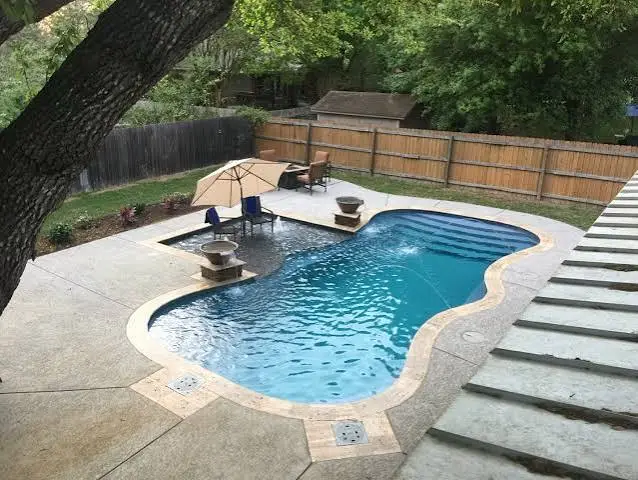
Reach Out For Your Free Quote
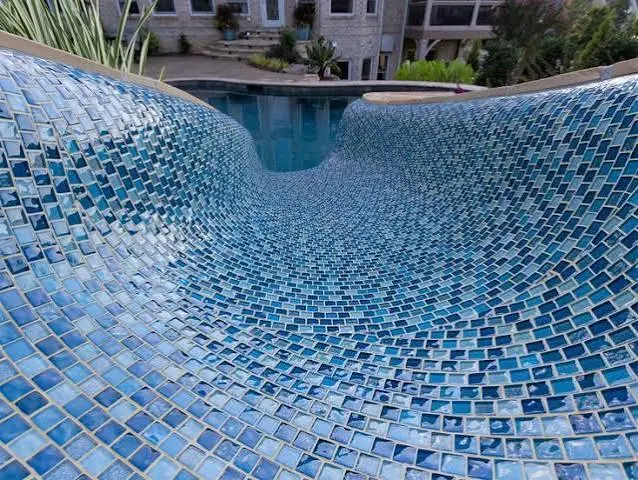
Professional Property Review
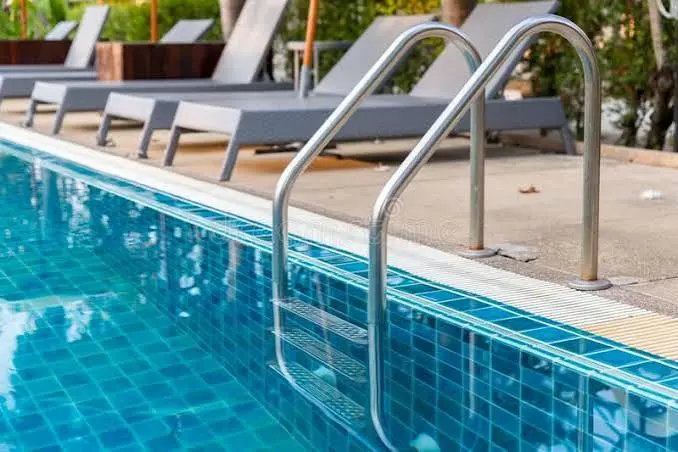
Honest Service Costs
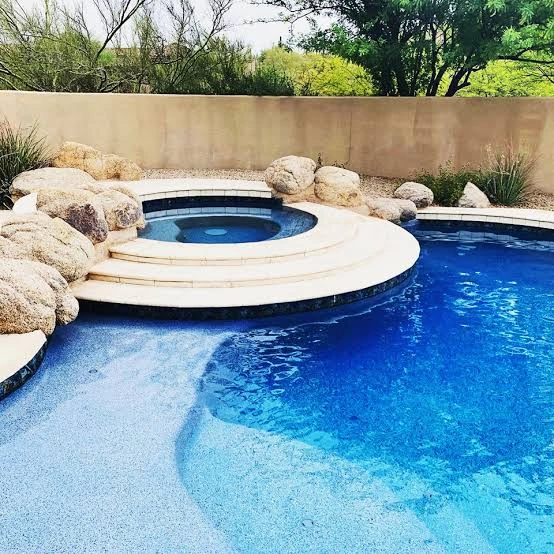
The Transformation Begins!
A cracked, stained, or rough pool surface signals the finish is breaking down. Left alone, small problems like flaking plaster or a hairline crack tend to turn into bigger ones: exposed concrete, water loss, or a surface too rough to walk on comfortably.
Pool Resurfacing Austin Tx has resurfaced pools throughout Leander since 2004. Central Texas conditions play a real role in how fast a pool finish wears. Local groundwater tends to be hard and mineral-rich, which speeds up scaling and staining. Long, intense summer heat accelerates plaster breakdown compared to cooler climates. Older neighborhoods around Leander often have pools nearing or past their finish’s expected lifespan.
If your pool is losing water, showing bare concrete, or just isn’t holding up the way it used to, a straightforward inspection will tell you what’s actually going on.
Pool Resurfacing Near Me
Professional Pool Resurfacing Services in Leander, Texas
Below is a breakdown of the resurfacing and remodeling services we provide, and what each one addresses.
Pool Remodeling
A remodel combines several changes into one project: a new finish, updated tile, coping work, and sometimes new lighting.
Homeowners often live with a handful of small issues for years before deciding to act. A chip in the plaster, a stain that won’t come out, a light fixture that stopped working seasons ago. Addressing all of it at once, rather than one repair at a time, is usually more efficient.
A full inspection comes first. If a pool only needs resurfacing rather than a full remodel, that’s what we recommend.
Pool Resurfacing
The interior finish separates pool water from the concrete shell underneath. Years of sun, chemical exposure, and hard water take a toll on that layer.
Plaster typically holds up for 7 to 10 years. That range shifts significantly based on water chemistry. Pools with consistently balanced water tend to reach the higher end of that range; pools with chemical imbalances or heavy calcium buildup often need attention sooner.
Resurfacing involves removing the failing layer, preparing the shell, and applying the new finish.
Pool Replastering
Replastering is the most common request, since plaster remains the standard finish for most residential pools in the area.
Waiting until plaster is fully peeling before addressing it usually costs more in the long run. Once concrete is exposed, it tends to absorb stains that don’t fully lift even after a new coat is applied. Addressing flaking plaster early, before that stage, keeps the job simpler.
All Tile Pools
Fully tiled pools are less common than plaster or aggregate finishes, but they tend to outlast both. The tile material itself rarely fails first; the grout does.
Loose tile and worn grout lines let water reach the shell underneath, which can undermine the bond over time. Repairing tile and resealing grout addresses that before it spreads. For pools that need resurfacing on a shorter cycle, converting to a full tile finish is worth considering.
Pool Skimmer Installs
A pool that never seems clean, regardless of maintenance schedule, sometimes has a skimmer issue rather than a cleaning issue.
Skimmer baskets and housings often get replaced or repositioned during resurfacing, since the shell is already exposed at that stage. Correct placement affects circulation throughout the pool, not just surface debris collection.
Pool Lights
Aging pool lights often show wear through failing seals before the bulb itself goes out. Moisture intrusion shortens the life of both the fixture and its wiring.
Light replacement, including LED upgrades, is a common part of resurfacing projects. LED fixtures run cooler and typically last longer than the incandescent lights still found in many older pools in the area.
Waterline Tile
The band of tile at the pool’s water level exists to hide and resist calcium and body-oil buildup, which is more pronounced in areas with hard water.
When waterline tile cracks or comes loose, the plaster beneath it takes on that same wear. It’s typically replaced during resurfacing to match the new finish.
Pool Coping
Coping is exposed to constant sun, pool chemicals, and foot traffic, which makes it wear faster than many homeowners expect.
Coping that looks stable on the surface can still have water damage developing underneath, working toward the surrounding deck. Cracked or shifting coping is worth having assessed before it becomes a larger repair.
Pool Crack Repair
Not every crack indicates the same severity. A hairline crack limited to the plaster is typically cosmetic. A crack that extends into the shell, especially one that keeps reopening after being filled, is structural.
Distinguishing between the two matters, since the repair scope and cost differ substantially. An inspection identifies which type of crack is present before any repair work begins.
Pool Railings & Ladders
A loose railing is more than an inconvenience. With repeated use, especially by children, an unstable railing becomes a safety concern.
Proper reinstallation means anchoring railings and ladders securely into new coping or decking. Anchor points that aren’t sealed correctly are a common source of follow-up repairs.
Pool Finish Options for Every Backyard
Each finish balances upfront cost, lifespan, and maintenance differently. Here’s how they compare.
White Plaster
Best for: Lowest upfront cost
Standard plaster typically lasts 7 to 10 years and remains the most affordable option. A reasonable choice for homeowners planning to sell within several years or working with a tighter budget.
Quartz Finish
Best for: Stain resistance
Quartz-blended plaster resists mineral staining better than standard plaster, particularly relevant given local hard water. It generally adds 3 to 5 years of usable life over standard plaster.
Pebble Finish
Best for: Longer lifespan with moderate cost increase
Textured and non-slip, pebble finishes typically last 15 to 20 years. Higher upfront cost, but fewer resurfacing cycles over the life of the pool.
Pebble Tec® & Pebble Sheen®
Best for: Texture and appearance preference
Pebble Tec® has a coarser, more exposed texture. Pebble Sheen® is smoother underfoot, which matters for households with young children or older adults using the pool.
Aggregate Pool Finishes
Best for: Heavy, year-round use
A blend of materials, such as quartz or glass beads with pebble, built to hold up under frequent use and consistent exposure.
All Tile Pools
Best for: Longest lifespan, lowest long-term maintenance
Full tile finishes can last 20 years or more before significant work is needed. Highest upfront cost, but the least frequent need for resurfacing over time.
Common Signs Your Pool Needs Resurfacing
Most of these signs develop gradually, which is why they often go unnoticed until they’ve progressed.
Surface Cracking
Small cracks rarely stay small. Water works into the gap over time, turning a hairline crack into a larger repair within a season or two.
Peeling Plaster
Once plaster separates from the shell, that section won’t reattach on its own. The bond has already failed.
Rough Surface
A surface that feels abrasive rather than smooth has usually broken down enough to expose its underlying texture. This is often the first thing people notice physically, typically by scraping a foot along the pool floor.
Plaster Flaking
Small chips coming loose in the water point to a failed bond between the plaster and the shell in that area.
Surface Wear
Thinning and fading happen slowly, which is part of why it’s easy to miss until it’s fairly advanced.
Stains
Light staining sometimes responds to acid washing. Staining that keeps returning despite treatment usually means the surface has become porous enough to hold minerals permanently, common with hard water exposure over time.
Water Loss
Water loss beyond about a quarter inch per day, after accounting for normal evaporation, typically points to a crack in the shell or plumbing. Freeze events during winter cold snaps can also stress older or already-weakened surfaces, sometimes revealing cracks that weren’t causing issues before.
Concrete Exposure
Visible bare concrete means the protective finish is fully gone in that area. This tends to worsen quickly once exposed.
Surface Discoloration
Uneven color, particularly in patches rather than across the whole surface, is often one of the earlier signs a finish is starting to fail.
Why Homeowners in Leander Choose Pool Resurfacing Austin Tx
Experienced Pool Technicians
Since 2004, the team has worked across a wide range of pool ages, finishes, and conditions specific to Central Texas water and climate.
Licensed, Bonded, Insured
Proper licensing, bonding, and insurance are required to work on residential pools in Texas. This protects the homeowner if any issue arises during the project.
Clean Job Site
Resurfacing involves demolition and materials handling. Site management keeps disruption contained for the length of the project.
Respectful Team
The crew operates within agreed work areas and keeps noise and disruption reasonable throughout the job.
Clear Communication Throughout the Project
Updates are provided at each stage, from the initial inspection through the final walkthrough.
Timely Completion
A realistic timeline is set before work begins. Any changes to that timeline are communicated as they happen, not after the fact.
Frequently Asked Questions About Pool Resurfacing in Leander, Texas
How long does pool resurfacing take?
Most projects take 5 to 10 days. Larger pools or those needing structural repair beforehand can take longer.
How much does pool resurfacing cost in Leander, Texas?
Cost depends on pool size, current condition, and the finish selected. Plaster costs less than pebble or tile finishes. An exact quote follows an in-person inspection.
How often should a pool be resurfaced?
Plaster typically needs resurfacing every 7 to 10 years. Quartz and pebble finishes can last up to 20 years depending on water chemistry maintenance over that period.
What is the best pool finish for Texas weather?
Pebble and quartz finishes generally hold up better against local heat and hard water than standard white plaster, particularly for pools that have had staining or premature wear in the past.
Can pool resurfacing fix cracks and leaks?
Surface-level cracks are addressed through resurfacing. Cracks extending into the shell or causing leaks are identified during inspection and handled before resurfacing begins.
Do I need a permit for pool resurfacing in Leander?
Resurfacing alone typically doesn’t require a permit. Structural repairs or equipment changes may. Permit requirements are confirmed once the project scope is defined.