
Pool Resurfacing Kingsland, Texas
Our Resurfacing/Remodeling Process
We value your schedule and work quickly!
Reach Out For Your Free Quote
Professional Property Review
Honest Service Costs
The Transformation Begins!
A rough, stained, or cracked pool surface is usually not a cosmetic problem. It’s a sign the finish layer has broken down and the concrete shell underneath is now exposed to water. Pool Resurfacing Austin Tx has resurfaced and replastered pools around Austin and the Lake LBJ area, including Kingsland, since 2004. Hard water, limestone deposits, and long summer UV exposure wear down pool finishes faster here than in most parts of the country. That local pattern shapes how we inspect a pool and what we recommend.
Every project starts with a free, in-person inspection. You get a written scope of work and a quote before anything is scheduled.
Pool Resurfacing Near Me
Professional Pool Resurfacing Services in Kingsland, Texas
Kingsland sits on the edge of Lake LBJ, in Llano County, where the water supply runs harder and higher in mineral content than in central Austin. Based on the pools we’ve serviced in this area, that mineral content accelerates calcium scaling on plaster, often shortening usable finish life compared to what we see on softer-water pools elsewhere in our service area. Long, hot swim seasons add to that wear.
Some homeowners need a single repair. Others are past the point where patching makes sense.
Pool Remodeling
We recommend a remodel over a single repair when a pool has more than one failing component at once — for example, a plaster surface losing its bond along with cracked coping and outdated lighting. Doing them separately usually costs more in the long run, since each project requires its own drain-and-refill cycle. A remodel bundles surface, tile, coping, and lighting work into one drained pool, one crew mobilization, and one refill.
Pool Resurfacing
Resurfacing replaces the interior finish layer — plaster, quartz, pebble, or tile — that holds water against the concrete shell. Based on the plaster pools we’ve resurfaced around Kingsland, the 7-year mark comes up more often than the 10-year figure quoted in national averages. Hard water scaling is the likely driver, though pools with consistently balanced chemistry tend to hold up longer. We check chemical history during inspection for that reason, not just the surface condition itself.
Last year, we resurfaced a pool near the lake where scaling had built up so heavily that the original plaster color was barely visible under a chalky white layer. The owners had been treating the water regularly, but hard water scaling like that builds up regardless of maintenance once a finish gets old enough.
Pool Replastering
Replastering is what we get called for most on older pools in this area — plaster was the standard finish on homes built before the mid-2000s, and a lot of those pools are due now. The first sign is usually textural. Smooth plaster starts to feel gritty underfoot as the surface layer erodes. Wait too long past that point, though, and bare concrete patches show up by the time we arrive, which adds prep work and cost to the job.
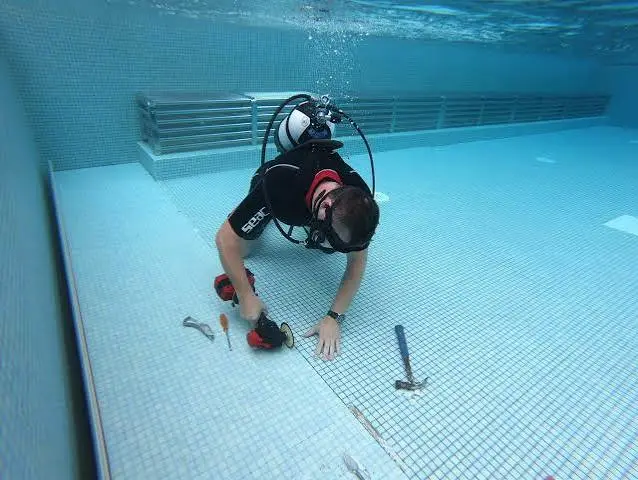
All Tile Pools
Full-tile pools are less common in Kingsland than plaster or pebble pools, but they show up in older custom builds near the lake. Tile doesn’t fail the way plaster does — it doesn’t erode — but grout lines break down from water exposure and freeze-thaw cycling in winter. Repair work on tile pools is grout-focused first, tile-replacement second, and we match existing tile lines when the original pattern is still available from the manufacturer.
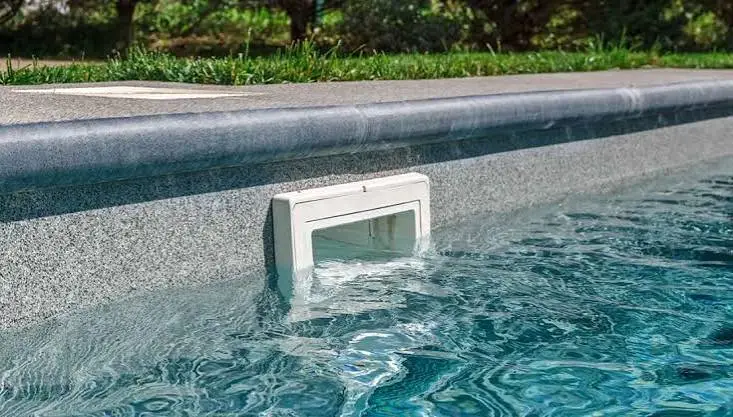
Pool Skimmer Installs
A skimmer that sits too high or too low for the water line pulls debris inconsistently, which forces the pump to work harder and shortens filter life. We see this most often on pools where the deck has settled slightly over the years, changing the water line relative to the skimmer opening. Resurfacing is the right time to correct skimmer height, since the surface work already requires draining the pool.
Pool Lights
Light fixtures come out before resurfacing, since the new finish is applied around and behind the niche. This is the cheapest point in a pool’s life to upgrade to LED — you’re not paying to drain the pool again just for that. Every housing gets resealed before refilling.
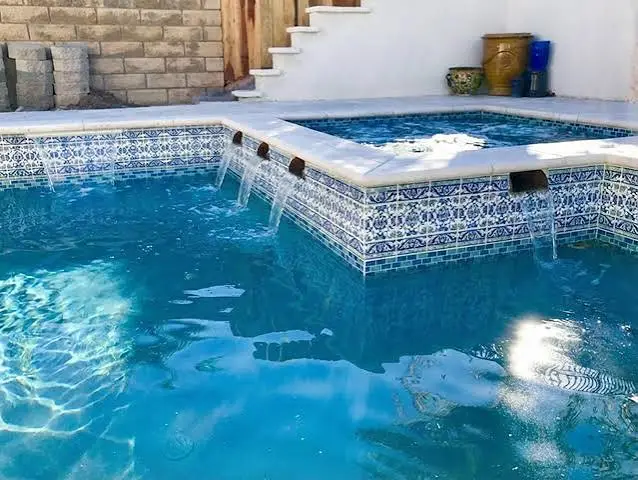
Waterline Tile
The waterline is the single hardest-working part of a pool’s finish. It takes constant exposure to sunscreen residue, body oils, and mineral scum that settles right at the water’s surface — and in hard water areas like Kingsland, that buildup happens faster than anywhere else on the pool. Replacing waterline tile during a resurfacing job protects the new finish edge and gives you a visible line where regular scrubbing can keep buildup from returning as fast.
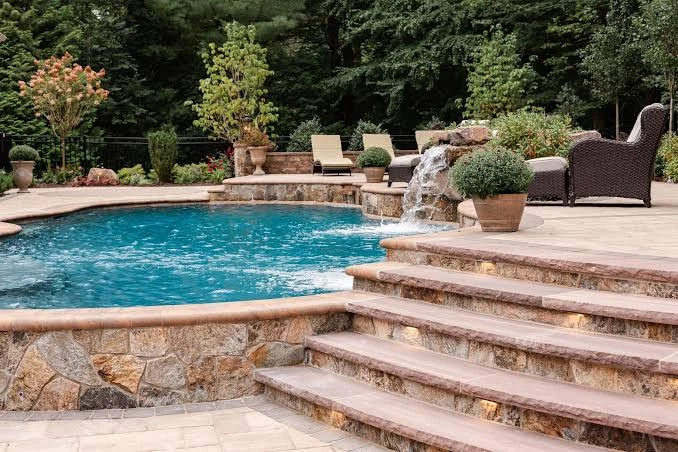
Pool Coping
Coping anchors the transition between the pool shell and the deck, and it takes more structural stress than most homeowners realize. It’s usually the first thing affected when soil shifts beneath a deck slab — something we see fairly often in the clay and limestone soils around Kingsland. Loose or cracked coping isn’t just cosmetic. It lets water travel behind the shell wall, and that’s an expensive problem once it’s underway. We check coping stability on every resurfacing inspection as a standard step, not an upsell.
Pool Crack Repair
The distinction between a surface crack and a structural crack matters more than most quotes make clear. Surface cracks are cosmetic and get resolved with standard resurfacing. Structural cracks run into the concrete shell itself and usually show a pattern — often following the shape of rebar placement or a settlement line — and they require an engineering assessment before we’ll quote resurfacing over them. Applying new finish over an active structural crack just hides the problem temporarily.
Pool Railings & Ladders
Anchor bolts for railings and ladders sit in a wet, chemically treated environment for years, and corrosion at the anchor point is more common than people expect, especially on pools over 10 years old. We pull every railing and ladder before resurfacing, inspect the anchor sleeves, and replace hardware that’s corroded rather than reinstalling it as-is. Reusing a compromised anchor is a liability issue, not just a maintenance shortcut.
Pool Finish Options for Every Backyard
Finish choice affects three things: how the pool feels underfoot, how it holds color, and how often you’ll be back to resurface. Given Kingsland’s hard water, we weigh scaling resistance more heavily here than we would for a client with a soft-water supply.
White Plaster
White plaster is the lowest-cost option, and it’s still the most common finish we replace in Kingsland. It’s a mix of white cement and marble dust troweled over the shell. Based on what we’ve seen locally, 7 years is a more realistic resurfacing window than the 10-year figure quoted nationally, with hard water scaling as the likely cause. For owners who’d rather resurface on a predictable cycle than pay more upfront, it’s a reasonable choice.
Quartz Finish
Quartz finish blends ground quartz aggregate into the plaster mix, adding surface hardness and color options beyond white. In the pools we’ve serviced, quartz tends to outlast plain plaster by a couple of years and holds color better against hard water scaling. It sits in the middle — more durable than plaster, without the cost jump to pebble.
Pebble Finish
Pebble is what most homeowners ask about when they’re replacing an old, stained plaster surface. The reasoning is usually the same: they don’t want to be back in the pool business again in seven years. Natural pebble aggregate resists scaling better than plaster, and in our experience it typically runs 15 to 20 years before resurfacing comes up again, even with Kingsland’s water hardness working against it.
One homeowner on Kingsland Boulevard switched from plaster to Pebble Sheen® last year specifically because they were tired of the annual acid wash just to keep staining under control. That trade-off — a higher upfront cost against fewer future service calls — is the one we walk through most with clients choosing between plaster and pebble.
Pebble Tec® & Pebble Sheen®
These are branded pebble products with different aggregate sizing. Pebble Tec® uses larger pebbles for more texture underfoot; Pebble Sheen® uses smaller aggregate for a smoother feel while keeping the same scaling resistance and lifespan range. Foot comfort is really the deciding factor between the two — the wear performance is close to identical.
Aggregate Pool Finishes
Aggregate finishes blend plaster with quartz, pebble, or glass bead material for added strength and texture. Upfront cost runs higher than plaster. But stretch the math over a 20-year ownership period, and most owners come out ahead compared to resurfacing plain plaster two or three separate times over the same span.
All Tile Pools
Full tile is the longest-lasting option available, often running past 20 years before major work is needed, since the finish material itself doesn’t erode the way plaster does. The tradeoff is upfront installation cost and ongoing grout maintenance. It’s most common in custom builds rather than standard resurfacing upgrades, given the cost difference.
Common Signs Your Pool Needs Resurfacing
These signs show up gradually, and most homeowners notice two or three of them together rather than just one.
Surface Cracking
Hairline cracks in the finish are usually the earliest sign of wear. They widen with time and temperature swings, and once water reaches the concrete shell through a crack, the damage accelerates.
Peeling Plaster
Peeling means the plaster has lost its bond to the concrete shell, often from water chemistry imbalance during the original application or years of aggressive chemical exposure. Peeling patches expose raw concrete underneath and spread if left alone.
Rough Surface
A pool that used to feel smooth and now feels gritty or sandpaper-like underfoot has lost its top layer to erosion or scaling. It’s the most common complaint we hear before an inspection call in this area, and hard water buildup is usually behind it.
Plaster Flaking
Flaking is small chips of plaster breaking away from the surface, typically from age-related brittleness or low pH water eating into the finish over time. Flaking tends to accelerate once it starts, since each exposed edge is more vulnerable than the surrounding intact plaster.
Surface Wear
General wear looks like thinning, dull plaster across large areas rather than isolated damage. It’s age-related and usually affects the whole pool evenly, which is different from localized staining or cracking.
Stains
Metal content in hard water — iron and copper in particular — settles into porous, aging plaster and causes staining. An acid wash or chemical treatment lifts some of it. Deep-set stains in older, more porous plaster often don’t come out at all. At that point, most homeowners decide it’s easier to resurface than keep treating the same spot every season.
Water Loss
Water loss beyond normal evaporation often points to a crack in the shell or finish layer. Before assuming it’s a resurfacing issue, we run a leak detection check, since plumbing leaks and finish cracks require different repairs.
Concrete Exposure
Bare concrete showing through the finish means the plaster layer is gone in that spot. Exposed concrete is porous and absorbs water directly, which speeds up deterioration of the shell if it’s not addressed with resurfacing.
Surface Discoloration
Uneven or blotchy coloring often comes from long-term chemical imbalance or mineral deposits reacting differently across the surface. It’s usually cosmetic on its own, but it’s frequently paired with early-stage scaling that’s worth checking during inspection.
About Pool Resurfacing Austin Tx
Pool Resurfacing Austin TX has worked on pools around Austin and the Lake LBJ area, including Kingsland, since 2004. Most of our work is resurfacing and replastering, but that work regularly uncovers related issues — failing coping, aging skimmers, corroded ladder anchors — that get addressed as part of the same project rather than left for a future call.
Water conditions in this region play a bigger role in pool longevity than most manufacturer guidelines account for. Hard water and mineral-heavy limestone runoff around Kingsland accelerate scaling on plaster surfaces, and long, hot swim seasons mean more chemical cycling through the water each year than pools see in cooler climates. We factor that local pattern into every recommendation, rather than defaulting to national averages that don’t reflect what actually happens to a pool here.
Every project starts with an inspection of the shell, plumbing connections, and existing finish before we quote anything. That step is what separates a straightforward resurfacing job from one that needs structural repair first — and it’s not something we skip to move faster.
Why Homeowners in Kingsland Choose Pool Resurfacing Austin Tx
Experienced Pool Technicians
Our crews have applied plaster, quartz, and pebble finishes, repaired structural cracks, and replaced coping on pools built across several different eras of Central Texas construction. That range matters most on older pools, where shell condition, plumbing layout, and prior repair work aren’t always documented and have to be assessed in person.
Licensed, Bonded, Insured
Every project is covered by proper licensing, bonding, and insurance. You’ll receive documentation you can keep for warranty claims or provide during a future home sale.
Clean Job Site
Draining a pool, removing old finish material, and applying new plaster or aggregate creates dust and debris. We manage that at the source — tarping work areas, containing debris, and cleaning up equipment and material daily, not just at the end of the job.
Respectful Team
Our crews work on occupied residential properties every day. That means keeping noise and disruption reasonable, respecting landscaping and gate access, and communicating directly if something on-site needs your attention.
Clear Communication Throughout the Job
You’ll know what phase the project is in and what’s next, from the initial drain through final water balancing. If something is found mid-project — a structural crack behind old plaster, for example — you hear about it directly, with options, before we proceed.
Timely Completion
A standard resurfacing project runs one to two weeks from drain to refill, depending on pool size, finish type, and curing time. You’ll get a written schedule at the start, and if weather or unexpected shell damage changes that timeline, we’ll tell you as soon as we know — not after the delay has already happened.
Frequently Asked Questions
How long does a pool resurfacing project take?
Most projects run one to two weeks from draining to refilling, including cure time for the new finish. Structural repairs, coping replacement, or tile work added to the project can extend that timeline.
How much does pool resurfacing cost in Kingsland, Texas?
Cost depends on pool size, current surface condition, and finish type. Plaster costs the least upfront; pebble and full-tile finishes cost more but resurface less often. A free inspection gives you an accurate number for your specific pool rather than a general estimate.
How often does a pool need to be resurfaced?
Based on the pools we service in Kingsland, plaster typically needs resurfacing closer to every 7 years, which we attribute to hard water scaling. Quartz tends to run closer to 9 to 10 years. Pebble and aggregate finishes commonly reach 15 to 20 years. Water chemistry maintenance shifts these numbers in either direction.
What is the difference between pool resurfacing and pool replastering?
Replastering means applying a new plaster finish specifically. Resurfacing is the broader category, covering plaster, quartz, pebble, or tile. All replastering is resurfacing; not all resurfacing is plaster.
Can pool coping be repaired without resurfacing the whole pool?
Yes. Coping repair or replacement can be done on its own if the surface finish is otherwise in good condition. If both are failing, doing them together in one drained cycle is usually more cost-effective than two separate projects.
Do you offer free pool inspections in Kingsland?
Yes. Every quote starts with a free, in-person inspection covering the surface, coping, and plumbing connections tied to the project, with no obligation to book work afterward.
What pool finish lasts the longest?
Full tile lasts the longest, often past 20 years, followed by pebble and aggregate finishes at 15 to 20 years. Plaster and quartz have shorter lifespans but lower upfront cost, which is why they remain common choices for budget-conscious resurfacing projects.
Can I swim immediately after resurfacing?
No. New plaster needs a curing period, typically several days to two weeks depending on finish type, before normal swimming and chemical treatment resume. We provide a specific timeline for your finish type at project completion.
Does hard water damage plaster?
Yes. Hard water accelerates calcium scaling on plaster, and it’s the reason we most often point to when plaster finishes in Kingsland need resurfacing closer to the 7-year mark rather than the 10-year national average. Regular water balancing slows the process. It doesn’t stop it.
Will resurfacing fix a leak?
Only if the leak is caused by a crack in the finish layer itself. Plumbing leaks or shell leaks require separate diagnosis through leak detection testing, which we recommend before assuming resurfacing will resolve unexplained water loss.
Can you change the pool color during resurfacing?
Yes. Resurfacing is the point in a pool’s life when changing finish color is most practical, since the entire surface is already being replaced. Quartz and pebble finishes offer the widest color range if you’re looking to shift the water’s tint.