
Pool Resurfacing Cedar Park, Texas
Our Resurfacing/Remodeling Process
We value your schedule and work quickly!
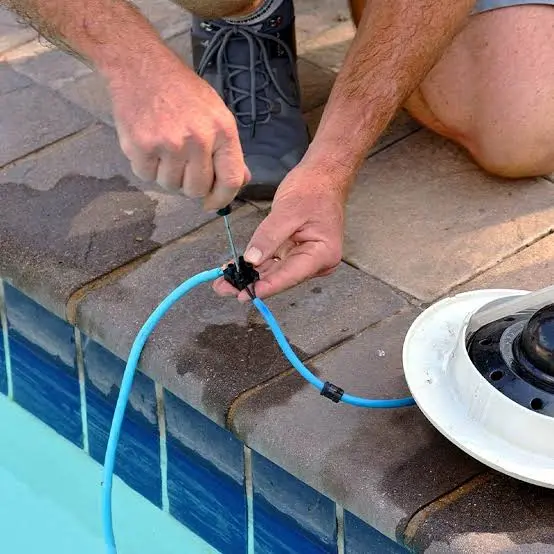
Reach Out For Your Free Quote
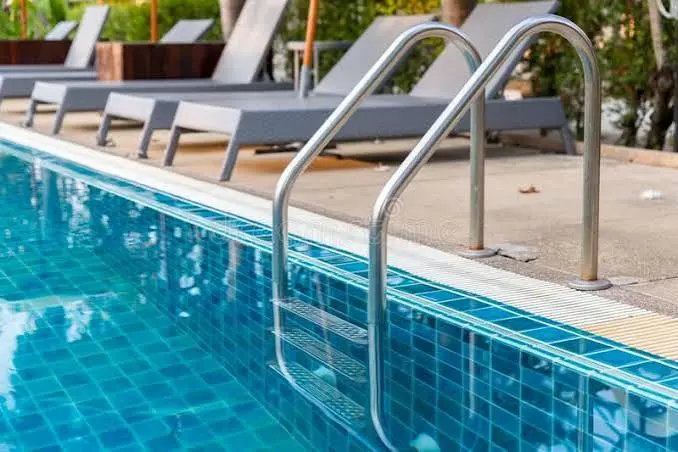
Professional Property Review
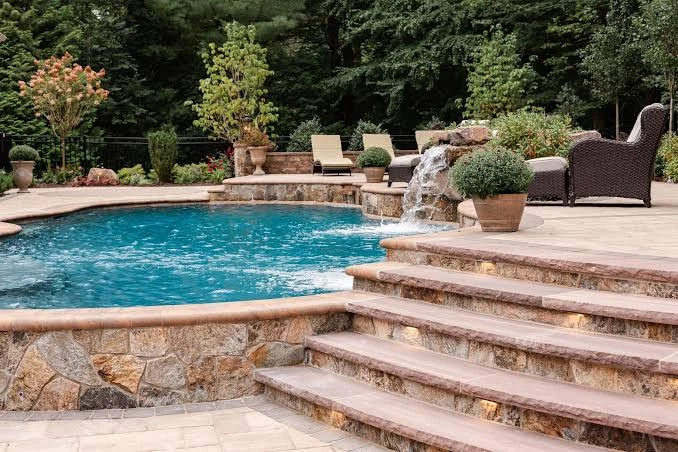
Honest Service Costs
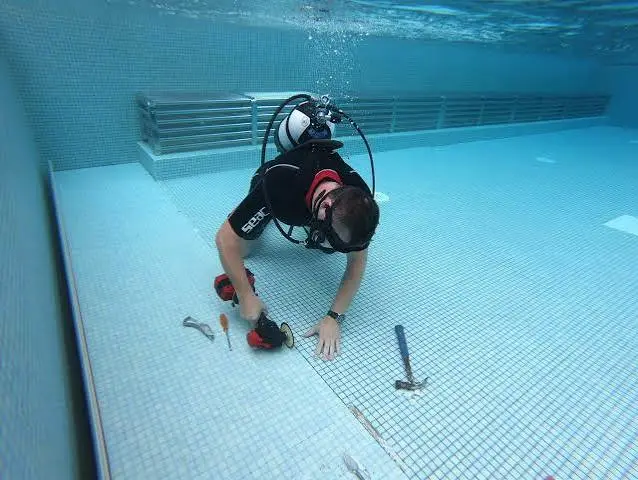
The Transformation Begins!
Professional Pool Resurfacing Services in Cedar Park, Texas
A pool surface has a limited service life. Most plaster finishes last 7 to 15 years before cracking, staining, or roughness sets in. Cedar Park’s combination of long, hot summers and hard water tends to push pools toward the shorter end of that range, since mineral scaling and heat exposure both accelerate plaster breakdown. Pool Resurfacing Austin Tx provides pool resurfacing in Cedar Park, Texas, and helps homeowners catch these problems before they turn into costly repairs.
Our team is licensed, bonded, and insured. Every job follows Texas construction standards and industry guidelines set by the Pool and Hot Tub Alliance (PHTA).
Pool Resurfacing Near Me
Our Pool Resurfacing & Remodeling Services in Cedar Park, Texas
Pool remodeling in Cedar Park, Texas covers more than just plaster. A full remodel can include new tile, updated coping, lighting, and structural repair. Below is a breakdown of the services we provide, so you know exactly what each job involves before you request a quote.
Pool Remodeling
Pool remodeling updates the look and function of an aging pool. This can include new plaster, tile, coping, and lighting in a single project. Most homeowners who reach out to us about “just resurfacing” end up asking about coping or lighting once we’re on-site, since draining the pool exposes issues that aren’t visible with water in it. Combining that work into one project avoids draining the pool a second time later.
Pool Resurfacing
Pool resurfacing replaces the top layer of a pool’s interior finish. Over time, plaster wears thin from chemical exposure and water flow. One thing homeowners are often surprised by: a pool can look fine from a distance and still be due for resurfacing. Etching and thinning plaster often show up under close inspection or under direct sunlight before they’re visible from the pool deck.
Pool Replastering
Pool replastering is a specific type of resurfacing that applies a new layer of plaster to the pool’s interior. Plaster is the most common and cost-effective finish used in Central Texas pools. In hard water areas like Cedar Park, replastering timelines often move up if a pool hasn’t had consistent calcium hardness testing, since scaling wears down plaster faster than age alone would suggest.
All Tile Pools
Some pools use tile across the entire interior surface instead of plaster. All tile pools require different maintenance and repair methods than plastered pools, since grout lines and individual tiles fail differently than a continuous plaster surface. Loose or cracked tile on a fully tiled pool is usually a grout adhesion issue rather than a sign the whole surface needs replacement, which is why an inspection matters before assuming a full retile is necessary.
Pool Skimmer Installs
The pool skimmer removes debris from the water surface before it sinks. A cracked or poorly placed skimmer reduces filtration efficiency and can lead to poor water circulation. Skimmer housings are typically fine, but the plaster or plumbing seal around them often deteriorates first. We check that seal closely during any resurfacing project, since it’s easy to miss if the skimmer itself looks intact.
Pool Lights
Pool lights sit inside the pool shell and require correct sealing to prevent water intrusion. During resurfacing, we install new pool lights or reseal existing fixtures. Light niches are a common spot for small cracks to form, since the fixture creates a break in the concrete shell. This is typically addressed before the new plaster or tile finish is applied.
Waterline Tile
Waterline tile sits at the pool’s water level and protects the plaster edge from scale buildup and staining. It also defines the visual line between the pool finish and the coping. In areas with harder water, waterline tile takes on more scaling than the rest of the pool surface, which is why it often needs attention even when the plaster below the waterline still looks acceptable.
Pool Coping
Pool coping is the material that caps the edge of the pool shell, connecting the pool to the surrounding deck. Coping protects the shell’s edge from water and structural stress. Cracked or loose coping is one of the more overlooked warning signs, since homeowners tend to notice plaster problems in the pool before they notice movement at the edge.
Pool Crack Repair
Cracks in a pool can be surface-level or structural. Surface cracks affect only the plaster, while structural cracks extend into the concrete shell. A crack that looks minor on the surface doesn’t always stay that way. Part of the inspection process is checking whether a crack follows the shell’s rebar pattern or settlement lines, which changes how it needs to be repaired.
Pool Railings & Ladders
Pool railings and ladders provide entry and exit points and are a required safety feature for many pools. Corroded or loose railings create a fall risk. Anchor points for railings sit in the same plaster that’s being resurfaced, so loose railings are often a sign that the surrounding plaster has already started to fail, not just a hardware issue.
Pool Finish Options for Every Backyard
Pool finish material affects durability, texture, and appearance. Choosing the right finish depends on budget, expected lifespan, and how the pool is used. Below are the main finish types available for pool resurfacing in Cedar Park, Texas.
White Plaster
White plaster is the standard, most widely used pool finish. It has a smooth texture and a clean, classic look. White plaster is also the most affordable option, though it generally has a shorter lifespan than pebble or quartz finishes, averaging 7 to 10 years under normal use.
Quartz Finish
Quartz finish blends plaster with ground quartz aggregate. This adds strength and color options beyond standard white plaster. Quartz finishes typically last longer than plain plaster and resist staining better, making them a mid-range option in both cost and durability.
Pebble Finish
Pebble finish uses natural pebble aggregate mixed into the plaster base. This creates a textured, non-slip surface with more color depth than plaster or quartz. Pebble finishes are more durable and often last 15 to 20 years with proper water chemistry maintenance.
Pebble Tec® & Pebble Sheen®
Pebble Tec® and Pebble Sheen® are branded pebble finish products, similar to Pebble Fina and BeadCrete in composition. Pebble Sheen® uses smaller pebbles for a smoother feel underfoot, while Pebble Tec® uses larger aggregate for more texture. Both are known for long service life and resistance to fading.
Aggregate Pool Finishes
Aggregate finishes combine plaster with materials like quartz, pebble, or glass beads. These finishes are chosen for their durability and visual texture. Aggregate finishes cost more upfront than plain plaster but require less frequent resurfacing over the life of the pool.
All Tile Pools
Tile as a full interior finish, rather than just waterline tile, is the most durable and highest-cost option. Ceramic tile finish resists staining, fading, and rough texture almost entirely. This option suits homeowners planning to keep the same finish for decades without replastering.
Choosing the Right Finish for Your Situation
Finish choice usually comes down to water conditions, budget, and how long you plan to keep the pool as-is.
- Hard water areas, including most of Cedar Park: Pebble or quartz finishes hold up better against mineral scaling than plain white plaster.
- Lowest upfront cost: White plaster remains the most affordable option, with the tradeoff of a shorter lifespan.
- Lowest long-term maintenance: Full tile finishes need resurfacing the least often, though the upfront cost is higher.
- Planning to sell within a few years: A quartz or pebble finish tends to hold appeal without the added cost of a full tile job.
- Family pools with heavy use: Pebble finishes offer a non-slip texture that holds up well under frequent foot traffic.
Common Signs Your Pool Needs Resurfacing
A pool surface degrades gradually before problems become visible. Recognizing early signs helps avoid larger repairs to the concrete shell. The following are the most common indicators that a pool needs resurfacing or replastering.
Surface Cracking
Not all cracks mean the same thing. Small, shallow cracks usually stay contained to the plaster layer and are a normal part of aging. What we look for during an inspection is whether a crack follows a straight structural line, which can point to shell movement rather than a simple surface issue. Left unaddressed, either type lets water reach the concrete shell over time.
Peeling Plaster
Peeling plaster happens when the finish separates from the concrete shell underneath. This is often caused by poor bonding during the original application or age-related deterioration. Once plaster starts peeling in one area, it tends to spread outward from that point, since the edge of the peeled section gives water an easier path underneath.
Rough Surface
A rough surface is usually caused by mineral deposits or the breakdown of the plaster’s smooth top layer. In Cedar Park, this is more often a water hardness issue than pure age. Homeowners with pools on a regular chemical maintenance schedule sometimes still notice roughness sooner than expected if calcium levels haven’t been checked.
Plaster Flaking
Flaking occurs when small pieces of plaster break away from the surface. This is different from peeling, which involves larger sections separating. We see flaking most often on pools where the water chemistry has swung between high and low pH over an extended period, rather than staying consistently balanced.
Surface Wear
General surface wear develops from years of water flow, chemical exposure, and foot traffic. Wear tends to show up first in high-traffic areas: steps, benches, and the shallow end. If one section of the pool feels noticeably different underfoot than the rest, that’s often the earliest sign of uneven wear before it spreads.
Stains
Stains on a pool surface usually come from metals in the water, such as iron or copper, reacting with the plaster. A useful way to tell the difference: metal stains tend to follow the same pattern near return jets or fill lines, while algae staining spreads more randomly. Some stains respond to chemical treatment, but stains that return quickly after treatment usually mean the plaster itself needs replacing.
Water Loss
Water loss beyond normal evaporation can indicate a crack or gap in the pool surface or plumbing. A simple way homeowners can check: mark the water level, wait 24 hours with the pump off, and compare against evaporation for your climate. A pool losing more than a quarter inch per day beyond that baseline is worth having inspected.
Concrete Exposure
When plaster wears away completely, the underlying concrete shell becomes exposed to pool water. This is one of the more serious signs we encounter, since exposed concrete absorbs water and chemicals directly, which accelerates deterioration far faster than intact plaster ever would.
Surface Discoloration
Discoloration can result from algae growth, mineral buildup, or plaster aging unevenly. Even color loss, where the whole pool fades to a dull gray or yellow rather than showing spots, is usually a sign the plaster’s protective layer has broken down evenly across the surface, not just in one area.
About Pool Resurfacing Austin Tx
Pool Resurfacing Austin Tx is a locally owned, family-owned business serving Cedar Park, Texas and the surrounding Austin area. We focus specifically on pool resurfacing, replastering, and remodeling, rather than general pool maintenance, which allows our technicians to specialize in surface and structural work.
We serve homeowners near Cedar Park Boulevard, Southwest Parkway, and the Crystal Creek Drive area, along with neighborhoods throughout Cedar Park and Austin, Texas. Our work follows guidelines set by the Pool and Hot Tub Alliance (PHTA), an industry organization for pool construction and service standards.
As a locally owned business, we’re familiar with how Central Texas heat, water hardness, and seasonal use affect pool surfaces differently than in other regions. Homes in older sections of Cedar Park, where pools were built two or more decades ago, tend to show plaster issues sooner than newer construction, largely due to changes in application standards over the years. This local knowledge shapes how we recommend finish types and maintenance schedules to homeowners in the Cedar Park Chamber of Commerce service area.
Why Homeowners in Cedar Park Choose Pool Resurfacing Austin Tx
Licensed, Bonded & Insured
Pool Resurfacing Austin Tx operates as a licensed, bonded, and insured contractor. This protects homeowners in Cedar Park, Texas from liability during the resurfacing or remodeling process and confirms the work meets required construction standards.
Experienced Pool Technicians
Diagnosing a pool surface correctly takes more than a visual check. Our technicians look at crack patterns, plaster texture, and water chemistry history together before recommending a resurfacing approach, since the same visible symptom, like a stain or a rough patch, can point to different underlying causes depending on the pool’s age and finish type.
Clean Job Site
Pool resurfacing involves equipment, materials, and water drainage. We maintain a clean job site throughout the project, containing debris and protecting the surrounding deck and landscaping from damage during the resurfacing process.
Respectful Team
Our team works directly in and around occupied homes. Technicians follow site guidelines, communicate arrival times, and keep noise and disruption to a minimum during active work hours.
Timely Completion
Resurfacing timelines depend on pool size, finish type, and drying or curing requirements. We provide a project timeline before work begins and follow it closely, since extended downtime affects pool use during Texas summer months.
Clear Communication Throughout the Job
Homeowners receive updates at each stage of the resurfacing process, from surface preparation to final curing. This includes notice of any changes in scope, such as unexpected structural repair needs discovered during the job.
Frequently Asked Questions About Pool Resurfacing in Cedar Park, Texas
How long does pool resurfacing take?
Most resurfacing projects take one to two weeks from start to finish, including draining, surface preparation, application, and curing time. Larger pools or projects that include additional work, like coping or tile replacement, may take longer.
How much does pool resurfacing cost in Cedar Park, Texas?
Cost depends on pool size, current surface condition, and finish type selected. White plaster is typically the most affordable option, while pebble and full tile finishes cost more due to material and labor requirements. We provide a free pool quote after an on-site inspection.
How often should a pool be resurfaced?
Plaster finishes generally need resurfacing every 7 to 15 years, depending on water chemistry and usage. Pebble and quartz finishes tend to last longer, often 15 to 20 years, before resurfacing is needed again.
What is the difference between pool resurfacing and pool replastering?
Pool resurfacing is the broader term for renewing a pool’s interior finish, which can include plaster, quartz, pebble, or tile. Pool replastering refers specifically to applying a new layer of plaster, which is one type of resurfacing.
Do you offer free pool inspections in Cedar Park?
Yes. We provide a free pool inspection and quote for homeowners in Cedar Park, Texas considering resurfacing, replastering, or a full pool remodel.
Are you licensed and insured for pool remodeling in Texas?
Yes. Pool Resurfacing Austin Tx is licensed, bonded, and insured to perform pool resurfacing, replastering, and remodeling work in Cedar Park, Texas and the surrounding Austin area.
What pool finish lasts the longest?
Full tile finishes and pebble finishes, including Pebble Tec® and Pebble Sheen®, generally last the longest among common pool finish options. Ceramic tile in particular resists staining and wear better than plaster-based finishes over time.