
Pool Resurfacing Buda, Texas
Our Resurfacing/Remodeling Process
We value your schedule and work quickly!
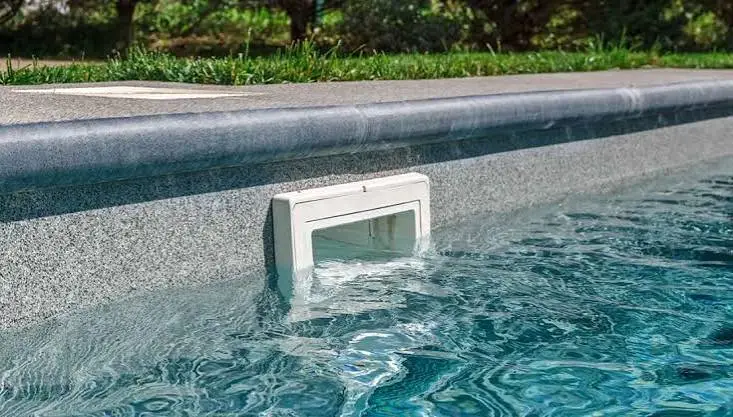
Reach Out For Your Free Quote
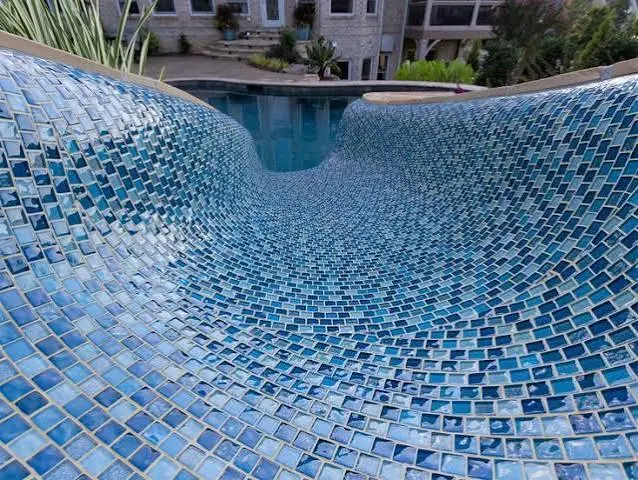
Professional Property Review
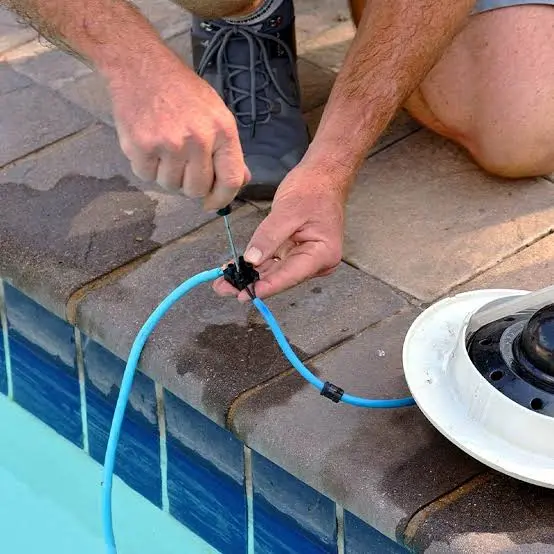
Honest Service Costs
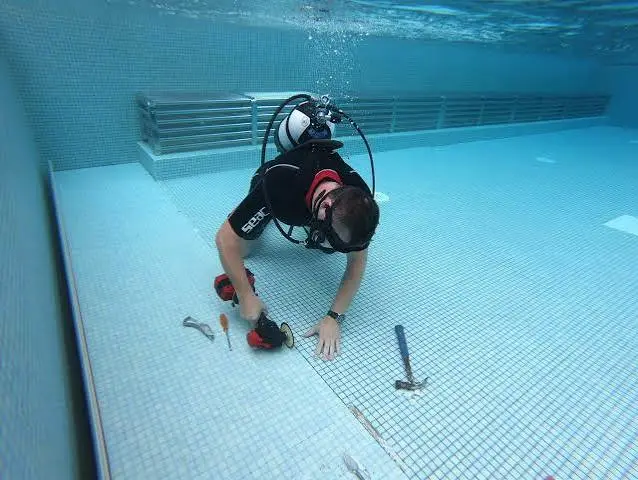
The Transformation Begins!
Professional Pool Resurfacing Services in Buda, Texas
Most pool surfaces in Buda start failing years before homeowners notice. By the time a rough patch or stubborn stain shows up, the plaster underneath has often been breaking down for a year or more. Central Texas heat and hard water accelerate that process faster than in most other regions.
Pool Resurfacing Austin Tx provides pool resurfacing services to homeowners throughout Buda, Texas. We inspect pools across this area every week, and the wear pattern is consistent enough that we can usually spot the age and finish type of a pool before the homeowner tells us.
Our team handles pool resurfacing, replastering, remodeling, and repair work for residential pools throughout Buda. We are licensed, bonded, and insured. Every project includes a workmanship warranty.
Pool Resurfacing Near Me
Our Pool Resurfacing & Remodeling Services in Buda, Texas
Service calls in Buda range from a single cracked skimmer to a full resurfacing job after 15 years of use. Here’s what each service actually involves, based on what we run into in the field.
Pool Remodeling
A remodel rarely stays limited to what the homeowner first asked for. Someone calls about updated tile or better lighting, and once we’re in the pool, we usually find additional wear that wasn’t visible from the deck. The Pool and Hot Tub Alliance (PHTA) puts the average inground pool’s functional lifespan at 20 to 30 years before a major remodel is needed. Pools built before 2010 in this area are often past that point already, mainly from sustained heat exposure.
Pool Resurfacing
Sun, water chemistry swings, and daily swimmer contact all hit the interior surface the hardest. Calcium levels in Buda’s water run higher than average, which speeds up scaling and rough texture on plaster. Most surfaces show measurable wear within 7 to 10 years. Resurfacing removes the damaged layer and reseals the shell before water loss turns into a bigger problem.
Pool Replastering
This is the most requested service we perform in Buda. Removing old plaster down to the shell often reveals hairline cracking that was never visible from the surface. Left alone, that cracking eventually leads to real water loss. A replaster catches it early, before it becomes a structural repair.
All Tile Pools
Full tile pools are less common here, though newer construction is shifting toward them. Unlike plaster, tile doesn’t absorb pool chemicals, so staining and etching are rare. The tradeoff comes down to cost and labor time, since tile installation takes longer than a standard plaster application.
Pool Skimmer Installs
Tree cover is the usual culprit behind skimmer failures we see. Leaf debris overwhelms an older or undersized skimmer faster than most homeowners expect. Replacement is typically bundled into a resurfacing job, since the pool is already drained and it saves a second service call down the line.
Pool Lights
Old incandescent fixtures are still common in Buda pools built before LED became standard. They draw more power and usually need replacing every 1 to 2 years, compared to LED fixtures that last considerably longer and run cooler. During installation, checking the gasket and wiring connection matters just as much as the bulb itself, since a failed seal is one of the more common reasons a light stops working. Doing this during a resurfacing job avoids draining the pool a second time.
Waterline Tile
Sunscreen residue, skin oil, and debris all settle at the waterline more than anywhere else in the pool. It’s common to find plaster or pebble finish just below the tile line stained noticeably darker than the rest of the surface. Waterline tile protects that zone and keeps a clean edge that’s easier to maintain between resurfacing cycles.
Pool Coping
Coping caps the shell edge and connects the deck to the water line. Clay soil, common around Buda, shifts enough over a few years to move coping and open small gaps where water intrudes behind it. Every resurfacing job includes a coping inspection for this reason — coping failure often signals a deck or foundation issue, not just wear.
Pool Crack Repair
Cracks aren’t all the same. Surface cracks in plaster are common and mostly cosmetic. Structural cracks in the shell are a different problem, and in this region, they sometimes trace back to soil movement beneath the pool. Depth and pattern determine the repair approach, since patching a structural crack the wrong way just means doing it again later.
Pool Railings & Ladders
Higher chlorine use during Texas summers corrodes railings and ladders faster than most people realize. A loose railing isn’t a cosmetic issue — it’s a safety one. Anchor points get checked during every remodel, since a railing can look stable while the base underneath the deck has already failed.
Pool Finish Options for Every Backyard
Finish choice determines how a pool looks, feels underfoot, and how soon it will need resurfacing again. Recommendations here are based on how the pool gets used, not just appearance.
White Plaster
Cost keeps white plaster the most common finish installed in Buda. It provides a smooth, classic surface, but it’s also the most sensitive to the area’s harder water. Average lifespan runs 7 to 10 years, sometimes less without consistent chemistry maintenance.
Quartz Finish
Ground quartz blended into the plaster base adds strength and color depth beyond standard plaster. This option works well for homeowners who want more durability without jumping to full pebble or tile pricing. Typical lifespan runs 10 to 15 years.
Pebble Finish
The exposed stone texture in pebble finish resists local mineral content and staining better than plain plaster. Lifespan commonly runs 12 to 20 years under normal maintenance, making it a mid-to-long-term option.
Pebble Tec® & Pebble Sheen®
Stone size is the main difference between these two branded finishes. Pebble Sheen® uses smaller aggregate for a softer feel, which matters for households with young kids or anyone who prefers a smoother pool floor. Both hold up well against the heavy chemical use that comes with a full Texas swim season.
Aggregate Pool Finishes
Blending plaster with quartz, glass, or pebble material adds texture and strength beyond standard plaster. Pools with heavy year-round use tend to do better with this option, since it resists staining without the full cost of a tile job.
All Tile Pools
Durability tops out with tile, often lasting over 20 years without needing replacement. Algae growth and chemical staining barely affect it compared to plaster-based finishes. Cost and installation time remain the main tradeoffs.
Common Signs Your Pool Needs Resurfacing
These are the issues that generate the most service calls in Buda. Most start small and get more expensive to fix the longer they sit.
Surface Cracking
Water works its way behind the finish through even small cracks. A hairline crack caught during an inspection can turn into a full replaster job within a year if it’s left through a hot summer.
Peeling Plaster
Separation between the plaster and the shell underneath usually points to water chemistry that was out of balance for an extended stretch, not a single event.
Rough Surfac Texture
Calcium buildup, common given this region’s water hardness, is the usual cause of a rough surface. Beyond being uncomfortable to swim on, it signals the finish is breaking down structurally.
Plaster Flaking
Small chips breaking off and settling at the bottom mark a more advanced stage of failure. Resurfacing stops being optional at this point if shell damage is going to be avoided.
Surface Wear & Discoloration
Sun exposure combined with chemical imbalance typically causes uneven wear or blotchy discoloration. Buda’s summer sun speeds this up compared to shaded or indoor pools.
Staining
Metals in the water supply, algae, or organic debris all cause staining. Water gets tested before resurfacing is recommended, since some staining responds to chemical treatment instead of requiring a new surface.
Water Loss
Typical evaporation runs about a quarter inch of water loss per day during Texas summers, per Pool and Hot Tub Alliance (PHTA) guidance. Anything beyond that usually points to a crack or plumbing leak — a dye test should come before assuming resurfacing is the fix.
Concrete Exposure
The shell becomes visible once plaster wears away entirely. At this stage, resurfacing is necessary to stop water from directly damaging the concrete structure underneath.
About Pool Resurfacing Austin Tx
Pool Resurfacing Austin Tx is a locally owned pool service company serving Buda, Texas and the surrounding area. Resurfacing, replastering, and remodeling for residential pools is our focus, rather than spreading across every category of pool service.
Serving Buda, Texas and Surrounding Areas
Homeowners throughout Buda rely on us, including neighborhoods near Crystal Creek Drive and Southwest Parkway. Our crews know the soil conditions, water hardness, and climate patterns specific to this part of Central Texas, which shapes how we approach both diagnosis and repair.
Our Certifications & Industry Standards
Standards set by the Pool and Hot Tub Alliance (PHTA) guide our approach to surface application and pool construction. Finish material updates from manufacturers also get tracked closely, since not every product performs the same in this region’s water conditions.
Why Homeowners in Buda Choose Pool Resurfacing Austin Tx
Licensed, Bonded & Insured
Full licensing, bonding, and insurance cover every job we take on, protecting the homeowner if anything goes wrong during the project.
Experienced Pool Technicians
Plaster, quartz, pebble, and tile finishes have all been handled by our technicians across dozens of pools in this specific climate. A technician used to coastal or northern conditions won’t always catch what Central Texas heat and hard water do to a surface over time.
Workmanship Warranty
Application defects are covered under warranty on every resurfacing job. Damage from chemical neglect after completion is not, and that distinction gets explained clearly before work starts.
Clean Job Site Practices
Debris and materials stay contained throughout the project. Draining and resurfacing work gets messy by nature, but the property shouldn’t be disrupted more than necessary.
Respectful, Professional Team
Scheduling, access, and any timeline changes get communicated directly by our technicians. No surprises mid-project.
On-Time Project Completion
The timeline given during the quote is the timeline we commit to. If weather or material delays come up, they get communicated as soon as we know — not after the delay has already happened.
Clear Communication Throughout the Job
Updates go out at each stage: draining, surface prep, application, and curing. Questions go directly to the technician on the job, not a call center.
Frequently Asked Questions About Pool Resurfacing in Buda, Texas
How long does pool resurfacing take?
Most projects run 3 to 7 days from draining to final finish curing. Larger pools or custom finishes like tile can extend that timeline.
How much does pool resurfacing cost in Buda, Texas?
Pool size, current surface condition, and finish material all factor into cost. Plaster runs less upfront than quartz, pebble, or tile. An exact quote comes after a free inspection, since pricing over the phone is rarely accurate.
How often should a pool be resurfaced?
Every 7 to 15 years covers most pools in this area, depending on finish type and how consistently water chemistry has been maintained. Pools with inconsistent maintenance history often need it sooner.
What is the difference between pool resurfacing and pool replastering?
Replastering refers specifically to applying a new plaster coat. Resurfacing is the broader term, covering plaster, quartz, pebble, or tile finish replacement depending on what’s chosen.
Can pool coping be repaired without full resurfacing?
Yes, if the interior finish is still in good shape. That said, both issues often show up together during inspection, since coping problems and finish wear tend to develop on a similar timeline.
What pool finish lasts the longest?
Tile finishes last the longest, often exceeding 20 years. Pebble finishes follow, typically lasting 12 to 20 years with normal maintenance.