
Pool Resurfacing Lockhart, Texas
Our Resurfacing/Remodeling Process
We value your schedule and work quickly!
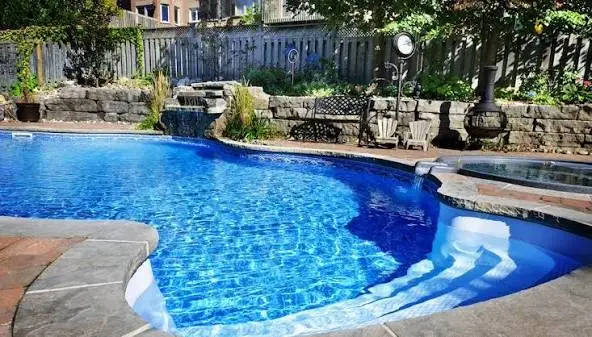
Reach Out For Your Free Quote
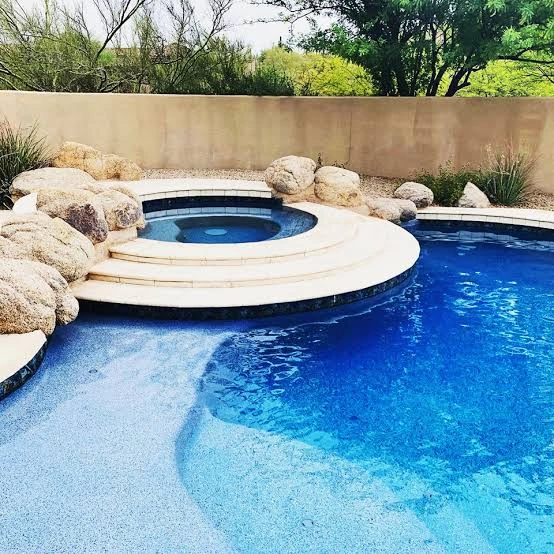
Professional Property Review
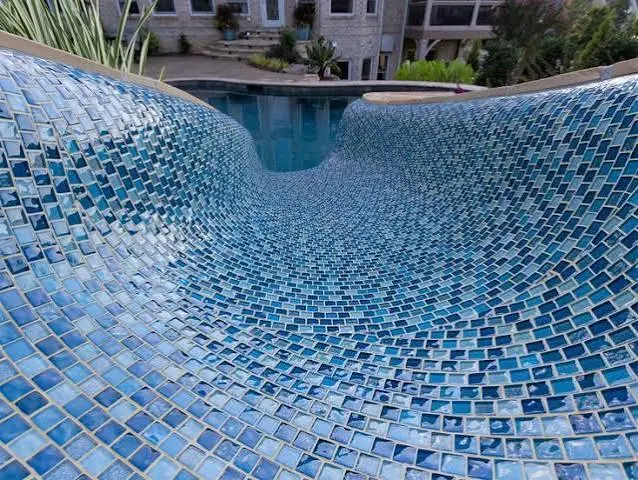
Honest Service Costs
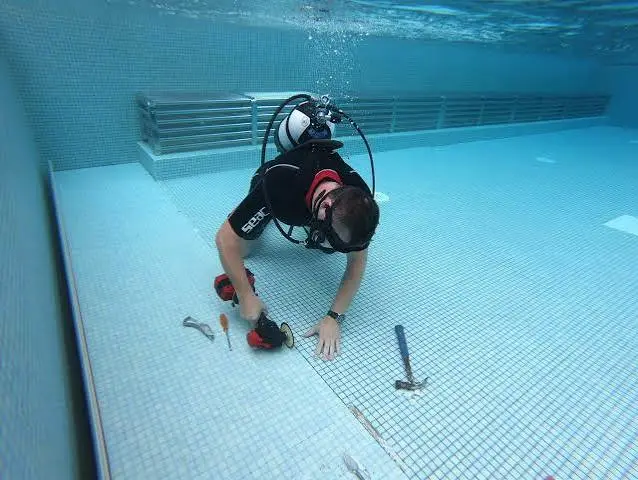
The Transformation Begins!
Texas heat, UV exposure, and hard water gradually break down pool plaster. In Lockhart, sustained summer water temperatures and mineral-heavy municipal water speed up wear compared to cooler, softer-water climates. If your pool has become rough, stained, or cracked, resurfacing restores both its appearance and its structural protection.
Pool Resurfacing Austin Tx has worked on pools across Lockhart, Texas and the surrounding Central Texas area for more than 20 years, including homes near Crystal Creek Drive, Southwest Parkway, and Lockhart Boulevard. Two decades of hands-on plaster, tile, and coping work has shown a consistent pattern in this region: local pools tend to wear faster than the general averages quoted for plaster finishes, largely due to prolonged high water temperatures and calcium content in the water supply. Every resurfacing job follows Pool and Hot Tub Alliance (PHTA) industry standards, from surface preparation to final finish application.
A pool surface has a service life. Most plaster finishes last between 7 and 15 years nationally, though local conditions can shorten that range without proper water balance and maintenance. Once cracks, stains, or rough patches appear, the surface is past its usable life. Waiting longer usually means the damage spreads to the pool shell underneath, which raises repair costs.
This page covers the pool resurfacing services available in Lockhart, Texas, the finish options that hold up best under local conditions, the warning signs that signal it’s time to resurface, and what to expect when working with a licensed pool resurfacing company. A free inspection and quote is available for homeowners who want a clear read on their pool’s condition before deciding on next steps.
Pool Resurfacing Near Me
Professional Pool Resurfacing Services in Lockhart, Texas
Pool Resurfacing Austin Tx provides a full range of pool resurfacing and pool remodeling services for homeowners in Lockhart, Texas. Each service addresses a specific part of the pool structure or surface, from full replastering to smaller repairs like coping and skimmer replacement.
Pool Remodeling
Pool remodeling covers larger-scale changes to an existing pool. This includes updating the shape, depth, finish, tile, and lighting in a single project. Homeowners often combine remodeling with resurfacing to address structural wear and outdated design at the same time. A remodel extends the pool’s usable life and updates it to current material standards.
Pool Resurfacing
Pool resurfacing replaces the interior finish of the pool shell. The process starts with draining the pool, removing the old surface layer, and applying a new finish material. Pool resurfacing near Lockhart typically takes between 5 and 10 days from start to refill, depending on pool size and finish type selected.
Pool Replastering
Pool replastering is a specific type of resurfacing that applies a fresh layer of plaster over the prepared concrete shell. Replastering addresses surface cracking, discoloration, and rough texture. It is the most common resurfacing method for standard in-ground concrete pools in Lockhart, Texas.
All Tile Pools
Some pools use tile across the entire interior surface instead of plaster or aggregate finishes. All tile pools require specialized installation and grout work. Tile surfaces resist staining and chemical damage better than plaster, though installation and repair costs run higher due to labor requirements.
Pool Skimmer Installs
The pool skimmer removes debris and surface contaminants before they sink or clog the filtration system. A damaged or undersized skimmer reduces water circulation efficiency. Pool skimmer installs address cracked skimmer housings, faulty weirs, and skimmer basket replacement as part of a resurfacing or standalone repair project.
Pool Lights
Pool lights are usually replaced or upgraded during a resurfacing project, since the pool is already drained. Older incandescent and halogen fixtures are commonly swapped for LED units, which use less energy and last longer. Light housings are resealed to prevent water intrusion.
Waterline Tile
Waterline tile sits at the water’s surface line, protecting the plaster edge from scale buildup and staining. Over time, waterline tile can crack, loosen, or discolor from calcium deposits. Replacing waterline tile during resurfacing keeps the pool’s edge protected and gives the finish a clean, defined border.
Pool Coping
Pool coping is the cap that sits along the edge of the pool shell, connecting the pool structure to the surrounding deck. Coping protects the bond beam from water damage and provides a slip-resistant edge for swimmers. Cracked or shifting coping is a common issue in older pools and is addressed during resurfacing projects.
Pool Crack Repair
Cracks in the pool surface or shell can result from ground movement, structural settling, or age. Surface cracks are typically cosmetic and addressed during resurfacing. Structural cracks that extend into the concrete shell require deeper repair before a new finish is applied. Ignoring structural cracks can lead to water loss and shell damage.
Pool Railings & Ladders
Pool railings and ladders provide entry, exit, and safety support for swimmers. Older railings and ladders can corrode, loosen from their anchors, or fail to meet current safety expectations. Replacement is often done alongside resurfacing, since anchor points are more accessible while the pool is drained.
Pool Finish Options for Every Backyard
Choosing a pool finish affects appearance, texture, and how long the surface lasts before the next resurfacing job. Each finish type has different material costs, application methods, and expected service life.
White Plaster
White plaster is the standard, most widely used pool finish. It provides a smooth, classic white or light-colored surface. White plaster typically lasts 7 to 10 years before it needs replacement. It is the most cost-effective finish option among standard resurfacing materials.
Quartz Finish
Quartz finish blends plaster with ground quartz aggregate, adding strength and color options beyond standard white plaster. Quartz finishes generally last 10 to 15 years. The added quartz content improves resistance to staining and surface wear compared to plain plaster.
Pebble Finish
Pebble finish uses small natural pebbles mixed into the plaster base, creating a textured surface. Pebble finishes are more durable than standard plaster, with a typical service life of 15 to 20 years. In Central Texas, this added durability matters more than in milder climates, since sustained heat and hard water shorten the life of standard plaster faster than pebble aggregate. The textured surface also improves slip resistance on pool steps and shallow areas.
Pebble Tec® & Pebble Sheen®
Pebble Tec® and Pebble Sheen® are branded pebble aggregate finishes known for their durability and range of color and texture options. Pebble Sheen® uses smaller pebbles for a smoother feel underfoot, while Pebble Tec® uses larger aggregate for a more textured surface. Both are applied using specialized techniques that affect long-term surface performance.
Aggregate Pool Finishes
Aggregate pool finishes combine plaster with materials like quartz, pebble, or glass beads. These finishes offer more color depth and surface texture than standard plaster. Aggregate finishes generally cost more upfront but offset that cost with a longer service life.
All Tile Pools
For homeowners wanting maximum durability, all tile pools use ceramic or glass tile across the entire pool surface instead of a plaster-based finish. Tile does not stain or etch the way plaster can, and it holds color without fading. Tile finishes require more precise installation and carry a higher material and labor cost.
Common Signs Your Pool Needs Resurfacing
Pool surfaces don’t fail all at once. Warning signs build gradually. Recognizing these signs early helps avoid larger structural repairs.
Surface Cracking
Small cracks in the plaster surface are often the first visible sign of wear. Left alone, surface cracks can widen and allow water to seep behind the finish, accelerating damage to the pool shell.
Peeling Plaster
Peeling plaster occurs when the finish separates from the underlying concrete shell. This is often caused by poor bonding during the original application or long-term water chemistry imbalance. Peeling exposes rough concrete and creates a safety hazard for swimmers.
Rough Surface
A pool surface that feels rough or abrasive to the touch has typically lost its top layer of plaster or aggregate. Rough surfaces are uncomfortable for swimmers and are a sign that the finish is nearing the end of its service life.
Plaster Flaking
Flaking plaster comes off in small chips or fragments. It typically points to poor original installation or chemical damage from imbalanced pool water. Flaking often appears alongside discoloration and rough texture.
Surface Wear
General surface wear includes thinning plaster, faded color, and a loss of the smooth, sealed finish. Wear accelerates in pools with heavy use, inconsistent water chemistry, or age beyond the finish’s expected service life.
Stains
Stains on a pool surface usually come from metals in the water, such as iron or copper, or from organic debris. In areas with hard, mineral-heavy water like Lockhart, calcium scaling adds another common source of surface staining along the waterline. While some stains can be treated chemically, deep or widespread staining often signals it’s time for a new finish.
Water Loss
Pools naturally lose some water to evaporation. According to the PHTA, evaporation typically accounts for about a quarter inch to half inch of water loss per week, depending on climate. Water loss beyond that range can indicate a crack or leak in the pool shell or plumbing, which should be inspected before resurfacing.
Concrete Exposure
When plaster wears away completely, the underlying concrete shell becomes visible. Exposed concrete is rough, porous, and vulnerable to further deterioration. This is one of the clearest signs that resurfacing is overdue.
Surface Discoloration
Discoloration includes blotchy patches, gray staining, or an uneven finish color across the pool surface. It often results from age, chemical exposure, or an underlying issue with the plaster mix used during the original application.
What a Free Pool Inspection Includes
Before any resurfacing work begins, a technician inspects the pool to confirm what the job actually requires. This step prevents surprises once work is underway and gives homeowners a clear, itemized quote instead of a rough estimate.
A typical inspection covers:
- Surface condition assessment, including cracking, staining, and plaster thickness
- Structural check of the pool shell, coping, and bond beam
- Skimmer, light, and equipment condition tied to the resurfacing scope
- Finish recommendation based on pool use, budget, and local water conditions
- A written quote with timeline and cost breakdown
Homeowners in Lockhart, Texas can schedule a free pool inspection and quote before committing to a resurfacing or remodeling project. There’s no obligation to move forward after the inspection — it’s a starting point for an informed decision.
Why Homeowners in Lockhart Choose Pool Resurfacing Austin Tx
Pool Resurfacing Austin Tx has worked with homeowners in Lockhart, Texas and the greater Austin area since 2004. Over two decades of pool resurfacing and remodeling work in Central Texas has meant repeated exposure to the same local challenges: hard water scaling, cracking from expansive clay soil movement, and plaster wear accelerated by long, hot summers. That repeated exposure shapes a process built around safety standards, clear timelines, and consistent workmanship, rather than a generic approach applied the same way in every climate.
Surface Preparation Suited to Local Conditions
Proper bonding between old and new plaster depends on surface preparation, not just the finish material chosen. In Lockhart’s hard-water conditions, calcium deposits and mineral scaling on the old surface have to be fully removed before a new finish is applied. Skipping this step is a common cause of early plaster failure. Every job includes acid washing and mechanical surface prep to address local water conditions before resurfacing begins.
Licensed, Bonded, Insured
All work is performed under proper licensing, bonding, and insurance coverage. This protects homeowners from liability during construction and confirms the crew meets state and industry requirements for pool construction work.
Experienced Pool Technicians
Pool technicians on every job bring hands-on experience with plaster application, tile work, coping installation, and structural crack repair. Experience matters in resurfacing work, since surface preparation and application technique directly affect how long a new finish lasts.
Coping and Bond Beam Attention
Central Texas has expansive clay soil, which shifts with seasonal moisture changes and puts stress on pool coping and the bond beam. Coping is inspected for movement or cracking as part of every resurfacing job, not treated as a separate add-on service. Addressing this during resurfacing helps prevent the same cracking issue from returning shortly after the new finish is applied.
Clear Communication Throughout the Job
From the initial inspection through final water balancing, homeowners are kept informed on project status, material choices, and any changes to scope or timeline. Clear communication reduces surprises during what is often a significant home improvement project.
Timely Completion
Resurfacing projects follow a defined timeline, communicated before work begins. Delays are communicated as soon as they’re identified, so homeowners know what to expect at each stage of the project.
Frequently Asked Questions About Pool Resurfacing in Lockhart, Texas
How do I know if my pool needs resurfacing or just replastering?
If the pool shell is structurally sound and only the surface finish is worn, cracked, or stained, replastering is usually sufficient. If there’s structural damage, shifting coping, or plumbing issues, a broader resurfacing or remodeling project may be needed. A pool inspection determines which applies.
What is the average lifespan of a pool plaster finish?
Standard white plaster typically lasts 7 to 10 years. Quartz finishes last 10 to 15 years. Pebble and aggregate finishes can last 15 to 20 years or more, depending on water chemistry and maintenance.
Can pool resurfacing fix cracks and structural damage?
Surface-level cracks are addressed during standard resurfacing. Structural cracks that extend into the concrete shell require additional repair work before a new finish is applied. A technician can determine crack severity during inspection.
Is Pebble Tec® better than standard plaster?
Pebble Tec® offers a longer service life and more texture and color options than standard white plaster, but it costs more upfront. The right choice depends on budget, expected pool usage, and how long the homeowner plans to keep the current finish.
How soon can I swim after pool resurfacing?
After resurfacing, the pool needs to be refilled and the water chemistry balanced before swimming. This process typically takes several days, depending on finish type and curing requirements.