
Pool Resurfacing New Braunfels, Texas
Our Resurfacing/Remodeling Process
We value your schedule and work quickly!
Reach Out For Your Free Quote
Professional Property Review
Honest Service Costs
The Transformation Begins!
If your pool surface feels rough on bare feet, stains no longer scrub away, or the water level keeps dropping, the plaster has likely reached the end of its service life. Left alone, a failing surface exposes the concrete shell underneath and turns a resurfacing job into a structural repair. Pool Resurfacing Austin Tx has resurfaced and replastered pools throughout Central Texas since 2004, including properties across New Braunfels. We inspect the pool first, explain what’s actually happening to the surface, and provide a written quote before any work begins.
Pool Resurfacing Near Me
Professional Pool Resurfacing Services in New Braunfels, Texas
New Braunfels sits on hard water. Calcium and mineral content in the local water supply speed up plaster wear compared to areas with softer water. That’s one reason pools here often need resurfacing sooner than the national average suggests. Whether you found us searching for pool resurfacing near me or pool restoration near me, the services below cover everything from a simple replaster to a full pool remodel.
Pool Remodeling
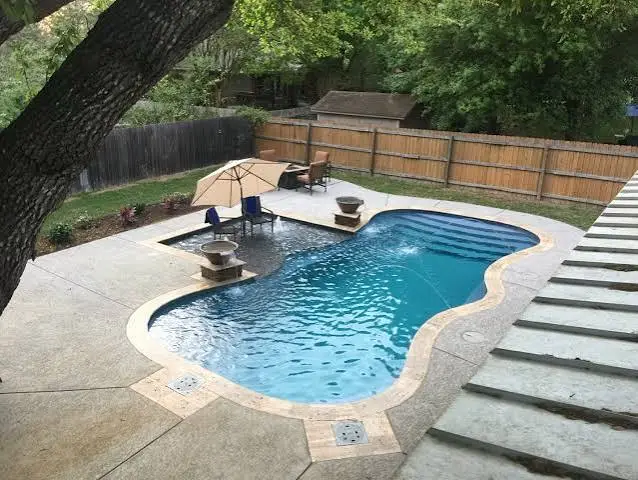
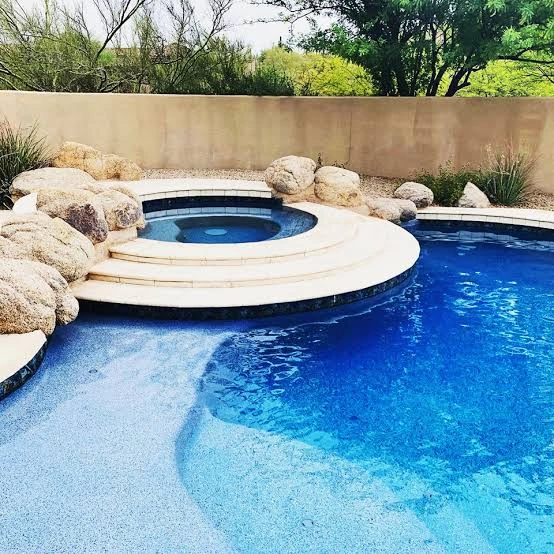
A remodel changes how the pool looks and functions, not just how it feels underfoot. This might mean squaring off an old-style rounded pool, adding a tanning ledge, extending the shallow end, or converting to a saltwater system during the same project. Homeowners who remodel and resurface together avoid paying for drainage and prep work twice.
Pool Resurfacing
Resurfacing replaces the interior finish without touching the pool’s structure underneath. It’s the right call when the shell itself is sound, and the problem is limited to the surface — cracking, staining, or a rough finish that used to be smooth.
Pool Replastering
Replastering is the most common form of resurfacing we perform in New Braunfels. Many homes built before 2005 still have their original marcite plaster, a finish that’s now reaching or past its expected 20+ year lifespan. If your home falls into that range, the plaster is likely original.
All Tile Pools
A handful of New Braunfels pools use tile across the entire interior instead of plaster. Full-tile pools resist staining better than plaster but need grout inspected regularly, since failed grout lines are usually where leaks start on tile interiors.
Pool Skimmer Installs
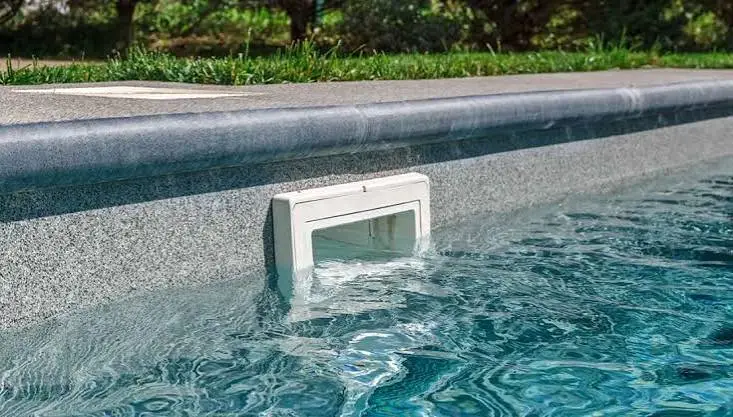
A cracked skimmer housing pulls air into the pump instead of water, which shows up as weak circulation or a noisy pump. We replace skimmer housings and baskets during resurfacing so the repair is sealed into the new surface rather than patched around old plaster.
Pool Lights
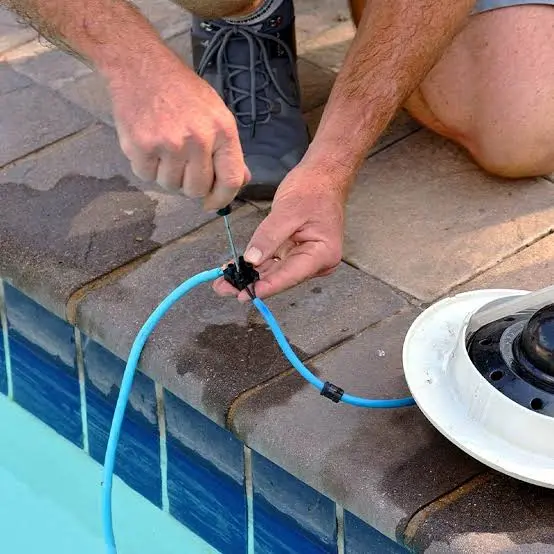
Light niches are a common leak point once the surrounding seal ages. During resurfacing, we check every light fixture, replace housings that show corrosion or gaps, and reseal the niche before the new finish goes on — not after.
Waterline Tile
The waterline tile band takes the most direct sun and scale exposure of any surface in the pool. When it cracks or discolors first, it’s often a preview of what’s happening to the plaster just below the waterline.
Pool Coping
Coping takes direct Texas summer heat and UV exposure year-round, which is why it often cracks or shifts before the pool surface does. We handle pool coping installation on new builds, pool coping replacement on aging pools, and pool coping repair for coping that’s cracked but still structurally sound.
Pool Crack Repair
Not every crack means the pool needs full resurfacing. We run a leak detection check first to see whether a crack is cosmetic, in the plaster only, or structural, reaching into the concrete shell. That distinction determines whether the fix is a patch or a full resurface.
Pool Railings & Ladders
Railings and ladders see constant stress from being gripped, stepped on, and leaned against. We install code-compliant hardware anchored properly into the deck or coping, since a loose railing is a liability that’s easy to prevent during a resurfacing project.
Pool Finish Options for Every Backyard
The finish you choose determines two things: how the pool looks underwater and how long you’ll go before this project comes up again. In New Braunfels specifically, water hardness plays a bigger role in finish lifespan than most homeowners expect.
White Plaster
White plaster is the most affordable finish, and the one most homeowners already have. It typically lasts 7 to 10 years, but that range narrows toward 7 in homes with hard water and inconsistent chemical maintenance, and stretches toward 10 with regular brushing and balanced water chemistry.
Quartz Finish
Quartz finish adds ground quartz aggregate to the plaster mix, which increases surface hardness and resistance to etching from acidic water. It runs 10 to 12 years under normal conditions and holds up noticeably better than white plaster against New Braunfels’ mineral content.
Pebble Finish
Pebble finish embeds small natural stones into the surface, creating texture that resists staining better than smooth plaster. Most pebble finishes reach 12 to 15 years before resurfacing is needed again.
Pebble Tec® & Pebble Sheen®
These are branded pebble aggregate systems with tighter control over stone size and blend consistency than generic pebble finishes. Pebble Sheen® uses smaller stones for a smoother underfoot feel; Pebble Tec® uses larger stones for more traction, which matters around pool steps and shallow ends where kids play.
Aggregate Pool Finishes
Aggregate finishes mix plaster with quartz, granite, or glass bead material. They resist chemical wear better than standard plaster, which makes them a reasonable choice for pools that see heavy summer use and frequent chemical adjustment.
All Tile Pools
Full tile interiors last the longest of any finish option, often 20 years or more, but the tradeoff is a higher upfront cost and grout lines that need periodic sealing to prevent water intrusion behind the tile.
Common Signs Your Pool Needs Resurfacing
Most homeowners don’t notice plaster failure until it affects how the pool feels or how much water it’s losing. By the time the concrete shell is visible, the repair scope — and cost — has usually grown.
Surface Cracking
Fine cracks, known as checking, are usually the first visible sign of plaster aging. They start small and widen with each freeze-thaw and heat cycle Central Texas puts them through.
Peeling Plaster
When plaster loses its bond to the shell, it peels away in sheets rather than wearing down evenly. This is more common in pools where the original application didn’t cure properly or where water chemistry was neglected for extended periods.
Rough Surface
A rough, scratchy surface is often blamed on “just getting old,” but it’s usually a chemical issue: acidic water etching the plaster over years. Bare feet and pool toys pick up on it before most owners think to check the water balance.
Plaster Flaking
Flaking shows up first near steps, benches, and the waterline — the areas with the most physical contact and sun exposure. Once flaking starts, it accelerates, since each exposed chip gives water a new entry point into the plaster below.
Surface Wear
General wear looks like thinning color, a chalky texture, and a surface that no longer feels like it did when the pool was new. It’s gradual, which is why most owners underestimate how far along it’s gotten.
Stains
Stains that survive normal brushing usually mean the plaster has become porous enough to absorb minerals or organic material. At that point, cleaning products won’t fix it — the surface itself needs to be replaced.
Water Loss
Losing more than about a quarter inch of water per day, beyond normal evaporation, points to a leak somewhere in the system. We run leak detection before assuming resurfacing will solve it, since the loss could be plumbing, not plaster.
Concrete Exposure
Visible concrete means the plaster is gone in that spot, not just worn thin. This is the stage where delaying resurfacing risks damage to the pool’s structure, not just its appearance.
Surface Discoloration
Blotchy or uneven color, especially combined with a rough texture, usually signals the plaster is breaking down at a chemical level, not just a cosmetic one. This is common in pools where pH has swung outside the ideal range repeatedly over several seasons.
Why Homeowners in New Braunfels Choose Pool Resurfacing Austin Tx
We’ve worked on pools across Central Texas since 2004, which means we’ve seen how local water conditions, summer heat, and pool age combine to wear down surfaces faster than they would in milder climates. Here’s what that experience looks like in practice.
Experienced Pool Technicians
Our technicians have replastered and resurfaced pools ranging from decades-old marcite plaster to newer pebble and quartz finishes. That range matters — a 1990s pool shell behaves differently under a leak detection test than one built ten years ago.
Licensed, Bonded, Insured
We carry the licensing, bonding, and insurance required for pool construction and resurfacing work in Texas. If something goes wrong on the job site, homeowners aren’t the ones exposed to the liability.
Clean Job Site
Draining, prep, and application all generate debris. We contain it to the work area and clean up at the end of each work day, not just at project completion.
Respectful Team
Crews show up during the agreed hours, communicate before entering the property, and treat the backyard as someone’s home — because it is.
Clear Communication Throughout the Project
Homeowners hear from us at each stage — draining, prep, application, and curing — not just at the start and the invoice. Questions get answered directly, without a runaround.
Timely Completion
We give a realistic timeline before starting, based on pool size, finish type, and current weather. Most projects finish within that window; when Texas heat or rain pushes things back, we say so before it becomes a surprise.