
Pool Resurfacing Elgin, Texas
Our Resurfacing/Remodeling Process
We value your schedule and work quickly!
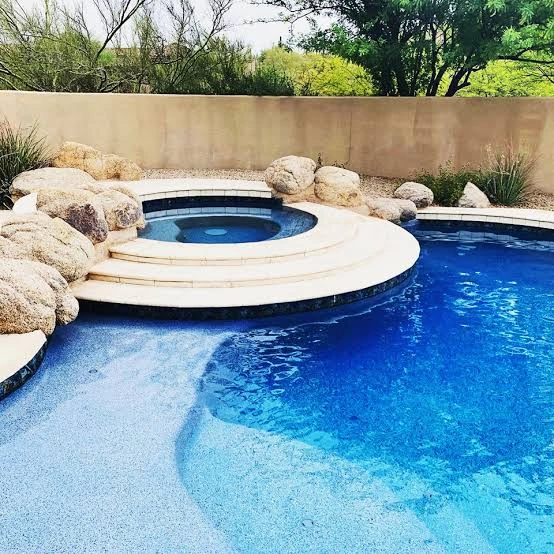
Reach Out For Your Free Quote
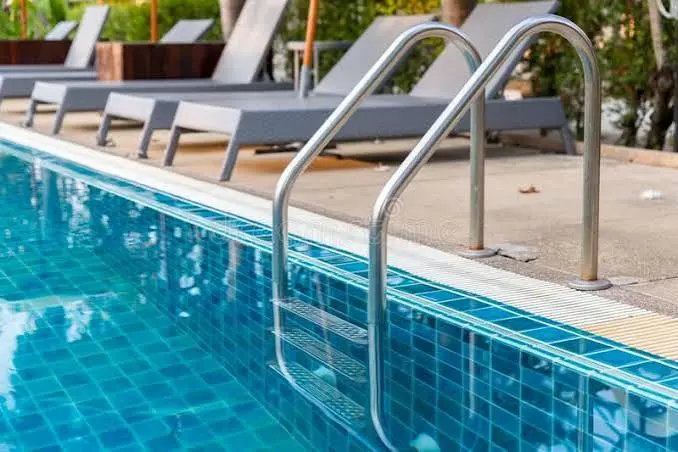
Professional Property Review
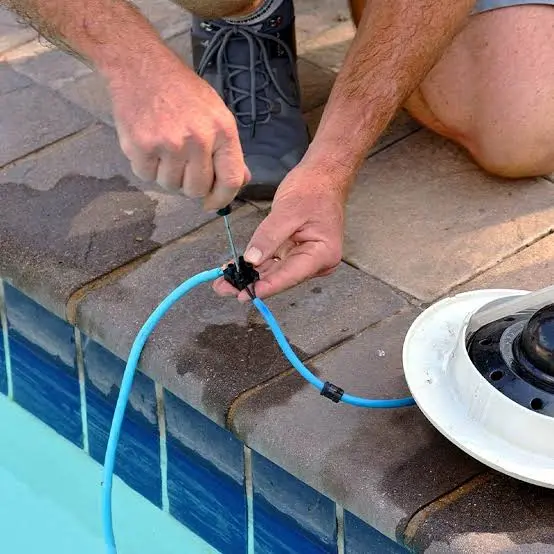
Honest Service Costs
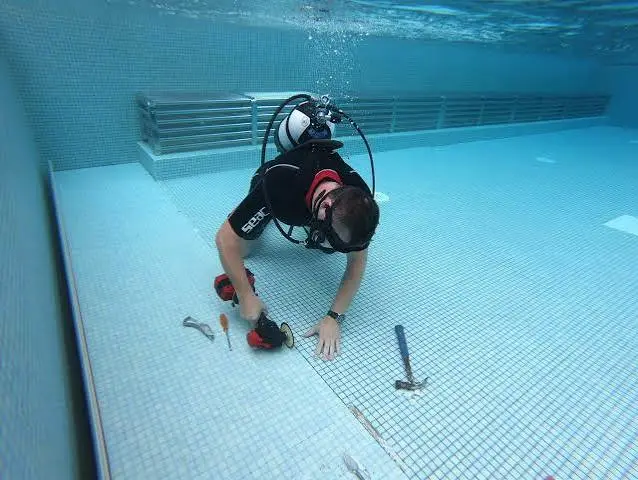
The Transformation Begins!
Professional Pool Resurfacing Services in Elgin, Texas
Pool surfaces don’t fail overnight. They fail after years of sun exposure, hard water, and Central Texas temperature swings working against the same finish, season after season. Elgin sits in a climate where summer surface temperatures push past 100°F and winter nights drop near freezing. That expansion and contraction cycle stresses plaster and pool coping in ways homeowners in milder climates rarely deal with.
Add in Elgin’s hard water, which carries higher calcium content than many parts of the country, and plaster surfaces face a second problem: calcium scaling, where dissolved minerals build up on the surface and roughen the texture years before the finish should wear out. Central Texas clay soils add a third factor. These soils expand and contract with seasonal rainfall, causing slight ground movement under older subdivisions and newer developments alike, which can stress a pool shell over time.
Most plaster finishes last 7 to 10 years under normal conditions. In Elgin, that number often lands on the lower end unless water chemistry stays balanced year-round. If your pool has rough plaster, stains, cracks, or peeling, identifying the underlying cause before resurfacing helps prevent repeat repairs. Pool Resurfacing Austin Tx inspects the shell, the plaster bond, and the water chemistry history before recommending a plan, rather than assuming every pool needs the same fix.
Pool Resurfacing Near Me
Our Pool Resurfacing & Remodeling Services in Elgin, Texas
A pool shell is typically built from gunite, a sprayed concrete material that forms the structural base under the finish. The finish itself is a separate layer bonded to that shell. When that bond fails, or when the shell shifts slightly from seasonal soil movement, the surface shows it first. Below is how we address each part of that system, and why each step matters for the life of your pool.
Pool Remodeling
A remodel treats the pool as one connected system rather than a collection of separate parts. If the coping is cracking at the same time the plaster is scaling and the waterline tile grout is failing, fixing each issue separately wastes money and time. We sequence a remodel so surface work, tile, coping, and equipment repairs happen in the right order. This saves homeowners from paying for the same section of the pool twice.
Pool Resurfacing
Resurfacing removes the existing plaster or aggregate layer down to the shell, then reapplies a new finish bonded directly to that surface. How well that bond forms determines how long the new finish lasts. A rushed application is the most common reason resurfacing jobs fail early, causing the new finish to separate from the shell within a few years instead of lasting a full decade. We take the time needed to prep the shell properly, so homeowners aren’t paying for a repeat job sooner than expected.
Pool Replastering
Replastering is resurfacing specific to plaster and aggregate finishes, as opposed to full tile pools. Before applying new plaster, we check the shell for small cracks and confirm the old plaster has been fully removed rather than coated over. Skipping this step is a shortcut some contractors use to save time, but it leads to the new plaster failing within a couple of years. We remove old material completely so the new finish bonds correctly the first time.
All Tile Pools
Tile-finished pools rely on the grout between tiles and the surface underneath to stay watertight. In Elgin’s hard water, grout lines collect calcium buildup faster than in soft-water regions, which can hide early cracking until water reaches the layer underneath. We remove failing tile, repair the surface underneath, and reset tile with grout built to hold up against constant water exposure and mineral content, so homeowners get more years out of the repair.
Pool Skimmer Installs
The skimmer connects to the plumbing through a fitting at its base. Seasonal ground movement and freeze-thaw cycles can crack this fitting over time, which reduces how well the skimmer pulls debris out of the water and lets leaves and dirt bypass it entirely. We inspect and replace this fitting as part of resurfacing, since a cracked fitting behind a fresh plaster job would mean reopening the new surface later to fix it.
Pool Lights
Light fixtures seal against the pool shell using a rubber gasket that wears out over years of chemical and sun exposure. During resurfacing, we remove the fixture, check the wiring for water damage, and reseal the housing before the new finish sets around it. This step keeps water from tracking behind the light and reaching the electrical wiring, which is a safety issue as well as a repair cost.
Waterline Tile
Waterline tile fails faster than any other tile in the pool because it sits right at the boundary between water and air. That boundary experiences the most temperature swings of any surface in the pool, which loosens grout and eventually the tile itself. Combined with calcium buildup from evaporation at the waterline, this band typically needs replacement well before the rest of the pool’s finish, which is why we inspect it closely during every resurfacing job.
Pool Coping
Coping caps the edge of the pool shell and includes expansion joints, small gaps designed to absorb the shell’s natural movement from heat and shifting soil. When these joints wear out or get filled with the wrong material, that movement transfers directly into the coping stone and cracks it. We replace worn joints and reset coping so it can move independently of the deck, helping homeowners avoid the more expensive coping repairs that come from a small crack going unnoticed for years.
Pool Crack Repair
Not every crack means the same thing. A surface crack limited to the plaster is a finish problem, fixable during resurfacing. A crack that extends into the shell itself, especially one that’s wider on one end than the other, points to structural movement, often related to Elgin’s clay soil shifting with seasonal rainfall. This type needs a closer look before any cosmetic repair. We check crack depth and pattern first, since covering a structural crack with new plaster only hides the problem and costs more to fix correctly later.
Pool Railings & Ladders
Railings and ladders anchor into the deck and pool shell through fittings that can corrode after years of chlorine and sun exposure. This corrosion weakens the hold without always showing damage above the surface, which makes it easy to miss during a casual look. We test each anchor point during resurfacing and replace any fitting that doesn’t meet a secure, safe standard, so families aren’t relying on a railing that looks fine but isn’t.
Pool Finish Options for Every Backyard
Every finish option balances three things: how it holds up against Elgin’s hard water, how it handles sun and heat exposure, and how long it lasts before needing replacement again. These factors matter more here than in regions with softer water or milder weather.
White Plaster
White plaster is a cement and marble mix, and it’s the most sensitive finish to hard water. In Elgin, plaster absorbs calcium out of balance faster than other finishes, which is why plaster pools need closer water chemistry monitoring. Expect 7 to 10 years of service life with consistent maintenance. It remains the most budget-friendly option for homeowners who stay on top of water balance.
Quartz Finish
Quartz finish blends ground quartz into the plaster mix. Quartz is denser than the marble used in standard plaster, so it absorbs fewer minerals from hard water and resists everyday wear better. This is why quartz finishes typically last two to three years longer than plain plaster, landing in the 10 to 12 year range, which can offset the slightly higher upfront cost over time.
Pebble Finish
Pebble finish embeds small natural stones into the plaster base, creating a surface where the stone, not the cement, takes most of the daily wear. Stone resists chemical wear better than cement, so pebble finishes hold up longer against Elgin’s water, typically 12 to 15 years, meaning fewer resurfacing projects over the life of the pool.
Pebble Tec® & Pebble Sheen®
Both are branded pebble finishes using different stone sizes. Pebble Tec® uses larger stones for a coarser, more slip-resistant surface, often chosen for pool floors and steps. Pebble Sheen® uses finer stones for a smoother feel underfoot, more common on pool walls. Stone size changes the texture, but both offer the same durability advantage over plain plaster.
Aggregate Pool Finishes
This category covers quartz, pebble, and glass bead finishes beyond the standard options above. Aggregate finishes cost more upfront because the material costs more and takes more care to apply evenly. In exchange, homeowners get a finish that resists the calcium buildup and sun damage that wear down plaster faster in this area.
All Tile Pools
Ceramic and glass tile don’t absorb minerals the way plaster does, since tile is a fired material that doesn’t soak up water. This is why full tile pools resist staining and calcium buildup better than any other finish, often lasting 20 years or more. Over that lifespan, tile can end up being the more cost-effective choice, even with a higher installation cost upfront.
Common Signs Your Pool Needs Resurfacing
Most pool finishes last between 7 and 15 years, depending on the material and how consistently the water chemistry stays balanced. In Elgin, sun exposure and hard water tend to push finishes toward the shorter end of that range unless maintenance stays consistent.
Surface Cracking
Cracks show up first at corners, steps, and areas near the coping, where the shell experiences the most stress from heat and ground movement. Small cracks start in the plaster alone, but repeated seasonal cycles can drive them deeper over time if left unaddressed.
Peeling Plaster
Peeling happens when the bond between plaster and the shell fails. Elgin’s hard water speeds this up, since calcium buildup at the bond line can prevent proper adhesion during application, especially if the shell wasn’t fully cleaned before the new plaster went on. Once peeling starts, it spreads, so catching it early saves on the total repair area.
Rough Surface
Roughness usually comes from calcium scaling, where dissolved minerals build up on the surface as water evaporates. Central Texas summer heat increases evaporation, which is one reason scaling shows up faster here than in cooler climates, and why homeowners in Elgin often notice this sign sooner than expected.
Plaster Flaking
Flaking occurs when calcium levels in the water run low, causing the water to pull calcium directly out of the plaster to rebalance itself. This means low calcium is just as damaging to plaster as too much, which is why routine water testing matters as much as resurfacing itself.
Surface Wear
General wear spreads evenly across the pool rather than concentrating in one spot. Sun exposure breaks down the plaster’s top layer over years, thinning it gradually until the surface looks dull and mottled overall, rather than damaged in one specific area.
Stains
Stains form when metals like iron or copper, often from well water or aging equipment, bond to the plaster. Algae stains usually lift with acid washing, but metal stains sink into the plaster and typically need full resurfacing to remove for good.
Water Loss
Water loss beyond normal evaporation points to a leak, often at a fitting, a cracked skimmer connection, or a crack in the shell itself. Losing more than a quarter inch of water per day, beyond what evaporation explains, is worth having inspected before it leads to bigger repairs.
Concrete Exposure
When plaster wears through to bare shell material, that surface is now directly exposed to pool chemicals and sun. This exposed material stains faster and wears down quicker once uncovered, so delaying resurfacing at this stage often shortens the life of the shell underneath.
Surface Discoloration
Discoloration in blotches, rather than a uniform fade, usually points to uneven mineral buildup or staining that soaked in at different rates across the surface. This uneven pattern is a sign the plaster’s protective layer broke down inconsistently, which resurfacing corrects evenly across the whole pool.
About Pool Resurfacing Austin Tx
Pool Resurfacing Austin Tx provides pool resurfacing, replastering, and remodeling services to homeowners across Elgin, Texas. We work on pools in older subdivisions with decades-old shells and in newer developments alike, addressing everything from a single cracked fitting to full remodels involving new tile, coping, and finish materials.
Elgin’s combination of hard water, Central Texas heat, and clay soils that shift with seasonal rainfall creates wear patterns we see repeatedly: calcium buildup on plaster, expansion joints failing at coping edges, and waterline tile breaking down faster than the rest of the pool. We factor these local conditions into every inspection, rather than applying the same recommendation to every project that comes through.
Our work follows standards set by the Pool and Hot Tub Alliance (PHTA), and our technicians stay current on materials and techniques as they change across the industry. Every project starts with an in-person inspection, a written explanation of what we find, and a clear cost estimate before any work begins, with recommendations based on your pool’s actual condition rather than a standard package.
Why Homeowners in Elgin Choose Pool Resurfacing Austin Tx
Every year a pool surface goes without proper attention in Elgin’s climate adds to the eventual repair cost. Choosing a contractor who understands local water chemistry and how Central Texas weather affects a pool shell reduces the chance of paying for the same repair twice.
Licensed, Bonded & Insured
We hold the required licensing, bonding, and insurance for pool construction and repair work in Texas. This protects homeowners financially if anything goes wrong during a project, particularly on jobs involving structural crack repair or shell work.
Experienced Pool Technicians
Our technicians have worked on pool shells, tile, and plaster issues specific to hard water regions like Elgin. That experience shows up in how we tell the difference between a cosmetic surface crack and one that needs a closer structural look, so homeowners get an accurate recommendation instead of a guess.
Warranty on Workmanship
We warranty our workmanship, covering issues that trace back to how the work was done rather than normal wear from water chemistry or age. If a finish fails due to an application error on our part, that’s covered under the terms provided at the time of service.
Detailed Inspection and Written Recommendations
Every project starts with a full inspection of the surface, the shell, and the water chemistry history. We provide a written explanation of what we find and why we’re recommending a specific repair or finish, so homeowners understand the reasoning before agreeing to any work.
No Unnecessary Upsells
We recommend finish options and repairs based on the actual condition of your pool, not a standard package applied to every job. If a pool only needs replastering rather than a full remodel, that’s what we recommend.
Clean Job Site
Resurfacing involves draining a pool, prepping the shell, and staging equipment around the work area. We keep the site organized daily and clear it of debris and equipment once each phase finishes, so your property doesn’t sit disrupted longer than necessary.
Respectful Team
Our crew works in residential neighborhoods across Elgin, including older subdivisions and newer developments alike. We keep work hours reasonable, respect property lines, and communicate directly if a schedule needs to shift.
Timely Completion
New plaster and aggregate finishes need a fixed amount of time to cure properly, and rushing this step weakens the final result. We schedule every other phase, draining, prep, tile work, and refilling, around that curing window so the project stays on track without cutting corners.
Clear Communication
We explain what we find during inspection, whether that’s mineral buildup, a structural crack, or a worn expansion joint, in plain terms that connect the problem to the fix. Homeowners know what’s happening at each stage, not just at the final walkthrough.
Frequently Asked Questions About Pool Resurfacing in Elgin, Texas
How long does pool resurfacing take?
Most projects take one to two weeks from draining to refilling. Curing time for the new finish is fixed and varies by material, which is the main factor determining total project length.
How much does pool resurfacing cost in Elgin, Texas?
Cost depends on pool size, the finish selected, and how much shell repair is needed underneath. Plaster costs less than quartz or pebble finishes, and full tile jobs cost more due to material and labor. We provide a written estimate after an in-person inspection.
What is the best pool finish for a saltwater pool?
Quartz and pebble finishes hold up better than standard white plaster in saltwater systems, since salt increases the water’s mineral content and wears down plaster faster. Denser finishes resist that mineral exposure more effectively over time.
How often should a pool be resurfaced?
Most pools need resurfacing every 7 to 15 years. In Elgin’s hard water and heat, plaster pools often fall toward the shorter end of that range unless water chemistry stays consistently balanced.
Do you serve areas outside Elgin?
Yes. Elgin is a primary service area, and we also work with homeowners in nearby communities. Contact us to confirm service availability for a specific address.