
Pool Resurfacing Driftwood, Texas
Our Resurfacing/Remodeling Process
We value your schedule and work quickly!
Reach Out For Your Free Quote
Professional Property Review
Honest Service Costs
The Transformation Begins!
Professional Pool Resurfacing Services in Driftwood, Texas
A worn pool surface leads to higher chemical costs, rough footing, and water loss. In areas with limestone bedrock like the Texas Hill Country, tap water often carries higher mineral content, which can affect how long a plaster finish lasts. Most plaster finishes last 7 to 15 years. In homes with elevated calcium levels in their water supply, that number often lands on the shorter end. Pool Resurfacing Austin Tx provides pool resurfacing, replastering, and remodeling services for homeowners in Driftwood, Texas.
Pool Resurfacing Near Me
Our Pool Resurfacing & Remodeling Services in Driftwood, Texas
Water chemistry, sun exposure, and daily use all wear down plaster, quartz, and pebble finishes. One factor we watch closely on inspections: mineral scaling. Calcium buildup on a plaster surface is one of the more common causes of early wear in areas with harder water. Below are the core services offered for pool owners in Driftwood, Texas.
Pool Remodeling
Pool remodeling updates the structure, finish, and features of an existing pool — reshaping steps, adding tile, replacing coping, updating the interior surface. It’s a way to address function and appearance together, instead of tackling issues one at a time over several years.
Pool Resurfacing
Pool resurfacing removes the old, worn interior finish and applies a new surface layer. It targets rough texture, staining, and minor surface cracks. Finish color plays a bigger role here than people expect. Darker finishes absorb more heat, which raises water temperature during peak summer — something to weigh depending on how the pool gets used.
Pool Replastering
Pool replastering applies a new plaster layer after the old one is fully removed. It remains the most common finish choice due to its lower material cost. For homes with mineral-rich water, a stricter startup balancing schedule in the first few weeks helps prevent early calcium scaling — more on why that first month matters below.
All Tile Pools
Some pools use tile across the entire interior instead of plaster or aggregate finishes. This requires different installation methods, including grout work and waterproof backing. Tile resists mineral buildup better than plaster, which is one reason homeowners who’ve replastered more than once often move to tile on their next resurfacing.
Pool Skimmer Installs
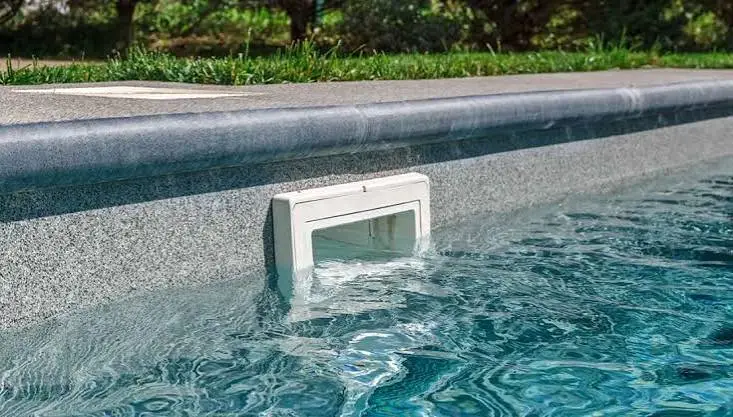
The skimmer pulls debris off the water surface before it sinks. Properties with mature oak or cedar trees nearby tend to see more seasonal strain on skimmer baskets. Installation involves fitting the skimmer body into the pool wall and connecting it to existing plumbing.
Pool Lights
Pool lights sit in a sealed fixture built into the pool wall, added during resurfacing or as a standalone upgrade. LED fixtures use less energy than older incandescent bulbs and are rated for 30,000+ hours — a meaningful difference for pools that run lighting through long summer evenings.
Waterline Tile
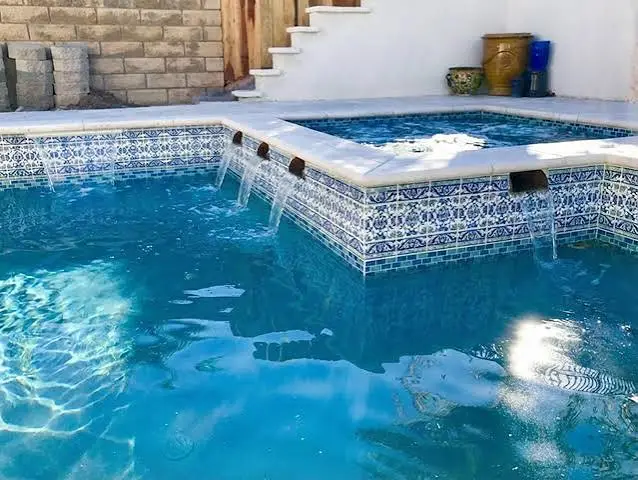
Waterline tile sits at the water’s edge, protecting the finish material just below it from oils, sunscreen, and mineral deposits. It also tends to collect scale buildup faster than the rest of the surface in areas with harder water, so it needs more frequent attention than most homeowners expect.
Pool Coping
Pool coping caps the edge of the pool shell where the deck meets the water, protecting the bond beam underneath. Ground movement from expansive clay or limestone soil is a common reason coping separates from the deck over time — not always obvious until a gap or crack appears.
Pool Crack Repair
Not every crack means the same thing. A hairline crack confined to the finish layer is usually cosmetic. A crack that runs through the shell, widens over months, or lines up with active water loss is a different story — that’s a sign of a structural issue, and it needs inspection before any resurfacing begins. Mixing these two up is one of the more common mistakes we see homeowners make when trying to diagnose a problem themselves.
Pool Railings & Ladders
Railings and ladders provide entry, exit, and support points for swimmers. Corroded or loose railings are a safety risk, not just a cosmetic one. Replacement means anchoring new hardware into the deck or shell to current safety standards.
Pool Finish Options for Every Backyard
Finish choice affects durability, texture, and long-term maintenance. Local heat and water conditions change how each option performs.
White Plaster
White plaster is the standard, entry-level finish, and it costs less than aggregate or tile. In areas with higher mineral content in the water, it can show scaling sooner than the general average. Expect closer to 7 to 10 years of service life unless water balancing stays consistent from the first fill.
Quartz Finish
Quartz finish blends quartz aggregate into the plaster mix, adding both color and surface hardness. It resists staining better than white plaster and typically lasts 10 to 12 years. It handles mineral scaling somewhat better too, making it a reasonable step up for anyone who’s dealt with repeat staining on plaster.
Pebble Finish
Pebble finish uses natural pebble aggregate exposed at the surface — textured, slip-resistant, and durable. It commonly lasts 12 to 15 years with proper maintenance. The exposed aggregate also resists UV fading better than smooth plaster under long stretches of direct sun.
Pebble Tec® & Pebble Sheen®
These are branded pebble aggregate finishes known for consistent manufacturing quality. Pebble Sheen® uses smaller pebbles for a smoother feel; Pebble Tec® uses a coarser mix for more texture. Both sit at a premium price point. Among homeowners resurfacing a second or third time, this is the finish we recommend most often, mainly because it holds up well against the mineral scaling that shortens plaster life.
Aggregate Pool Finishes
Aggregate finishes blend various stone or mineral materials into the surface. Durability often exceeds 12 years, and these finishes generally resist scaling better than plain plaster. Regular brushing still matters — mineral deposits can settle into the textured surface if maintenance lapses.
All Tile Pools
Tile, used across the full interior, offers the longest service life of any common finish — often 20+ years. It’s close to scale-proof compared to plaster. That durability comes at the highest cost tier, largely due to labor-intensive installation.
Common Signs Your Pool Needs Resurfacing
Most pool owners aren’t sure whether they need resurfacing or a smaller repair. These signs fall into two groups: surface-level wear, and deeper deterioration.
Surface-Level Wear: Cracking, Flaking, and Roughness
Surface cracking, plaster flaking, and a rough, sandpaper-like texture tend to show up together as a finish ages. They start small and cosmetic but gradually increase the surface’s exposure to water intrusion. In areas with mineral-heavy water, this pattern can appear a few years earlier than the typical 7-to-15-year window, since scaling makes the surface more brittle over time.
Peeling Plaster
Peeling is different from flaking. It happens when the plaster layer separates from the pool shell in larger sections, often due to poor bonding during the original application or long-term chemical imbalance. It typically calls for resurfacing sooner than smaller flaking issues do.
Stains and Discoloration
Stains come from metals in the water, algae, or organic debris trapped in an aging, porous surface. Mineral staining tends to look like a chalky white or gray film, distinct from the greenish tint associated with algae. Knowing which one you’re looking at changes the fix — mineral staining often points back to water balance, not the finish itself.
Water Loss
Water loss beyond normal evaporation can point to shell cracks or a failed seal around a fixture. A simple way to check: mark the water line, wait 24 hours with the pump off, and compare the drop against a bucket of water left out in the sun over the same period. A bigger drop in the pool than the bucket suggests a leak.
Concrete Exposure
When the finish wears away completely, the underlying concrete becomes visible. This is one of the clearer signs resurfacing is overdue — exposed concrete degrades faster and throws off chemistry readings, since raw concrete reacts differently with chlorine than a sealed finish does.
Why Homeowners in Driftwood Choose Pool Resurfacing Austin Tx
Choosing a resurfacing company involves more than comparing price. Here’s what actually shapes the outcome of a project in this area.
Attention to Local Water Conditions
Water hardness varies by property and by well versus municipal supply, but it’s a factor worth checking before choosing a finish. Startup and balancing schedules are adjusted based on what the water actually tests at, rather than following a generic manufacturer timeline that assumes average conditions.
Licensed, Bonded, Insured
Work is performed under proper licensing and insurance, which protects homeowners from liability during the project and confirms compliance with state requirements for pool construction.
Warranty & Guaranteed Workmanship
Completed work includes a warranty covering workmanship, giving homeowners a clear path if any issue surfaces after the project wraps up.
Clean Job Site
Materials and equipment are managed carefully during the resurfacing process to limit disruption to the yard and surrounding landscaping.
Timely Completion & Clear Communication
Projects run on a timeline communicated before work starts. Updates continue from the initial inspection through the final walkthrough, so homeowners aren’t left guessing about status.
Frequently Asked Questions About Pool Resurfacing in Driftwood, Texas
How long does pool resurfacing take?
Most projects take 3 to 7 days, depending on finish type and pool size. Curing adds a few more days before the pool can be filled and used.
How much does pool resurfacing cost in Driftwood, Texas?
Cost depends on pool size, finish material, and the current surface condition. White plaster costs less upfront but may need replacing sooner in areas with harder water. Tile and premium pebble finishes cost more but tend to hold up longer under those same conditions.
How often should a pool be resurfaced?
Most pools need resurfacing every 7 to 15 years. In areas with mineral-rich water, plaster finishes often land toward the shorter end of that range unless water balancing stays consistent.
What is the difference between pool resurfacing and pool replastering?
Replastering refers specifically to applying a new plaster layer. Resurfacing is the broader term, covering plaster, quartz, pebble, and tile finish applications alike.
Can pool resurfacing fix cracks and leaks?
Resurfacing addresses surface-level cracks as part of the finish application. Structural cracks or plumbing leaks need separate inspection and repair first.
Do you offer free pool inspections or quotes?
Yes — a free inspection and quote are available before starting any project, including a look at how local water conditions might affect finish selection.
What pool finish lasts the longest?
Tile generally lasts the longest, often 20+ years, largely due to its resistance to mineral scaling. Pebble and Pebble Tec® finishes are the next most durable options.
Do I need a permit for pool resurfacing in Driftwood?
It depends on the scope of work. Standard resurfacing often doesn’t require one, but structural repairs or larger remodeling projects may. Checking with local building requirements before starting is the safer move.