
Pool Resurfacing Barton Creek, Texas

Our Resurfacing/Remodeling Process
We value your schedule and work quickly!
Reach Out For Your Free Quote
Professional Property Review
Honest Service Costs
The Transformation Begins!
Worn pool surfaces don’t fix themselves. Cracks widen. Plaster peels. Rough patches scrape skin and stain water. In Barton Creek, this wear moves faster than in most parts of the country. Limestone-heavy water raises calcium levels, and Texas heat accelerates plaster breakdown. Pool Resurfacing Austin Tx serves homeowners in Barton Creek, Texas with resurfacing, replastering, and remodeling work built around these local conditions.
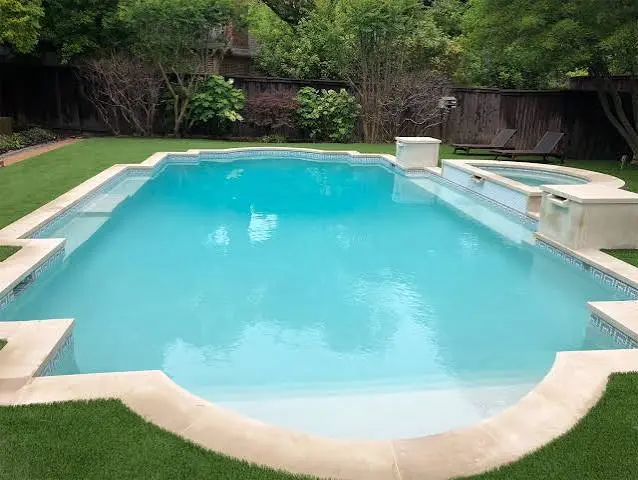
Our crews are licensed, bonded, and insured. Every job starts with an on-site inspection, not a phone estimate. We check the shell, the plaster condition, and the coping before recommending a finish.
A damaged surface only gets worse with time. Small cracks lead to water loss. Water loss leads to costly repairs. Request a free pool inspection to get an honest read on your pool’s condition. Prefer to move forward now? Schedule pool service today and get a completion date on the calendar.
Pool Resurfacing Near Me
Professional Pool Resurfacing Services in Barton Creek, Texas
Barton Creek pools face conditions that differ from other parts of Austin. Hard water from limestone aquifers raises calcium hardness faster here than in areas with softer municipal water. That means plaster surfaces in Barton Creek often show scaling and rough texture sooner than the general 10 to 15 year plaster lifespan suggests. Below is what we handle, based on what we consistently see in this area.
Pool Remodeling
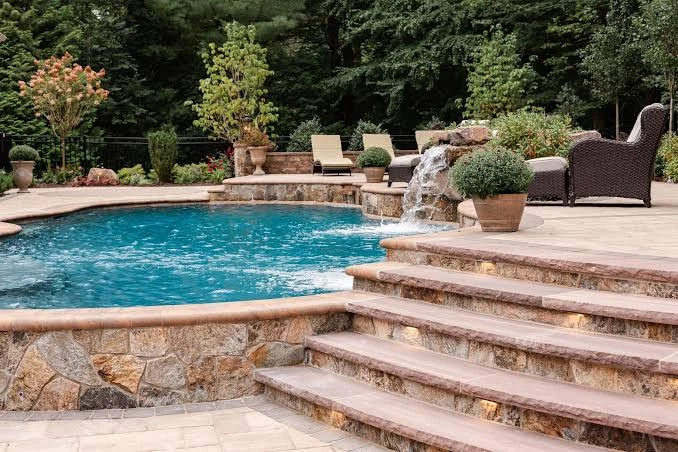
Pool remodeling covers larger updates beyond surface repair. This includes new finishes, updated tile, upgraded lighting, and layout changes. In Barton Creek, we often see homeowners remodel pools built in the 1990s and early 2000s, where original tile and coping styles no longer match updated landscaping. A remodel extends pool life and updates its appearance in one project instead of two.
Pool Resurfacing
Pool resurfacing replaces the top layer of a pool’s interior. In this area, that layer wears down faster from two combined factors: high calcium content in the water and direct summer sun exposure for six or more months a year. We check calcium hardness levels during inspection because resurfacing without correcting water chemistry first often leads to premature scaling on the new surface.
Pool Replastering
Replastering applies a new plaster coat to the pool shell. It’s the most common resurfacing method in Central Texas due to cost. A mistake we see often: homeowners replaster over a shell with unaddressed cracks, which shows through the new plaster within a year or two. We inspect the shell for structural cracks before any plaster goes on, not after.
All Tile Pools
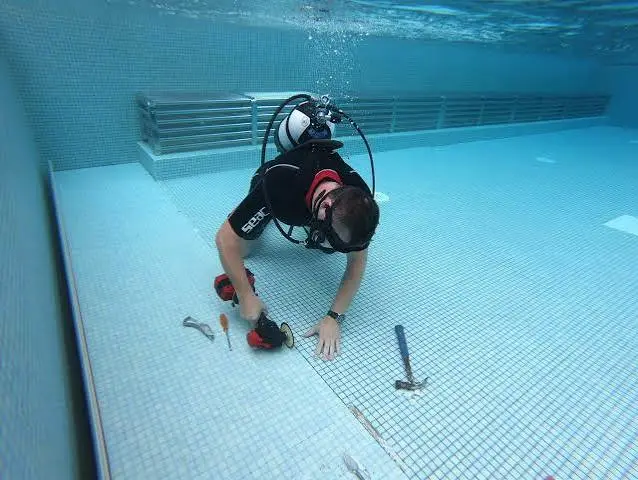
Full-tile pools require different grout maintenance than plaster pools. Grout lines in Barton Creek pools tend to stain faster because of mineral content in the water. We install and repair full-tile surfaces using grout rated for hard water conditions, which reduces how often grout needs resealing.
Pool Skimmer Installs
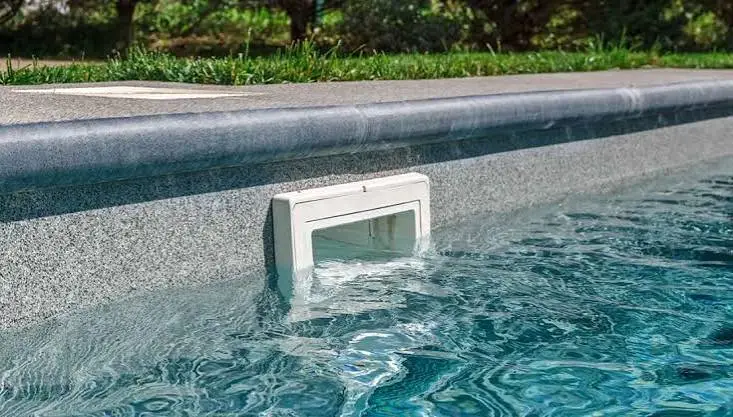
A skimmer pulls debris from the water surface before it sinks and clogs the filter. During resurfacing, skimmer housings are one of the most commonly cracked components we find, usually from age rather than misuse. We replace skimmer housings, baskets, and lids as part of resurfacing work, since it’s far more efficient to address them during the same project than as a separate repair later.
Pool Lights
Homeowners typically replace pool lights during resurfacing, not before, because draining the pool for resurfacing is the easiest time to access the light niche. Older incandescent fixtures also draw significantly more power than LED replacements. Replacing lights during a resurfacing project avoids a second drain-and-refill later.
Waterline Tile
Waterline tile protects the plaster edge from scale buildup, which is a bigger issue in Barton Creek than in areas with softer water. Calcium deposits form a visible ring at the waterline faster here. We replace waterline tile during resurfacing to prevent buildup from migrating onto the new plaster surface.
Pool Coping
Pool coping caps the pool’s edge and protects the bond beam underneath. Freeze-thaw cycles, even Central Texas’s mild winters, cause hairline cracking in coping over years. We see this most in pools built before 2010, before coping installation methods accounted for freeze movement. We repair and replace coping to match existing decking.
Pool Crack Repair
Cracks range from surface checking to structural shell damage. We test crack depth before recommending a repair method — surface cracks get patched during resurfacing, while structural cracks require injection or shell reinforcement first. Skipping this step is the most common mistake we see from prior DIY or rushed repairs: patching over a crack without addressing what caused it, which lets the crack return within a season.
Pool Railings & Ladders
Corroded or loose railings are a liability, especially with HOA safety requirements common in Barton Creek communities. We install and replace railings and ladders to current safety standards, and confirm placement meets any HOA guidelines the property is subject to before final installation.
Pool Finish Options for Every Backyard
Finish choice affects cost, texture, and how the surface holds up against Barton Creek’s water conditions specifically.
White Plaster
White plaster is the standard, most affordable finish. In areas with harder water, like Barton Creek, plain white plaster shows scaling and discoloration sooner than in regions with softer water. It typically lasts 7 to 12 years here, often at the lower end of that range without regular water balancing.
Quartz Finish
Quartz finish blends quartz aggregate into the plaster base, adding strength and stain resistance. It handles the mineral content in Barton Creek water better than plain plaster and generally lasts 12 to 15 years.
Pebble Finish
Pebble finish embeds small stones into the plaster surface. It resists the etching that hard water causes in plain plaster and holds color longer. It’s a common upgrade for homeowners tired of resurfacing every decade.
Pebble Tec® & Pebble Sheen®
These branded pebble finishes hold up well against water hardness and typically last 15 to 20 years. Pebble Sheen® uses smaller stones for a smoother feel; Pebble Tec® uses larger aggregate for more texture and grip.
Aggregate Pool Finishes
Aggregate finishes mix various stone and mineral materials into the plaster base. They offer strong resistance to the scaling common in this area’s water and a range of texture and color options.
All Tile Pools
Full tile resists staining and etching better than any plaster-based finish and often exceeds 20 years of service life. It costs more upfront but avoids the recurring resurfacing cycle that hard water accelerates.
Common Signs Your Pool Needs Resurfacing
These signs show up faster in Barton Creek pools than in areas with softer water, due to calcium content and sustained summer heat.
Surface Cracking
Cracks signal shell movement or surface wear. In this area, hairline cracks often appear first near the waterline, where calcium buildup adds stress to the plaster.
Peeling Plaster
Peeling happens when plaster separates from the shell, usually from poor water balance. High calcium hardness without regular monitoring is a common contributing factor locally.
Rough Surface
A rough, abrasive surface usually means the plaster’s protective layer has broken down. Hard water accelerates this by leaving mineral deposits within the plaster texture.
Plaster Flaking
Flaking means small plaster pieces are breaking off entirely. This is one of the clearer signs a surface is past its usable life and needs replacement, not patching.
Surface Wear
General wear includes thinning plaster and reduced smoothness. Pools that see heavy summer use in Barton Creek, often five to six months of daily swimming, wear faster than seasonal-use pools elsewhere.
Stains
Stains from minerals or algae are common with Barton Creek’s water profile. Persistent staining that doesn’t respond to acid washing usually means the plaster itself has absorbed the discoloration.
Water Loss
Water loss beyond a quarter inch per day, after accounting for evaporation, often points to shell or plumbing cracks. We use dye testing during inspection to confirm the source before recommending repair.
Concrete Exposure
When plaster wears through completely, the concrete shell is exposed to water and chemicals directly. This accelerates shell damage and should be addressed before the next swim season.
Surface Discoloration
Blotchy or uneven coloring often appears before cracking does. In hard water areas, this is frequently an early scaling issue rather than simple aging.
About Pool Resurfacing Austin Tx
Pool Resurfacing Austin Tx is a locally owned, family-run business serving Barton Creek, Texas and surrounding Austin neighborhoods. We work directly with homeowners from the first inspection through final walkthrough — no subcontracted crews handling the actual plaster or tile work.
Our technicians follow standards set by the Pool and Hot Tub Alliance (PHTA), covering surface preparation, application methods, and structural repair practices. We apply those standards with an understanding of local conditions: limestone-heavy water, long summer heat exposure, and the freeze-thaw movement that affects coping and decking even in mild Texas winters.
We’ve worked on pools near Barton Creek Boulevard, Crystal Creek Drive, and throughout the surrounding area, including HOA-governed communities with specific requirements for railings, fencing, and pool equipment placement. That local experience shapes how we plan each project, from permit needs to material selection.
Why Homeowners in Barton Creek Choose Pool Resurfacing Austin Tx
Our Inspection-First Process
We don’t quote a resurfacing job over the phone. Every project starts with an on-site inspection covering shell condition, crack depth, and water chemistry history. This catches structural issues before they get sealed under new plaster.
Licensed, Bonded, Insured
We operate as a licensed, bonded, and insured contractor, which protects homeowners throughout the project and confirms our work meets required standards.
Materials Suited to Local Water Conditions
We select finish materials based on how they perform against Barton Creek’s calcium-heavy water, not just cost. That means recommending quartz or pebble finishes over plain plaster when a homeowner’s water history shows high hardness.
Landscaping and Property Protection
Resurfacing involves draining a pool and moving equipment near planted areas and decking. We use protective coverings around landscaping and decking during drainage and plaster application to limit runoff damage.
Warranty on Workmanship
We stand behind our resurfacing work with a warranty covering workmanship, giving homeowners a clear recourse if an issue develops after completion.
Clear Communication Throughout the Job
Homeowners get a project timeline before work starts and updates at each stage — draining, surface prep, application, and curing — instead of a single call at project completion.
Timely Completion
We stick to the timeline set during inspection and flag any changes immediately, rather than after the fact.
Frequently Asked Questions About Pool Resurfacing in Barton Creek, Texas
How long does pool resurfacing take?
Most projects take 5 to 10 days from drain to refill. Plaster curing adds a few days before the pool can be used again. Weather and finish type affect the exact timeline.
How much does pool resurfacing cost in Barton Creek, Texas?
Cost depends on pool size, current shell condition, and finish type. Plaster resurfacing costs less upfront than pebble or tile, but may need replacement sooner given local water hardness. A free pool inspection gives an accurate quote based on your pool’s actual condition.
How often should a pool be resurfaced?
Plaster typically needs resurfacing every 7 to 12 years in this area, often at the shorter end due to calcium content in local water. Quartz and pebble finishes generally last 12 to 20 years.
What is the difference between pool resurfacing and pool replastering?
Resurfacing is the broader category, covering any replacement of the pool’s interior surface, including plaster, quartz, pebble, or tile. Replastering refers specifically to applying new plaster.
Do you offer financing for pool remodeling?
We offer financing options for qualifying remodeling and resurfacing projects. Contact us to review terms based on your project scope.
Is a permit required for pool resurfacing in Barton Creek?
Standard resurfacing usually doesn’t require a permit. Structural repairs, coping replacement tied to the bond beam, or major remodeling sometimes do, particularly in HOA-governed communities with additional review steps. We handle permit coordination when required.
What pool finish lasts the longest?
Full tile lasts the longest, often exceeding 20 years, since it resists the mineral staining common in Barton Creek’s water. Pebble Tec® and Pebble Sheen® follow closely, typically lasting 15 to 20 years with regular water balancing.