
Pool Resurfacing Taylor, Texas
Our Resurfacing/Remodeling Process
We value your schedule and work quickly!
Reach Out For Your Free Quote
Professional Property Review
Honest Service Costs
The Transformation Begins!
Most homeowners don’t notice pool plaster wearing out until it starts scraping feet, staining near the waterline, or exposing rough patches around the steps. By the time these signs show up, water may already be seeping beneath the surface into the concrete shell below.
Pool Resurfacing Austin, TX has served Taylor, Texas since 2004. Many pools built in the late 1990s and early 2000s around Taylor are now reaching the point where the original plaster is nearing the end of its service life. Clay-heavy soil in this region shifts with seasonal moisture changes, which is a common contributor to the hairline cracking we see during inspections.
A worn pool surface is not only a cosmetic issue. Rough plaster can cut skin. Cracked surfaces let water escape into the surrounding soil, which can worsen the same ground movement that caused the crack in the first place.
Pool Resurfacing Near Me
Professional Pool Resurfacing Services in Taylor, Texas
Every pool ages differently. Water chemistry, sun exposure, and pool usage all affect how fast a surface wears down. Hard water is common in older Taylor neighborhoods on well systems, and it accelerates calcium buildup, which can shorten plaster life if it isn’t monitored. Our services cover the full range of resurfacing and remodeling needs, from small repairs to complete pool renovations.
Pool Remodeling
Pool remodeling updates more than the surface. It can include new decking, updated tile, added lighting, or a redesigned shape. Homeowners often remodel when a pool feels outdated or no longer fits how the family uses the backyard. We walk through design options during the initial consultation so the finished pool works as one system.
Pool Resurfacing
Pool resurfacing replaces the top layer of the pool interior, the part that takes the most damage from water chemistry and sun exposure over time. Wear typically shows up first at the steps and benches, where foot traffic and chemical concentration are highest. Resurfacing restores a smooth, sealed interior and protects the shell underneath.
Pool Replastering
Plaster is the most common pool finish material in Central Texas, typically lasting 7 to 15 years depending on water balance and maintenance. Pools with inconsistent chemical maintenance tend to fall on the earlier end of that range. Replastering removes the deteriorated layer and applies a fresh coat.
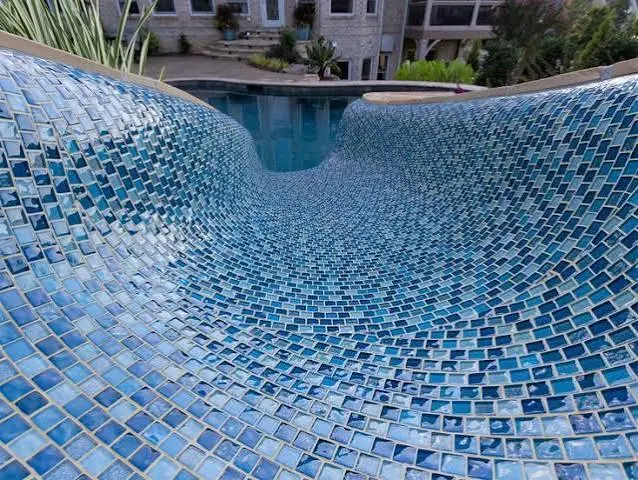
All Tile Pools
Some pools use tile across the entire interior instead of plaster. These require different resurfacing methods: grout lines need inspection, and individual tiles may need replacement rather than a full resurfacing pass. In older tile pools, grout sealant can wear out well before the tile itself, leading to slow water loss that’s often mistaken for evaporation.
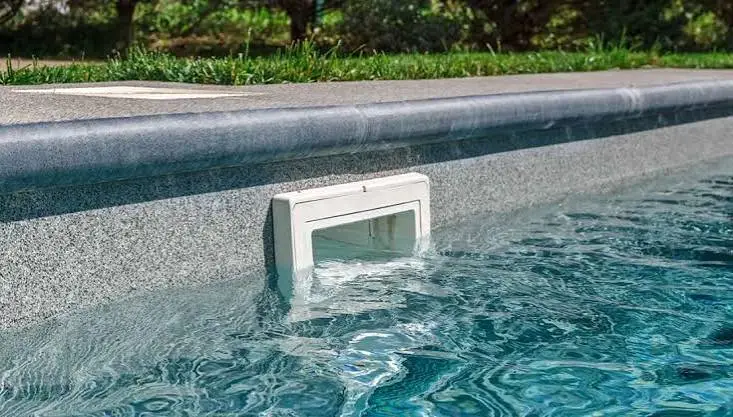
Pool Skimmer Installs
The skimmer basket pulls debris from the water before it reaches the pump. A damaged or poorly placed skimmer reduces circulation and forces the pump to work harder. We inspect skimmer placement during resurfacing and replace units that no longer seal properly against the pool wall.
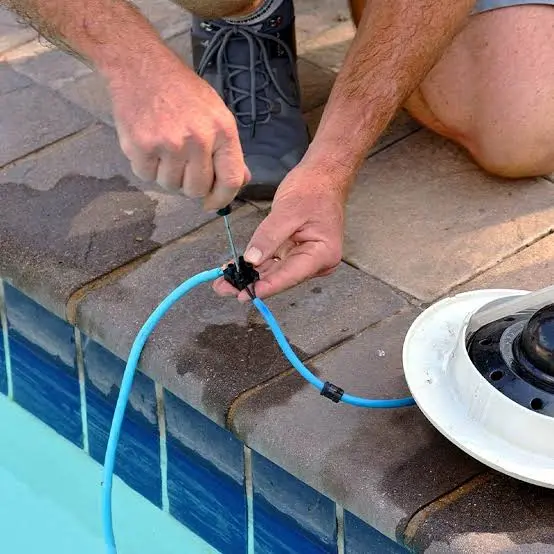
Pool Lights
Pool lights sit inside the pool wall, so their housing is affected during resurfacing. We install new fixtures or reseal existing housings as part of the process. Skipping this step is a known cause of water intrusion around the fixture within a year or two of a new finish going in.
Waterline Tile
Waterline tile sits where the water surface meets the pool wall. This band takes constant exposure to sunscreen residue, body oils, and mineral buildup, and it’s usually where discoloration shows up first. Replacing it during resurfacing gives the pool a finished edge and keeps staining from spreading into the new surface.
Pool Coping
Pool coping caps the pool’s edge, connecting the shell to the deck. It protects the edge from water damage and shifting soil, which matters more in areas like Taylor where ground movement is common. Cracked or loose coping often needs replacement alongside resurfacing.
Pool Crack Repair
Hairline plaster cracks are sometimes mistaken for structural damage. In many cases, they’re limited to the plaster layer and resolve during standard resurfacing. Wider cracks, or ones that appear to be shifting, call for a closer structural evaluation before a new finish is applied.
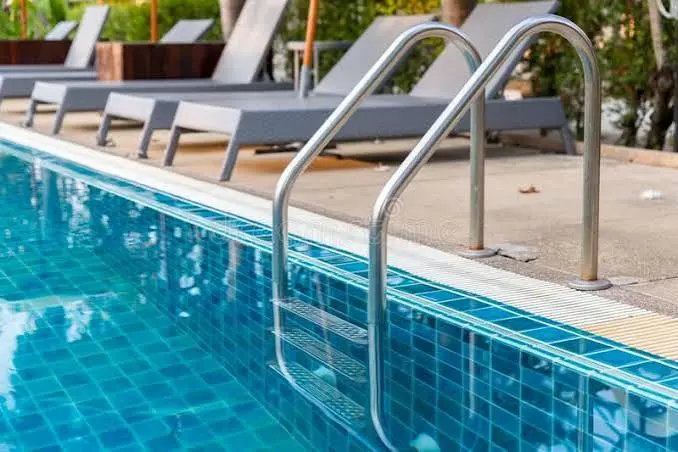
Pool Railings & Ladders
Railings and ladders anchor into the pool deck and shell. The anchor points can loosen or corrode over time, creating a safety issue that’s easy to overlook since the visible fixture often still looks fine. We inspect and reinstall these as part of the resurfacing process.
Pool Finish Options for Every Backyard
Finish material affects how long a surface lasts, how it feels underfoot, and how much upkeep it needs. The right choice usually comes down to budget, pool usage, and how much maintenance a homeowner wants to take on.
White Plaster
White plaster is the traditional, most affordable pool finish. Average lifespan is 7 to 10 years with proper water balance. It needs more frequent chemical monitoring than aggregate or quartz finishes.
Quartz Finish
Quartz finish blends plaster with ground quartz for added durability, typically lasting 10 to 15 years. It resists staining better than white plaster and comes in several colors that affect the water’s tone.
Pebble Finish
Pebble finish mixes natural pebbles into the plaster base, creating a textured surface that resists cracking better than smooth plaster. It costs more upfront but often delays the need for another resurfacing project by 15 to 20 years, which appeals to homeowners with heavy pool use.
Pebble Tec® & Pebble Sheen®
Pebble Tec and Pebble Sheen are branded aggregate finishes known for durability and consistency. Pebble Tec has a rougher, natural stone texture; Pebble Sheen is smoother with similar durability. Both carry manufacturer warranties when installed by a certified applicator.
Aggregate Pool Finishes
Aggregate finishes combine plaster with materials like quartz, pebble, or glass beads. They cost more than standard plaster but hold up better over time. This is a common upgrade when a pool is being resurfaced for the first time after the original plaster fails.
All Tile Pools
Full tile is the most durable finish, often lasting 20 years or more with proper grout maintenance. It resists fading and staining better than plaster. The tradeoff is higher installation cost and a smoother, sometimes slicker pool floor.
Common Signs Your Pool Needs Resurfacing
Pool surfaces don’t fail overnight. They show warning signs first, usually in the same order: texture changes before color changes, and color changes before structural issues.
Surface Cracking
Cracks in the plaster layer often start small and spread over time, typically from ground movement, water chemistry imbalance, or age. Seasonal soil shifting is a common factor in this area.
Peeling Plaster
Peeling happens when plaster separates from the pool shell, often from poor bonding during the original application or long-term chemical imbalance. It exposes the concrete underneath and needs resurfacing before the damage spreads.
Rough Surface
A pool surface should feel smooth. Roughness develops as the finish wears down unevenly. This is usually the first sign homeowners notice, often at the steps or benches.
Plaster Flaking
Flaking happens when small pieces of plaster break away, often because low calcium hardness pulls calcium out of the plaster itself. It signals a weakened bond, not just a cosmetic issue.
Surface Wear
General wear shows up as thinning plaster, faded color, and loss of texture. High-traffic areas like steps and benches wear first.
Stains
Stains form from metals in the water, algae growth, or organic debris. Some lift with acid washing. Others, especially long-standing metal stains, are permanent and only resolve with resurfacing.
Water Loss
Some water loss to evaporation is normal. Loss beyond that rate often points to a crack or gap in the shell or plumbing. In older plaster pools, calcium buildup on the surface can mask underlying deterioration until the pool is drained for inspection, which is one reason unexplained water loss deserves a closer look.
Concrete Exposure
When plaster wears through completely, the concrete shell becomes visible. Exposed concrete is porous and absorbs pool chemicals unevenly, which speeds up further damage.
Surface Discoloration
Discoloration shows up as blotchy or uneven coloring, often from mineral deposits or plaster aging. It’s frequently the first visible sign that a finish is nearing the end of its life.
Why Homeowners in Taylor Choose Pool Resurfacing Austin Tx
Taylor, Texas homeowners need a pool resurfacing company that understands local soil conditions, water quality, and the age range of pools common to the area. We’ve served Taylor and the greater Austin, Texas area since 2004.
Experienced Pool Technicians
Our technicians work across a range of finishes, from standard plaster to custom pebble and tile installations. Each finish type has its own application requirements, and matching the right technique to the material affects how long the finish lasts.
Licensed, Bonded, Insured
We operate as a licensed, bonded, and insured pool resurfacing company, following standards recognized by the Pool and Hot Tub Alliance (PHTA).
Clean Job Site
Pool resurfacing involves demolition, material application, and equipment use. We clear debris daily and keep the work area organized throughout the project.
Respectful Team
Our technicians follow site-specific rules, whether that’s gate codes, pet areas, or quiet hours, and communicate with homeowners throughout the project.
Communication
Homeowners get updates at each stage, from inspection to final walkthrough. This matters most during the days the pool is out of use.
Timely Completion
Timelines depend on pool size and finish type. We provide a schedule upfront and flag any changes as soon as they come up.
Frequently Asked Questions About Pool Resurfacing in Taylor, Texas
How long does pool resurfacing take?
Most projects take 5 to 10 days from start to finish. Timeline depends on pool size, finish type, and weather conditions, since plaster curing is sensitive to temperature and moisture.
What is the average cost of pool replastering in Taylor, Texas?
Cost depends on pool size, current surface condition, and finish material. Standard white plaster costs less than aggregate or full tile finishes. A free inspection gives an accurate estimate based on your specific pool.
How do I know if I need pool resurfacing or a full pool remodel?
Resurfacing addresses the pool’s interior finish. A full remodel typically includes resurfacing along with changes to decking, tile, lighting, or shape. If the surface is the only issue, resurfacing is usually enough.
What is the difference between Pebble Tec and quartz finish?
Pebble Tec uses natural pebbles for a textured surface and generally lasts longer than quartz. Quartz finish is smoother underfoot and offers more color options. Both outlast standard white plaster.
Do you repair pool cracks before resurfacing?
Yes. Crack repair happens before the new finish goes on. Applying plaster or aggregate over an unrepaired crack lets the underlying damage continue beneath the new surface.
How long does a new pool finish last?
It depends on the material. White plaster typically lasts 7 to 10 years. Quartz lasts 10 to 15 years. Pebble and aggregate finishes can last 15 to 20 years or more with proper water maintenance.