
Pool Resurfacing Sunset Valley, Texas
Our Resurfacing/Remodeling Process
We value your schedule and work quickly!
Reach Out For Your Free Quote
Professional Property Review
Honest Service Costs
The Transformation Begins!
Pool surfaces don’t fail all at once. They wear down slowly, then reach a point where surface cracks, rough patches, or discoloration mean the finish is done. A typical pool plaster finish lasts 7 to 15 years, depending on water chemistry and maintenance. Once the finish starts failing, water finds its way to the concrete shell underneath, and repairs get more expensive the longer it’s left alone.
Sunset Valley sits on expansive clay soil that shifts with seasonal moisture. That ground movement puts stress on pool shells over decades, which is part of why hairline cracking shows up here more than in areas with more stable soil. Add hard water, common throughout this part of Texas, and calcium buildup speeds up surface wear beyond what most finishes are rated for. Many homes built between the 1970s and 1990s in this area still have their original plaster, and most of it is now past its expected life.
Pool Resurfacing Austin Tx has provided pool resurfacing, replastering, and full remodeling since 2004. We’re licensed, bonded, and insured, and every project includes a written warranty.
If your pool surface feels rough, shows stains, or has visible cracks, resurfacing restores it without a full rebuild. Left alone, small problems turn into bigger ones. Request a free pool inspection, and we’ll tell you exactly where your pool stands.
Pool Resurfacing Near Me
Professional Pool Resurfacing Services in Sunset Valley, Texas
We handle every part of the resurfacing and remodeling process for homeowners in Sunset Valley and the surrounding Austin area.
Pool Remodeling
One of the more common calls we get comes from a homeowner who just bought a house with a dated pool. The plaster might still be usable, but the layout no longer fits how the family wants to use the space. Pool remodeling covers those structural and cosmetic changes: reshaping steps, adding a sun shelf, or updating the shell itself.
Pool Resurfacing
Resurfacing replaces the interior surface layer of the pool shell. One thing worth telling homeowners upfront: resurfacing is the right call when the finish has failed, not just when the pool looks old. A faded but intact surface can sometimes wait. A cracked or flaking one can’t.
Pool Replastering
Most pools we work on in Sunset Valley still have standard white plaster, since it was the default finish for decades in this area. That’s also why replastering, chipping away the old coat, inspecting the shell, and applying fresh plaster, comes up more often here than installing pebble or quartz from scratch.
All Tile Pools
During inspections on older all-tile pools, grout failure usually shows up before the tile itself fails. Once grout breaks down, water gets behind the tile and loosens it, which is typically what brings the homeowner to call in the first place. Full tile pools need different repair steps than plaster pools, including tile replacement, grout repair, and waterproofing behind the tile layer.
Pool Skimmer Installs
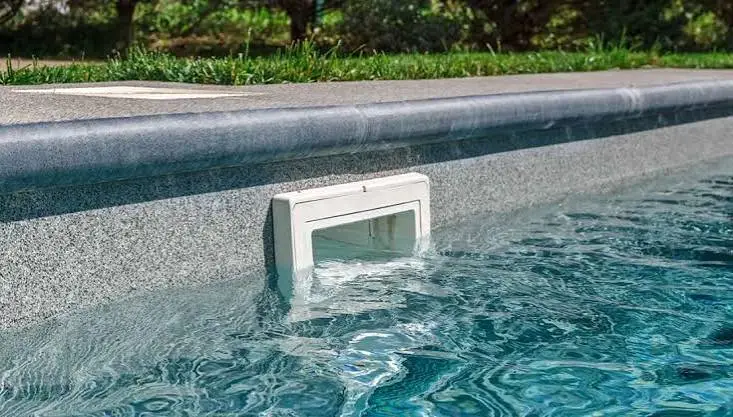
A damaged or poorly placed skimmer basket reduces filtration and adds manual cleaning work. It’s common to find a slow-draining skimmer that’s been ignored for years by the time we get called out. By then, the housing around it is often cracked too. We install and reposition skimmers during resurfacing, since the shell is already exposed.
Pool Lights
Pool lighting requires access to the interior shell for proper installation. Since the wiring is already exposed during resurfacing, upgrading to LED fixtures at this stage adds minimal labor compared to a standalone lighting job later.
Waterline Tile
Waterline tile protects the plaster edge from staining and calcium buildup, and it’s one of the most common replacement requests during a resurfacing project. Given the water hardness in this area, waterline tile here tends to show calcium scaling faster than it would in cities with softer water.
Pool Coping
Older concrete coping in Sunset Valley tends to crack before the plaster does. Replacing coping and plaster together during the same project saves labor and avoids chipping the new finish later during a separate coping job. Pool coping work covers installation, replacement, and repair.
Pool Crack Repair
In one recent Sunset Valley project, a small crack near the skimmer housing was causing slow, hard-to-notice water loss. Repairing it before applying the new finish is a step some cheaper bids skip, and it’s one of the most common reasons a fresh finish fails within a year or two.
Pool Railings & Ladders
Anchor points get checked on every job, even when the railing itself looks fine. Corroded anchors have turned up more than once on railings that seemed solid from the surface. Loose railings create a real safety risk, so worn hardware gets replaced before it becomes a bigger issue.
Pool Finish Options for Every Backyard
Finish materials differ in durability, texture, and cost. The right choice depends on budget, how the pool gets used, and how much long-term maintenance you’re willing to take on.
White Plaster
White plaster is the most affordable finish, and it’s the one replaced most often in Sunset Valley given how many pools here still have their original coat. Average lifespan runs 7 to 10 years, often shorter here because of hard water. This option suits homeowners planning to resurface again in a decade rather than aiming for a 20-year finish.
Quartz Finish
Quartz finish blends plaster with ground quartz aggregate, adding surface strength and color options while staying mostly smooth. Quartz typically lasts 10 to 15 years, a middle option between plaster’s affordability and pebble’s durability.
Pebble Finish
Pebble finish uses natural pebble aggregate exposed at the surface, creating a textured finish that resists staining better than plaster. It commonly lasts 15 to 20 years with proper maintenance. Callback repairs on pebble finishes tend to be less frequent than on other finish types.
Pebble Tec® & Pebble Sheen®
Pebble Tec® and Pebble Sheen® are branded pebble products known for consistent quality and color retention. Pebble Sheen® uses smaller pebbles for a smoother feel, while Pebble Tec® has a coarser, more traditional texture. Families with young children asking about finish comfort often end up choosing Pebble Sheen® for that smoother underfoot texture.
Aggregate Pool Finishes
Aggregate finishes combine cement with materials like quartz, pebble, or glass beads. These usually come up when a homeowner is matching a specific color scheme already established in the backyard, like new decking or tile work.
All Tile Pools
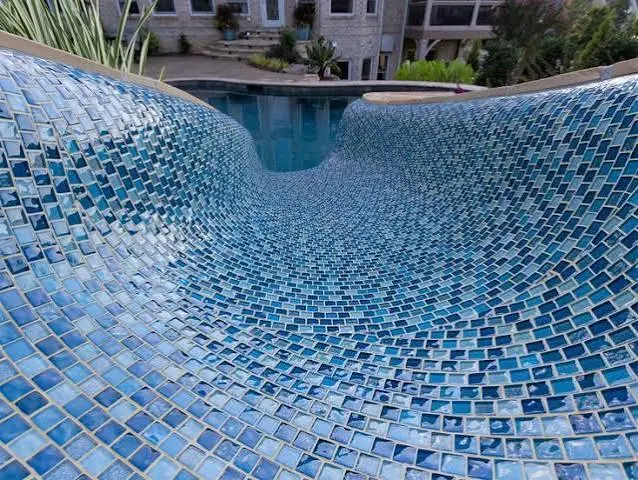
Full tile finishes use ceramic or glass tile across the entire pool surface, offering the widest range of colors and patterns along with strong resistance to staining and algae. Grout lines need more attention over time, which is worth knowing going in.
Common Signs Your Pool Needs Resurfacing
Catching surface failure early keeps repair costs down. A visual check every few months, especially heading into summer, catches most issues before they get expensive.
Surface Cracking
Surface cracks may look minor, but once water reaches the concrete shell, repairs become more expensive. Catching a crack early, before it widens, often saves homeowners a larger bill down the road.
Peeling Plaster
Peeling happens when the finish separates from the shell, often from poor original application or long-term chemical imbalance. On pools replastered without properly repairing the surface underneath first, peeling can show up within just a few years.
Rough Surface
A surface that used to be smooth but now feels rough or gritty points to plaster wear. This is often the first thing homeowners notice, since it’s felt underfoot on the steps before it’s seen anywhere else.
Plaster Flaking
Flaking breaks off in small pieces, usually near the waterline or steps, leaving sharp edges behind. This is worth addressing quickly rather than waiting, particularly in pools used often by kids.
Stains
Metal, algae, or mineral stains are common on older plaster. Some respond to chemical treatment, but stains that keep returning usually mean the plaster’s protective layer is already gone. It’s not unusual for a homeowner to have spent more on chemicals chasing a stain than a resurfacing job would have cost.
Water Loss
Water loss beyond normal evaporation, more than about a quarter inch per day, often points to a crack in the shell or a failing seal around a fitting. This one gets missed easily, since most homeowners assume it’s just evaporation until the water bill says otherwise.
Concrete Exposure
When plaster wears through completely, bare concrete becomes visible. At this stage, resurfacing isn’t optional. Continued use exposes the shell to more damage every week it’s delayed.
Surface Discoloration
Uneven color, streaking, or an overall dull shift usually comes from age, water chemistry, or a finish that wasn’t applied correctly during a past resurfacing. More than a few of these jobs turn out to be corrections of finishes installed by other contractors without properly balancing the water first.
Why Homeowners in Sunset Valley Choose Pool Resurfacing Austin Tx
Pool Resurfacing Austin Tx has worked on pools throughout the Austin area, including Sunset Valley, since 2004.
Experienced Pool Technicians
Nearly two decades of resurfacing, replastering, and remodeling projects across the Austin area is what makes it possible to catch things like a cracked skimmer housing or a corroded railing anchor before they become bigger, costlier problems.
Licensed, Bonded, Insured
Operating as a licensed, bonded, and insured pool resurfacing company protects homeowners from liability if anything goes wrong on the job site.
Clean Job Site
Resurfacing involves demolition, material removal, and application work. Keeping the job site organized throughout matters, since homeowners still need to use their yard and driveway during the project.
Respectful Team
Crews work directly on residential properties, and technicians are trained to communicate clearly, show up on schedule, and treat the property like it’s their own.
Clear Communication
Updates go out at each stage, from the initial inspection through final finish curing. Questions go directly to the technician or project lead assigned to the job, not a call center.
Timely Completion
A project timeline gets set before work starts and is followed closely. Most delays seen from other contractors trace back to poor planning or material issues that weren’t accounted for upfront.
Frequently Asked Questions About Pool Resurfacing in Sunset Valley, Texas
How long does pool resurfacing take?
Most projects take 5 to 10 days from start to finish, covering draining, surface preparation, finish application, and curing before refilling.
How much does pool resurfacing cost in Sunset Valley, Texas?
Cost depends on pool size, current surface condition, and finish type. Plaster costs less than pebble or quartz. A free inspection gives an accurate quote for your specific pool, since ballpark numbers online rarely account for the condition of the shell underneath.
How often should a pool be resurfaced?
Plaster finishes typically need resurfacing every 7 to 15 years. Pebble and quartz finishes can last 15 to 20 years. In this area, water hardness tends to push pools toward the shorter end of that range unless water chemistry is kept in check consistently.
What is the difference between plaster, quartz, and pebble finishes?
Plaster is the most affordable and smoothest option but has the shortest lifespan. Quartz adds strength and color variety at a moderate cost. Pebble finishes cost more upfront but last longer and resist staining better, which is part of why pebble jobs see fewer repeat calls.
Is a permit required for pool resurfacing in Sunset Valley?
It depends on the scope of work. Standard resurfacing often doesn’t require a permit, but structural repairs or equipment relocation may. This gets confirmed with the local municipality before starting, so there are no delays mid-project.
Can you repair pool cracks during resurfacing?
Yes. Crack repair happens before the new finish goes on, whether it’s a minor surface crack or a structural one identified during inspection. Skipping this step is a shortcut some contractors take, and it usually shows up again within a year or two.